









 TR
TR  EN
EN  AR
AR 
Mini gastric bypass is one of the surgical procedures applied to patients with excessive weight problems. In other words, it can be considered one of the treatment options for obesity. This method, which is frequently preferred in obesity treatment, aims to ensure controlled and healthy weight loss. It should be noted that this treatment option can also be evaluated to prevent certain diseases that may arise from being overweight.
As is known, excess weight can lead to various diseases. One of these is type 2 diabetes. Individuals with type 2 diabetes can benefit from the mini gastric bypass procedure. In this way, it becomes possible to get rid of excess weight in a controlled manner. Because patients consume less food during the day, a slow but healthy weight loss process begins. It should also be noted that it is one of the most ideal alternatives to gastric sleeve surgery. This operation may be preferred for individuals who cannot or do not want to undergo gastric sleeve surgery for any reason.
We will discuss the risks of mini gastric bypass surgery and how weight loss occurs. However, first, it is useful to clarify how the procedure is performed.
History
It was published in 2001 by Robert Rutledge with 1,272 cases and was developed as an alternative to other gastric bypass procedures. Over time, it became one of the most commonly performed surgeries worldwide due to its higher effectiveness and lower complication rates.
Who Is Suitable for Mini Gastric Bypass?

Not all obesity treatment options are suitable for every patient, and this also applies to mini gastric bypass surgery. It should be stated that not everyone can benefit from this procedure. Certain criteria are evaluated to determine whether patients are suitable candidates for the operation. These criteria include:
- Age
- Body mass index
- Presence of metabolic diseases
- Presence of reflux
- Presence of hiatal hernia
- Condition of the small intestine
It should also be noted that other existing medical conditions are taken into account. The patient’s age, height, and weight ratio are among the most important factors in determining suitability for mini gastric bypass. In cases diagnosed with morbid obesity, this operation can be performed if the patient meets the criteria.
How Is Mini Gastric Bypass Surgery Performed?
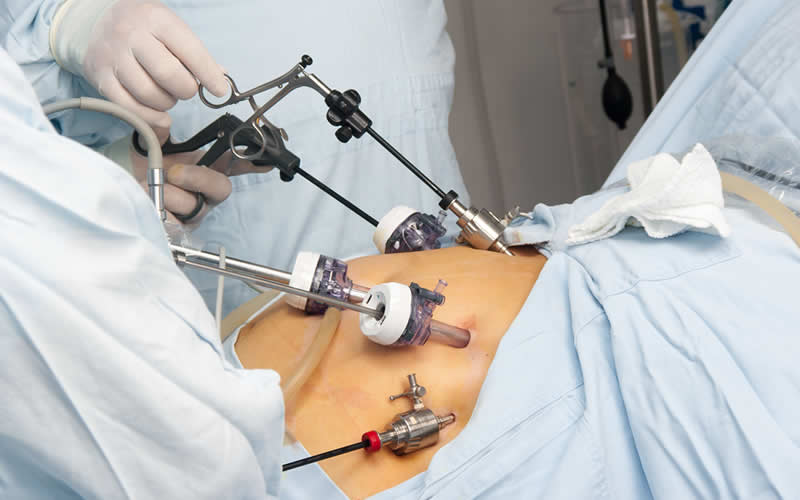
First of all, it should not be forgotten that mini gastric bypass must be performed by an experienced surgeon. During the surgery, an incision is made along the line in the middle of the stomach, and it is aimed to leave approximately 200 cc of stomach tissue. With this incision performed using a 1.2 cm bougie, the stomach is essentially divided into two parts. The remaining stomach tissue becomes inactive but does not completely lose its function. This section can still perform hormone secretion. A connection is then made from approximately 200 cm beyond the beginning of the intestine to the lower part of the stomach.
In this procedure, it is important to calculate the small intestine as approximately 6 meters in length. It should also be noted that mini gastric bypass involves a single anastomosis. Compared to the RYGB technique, this operation is surgically easier. It should also be remembered that the patient must follow a healthy and proper nutrition process after the operation to prevent weight regain.
The mini gastric bypass procedure is performed under general anesthesia, and patients may experience mild pain after surgery. This is considered normal and does not last long. If the patient strictly follows the recommended diet, no issues are expected during the recovery period.
What Are the Costs of Mini Gastric Bypass?
Questions such as the cost of mini gastric bypass are frequently asked. However, it would not be appropriate to provide a fixed price. In general, certain evaluations must be carried out, and the patient’s suitability for surgery must be carefully assessed. After that, a clear price can be provided.
How Is Weight Lost with Mini Gastric Bypass?
After the mini gastric bypass procedure, patients can lose more than half of their excess weight. In fact, if they strictly follow their diet, engage in regular exercise, and adopt a healthier lifestyle, it is possible to eliminate up to 100% of excess weight. The weight loss process begins after surgery and becomes easier due to consuming lower-calorie, healthier foods and reaching satiety more quickly. However, if patients do not change their eating habits or lifestyle, weight loss may not be achieved.
What Are the Risks of Mini Gastric Bypass Surgery?
There are various risks associated with obesity surgery, and mini gastric bypass also carries certain risks. As explained above, although a portion of the stomach becomes inactive, it is not removed and remains in the body. Possible risks associated with the surgery can be summarized as follows:
- Bile reflux may occur
- Risk of gastric ulcers
- Dumping syndrome may develop
- Infection may occur
- Risks related to anesthesia may arise
Of course, various precautions are taken to minimize these risks. For example, carbohydrate-containing foods may be limited in the diet to prevent dumping syndrome. With such measures, the likelihood of risks can be reduced to a minimum.
How Should Nutrition Be After Mini Gastric Bypass?

The most important factor for patients to lose weight after mini gastric bypass is following an appropriate nutrition program. This program must be tailored specifically to the patient. A diet plan agreed upon by both the surgeon and the dietitian is prepared for the patient. This plan aims to promote weight loss and prevent weight regain. Transition to solid foods should be gradual after the operation. It is important that this transition occurs slowly. Patients should initially follow a liquid diet.
The stomach needs time to adapt to this new dietary pattern. It should not be forgotten that there are sutures between the stomach and intestines, which must be protected during the healing process. The time required to return to a normal diet varies depending on the patient’s condition. Additionally, the postoperative nutrition plan aims to preserve muscle mass. Options such as protein supplements and multivitamins may be considered to minimize muscle loss, as it is not desirable for patients to experience vitamin and mineral deficiencies after surgery.
What Should Be Considered After Mini Gastric Bypass?
Each patient is thoroughly informed about the postoperative process after mini gastric bypass . This ensures that patients know what to expect. Postoperative check-ups should never be neglected, allowing the recovery process to be monitored by the doctor. It is important for patients to follow the doctor’s recommendations and warnings carefully. Adopting an active lifestyle and engaging in regular exercise is also essential. However, exercise should not begin immediately; instead, patients should start with light activities. Most of the weight loss occurs within the first year after surgery. You can write all your questions about the procedure in the comments section.
For detailed information, you can contact us:
Landline: 0212 230 20 08
Mobile Phone: 0505 120 82 62
