









 TR
TR  EN
EN  AR
AR 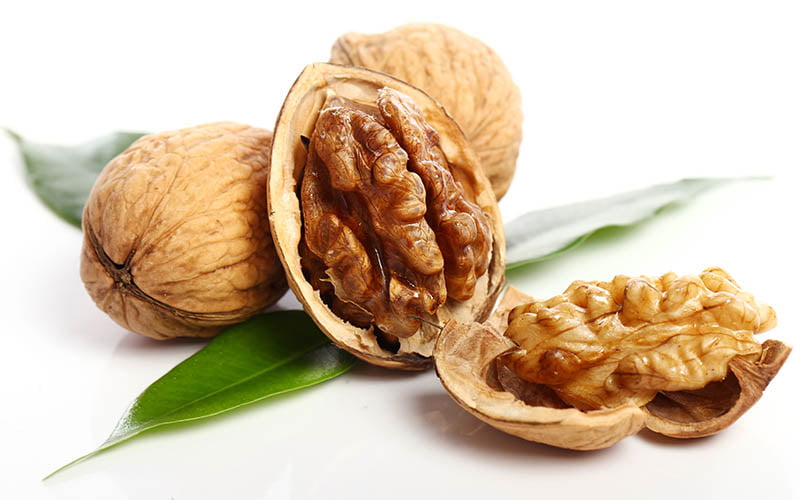
The benefits of walnuts, which are very easy to add to the daily diet due to their easy accessibility, long shelf life, and the ability to be added to foods in different ways, are endless.
Full of rich components such as vitamins and minerals, walnuts have many health benefits. Walnuts, which are an easy food to grow, are also one of the foods that can be stored for a long time as they do not experience situations like spoilage.
Walnuts, which are a food frequently preferred as a snack, play a role in important issues such as brain and heart health.
Which Fatty Acids Does Walnut Contain?

Walnuts are especially effective on brain and heart health. They also contribute to lowering cholesterol. 2 whole walnuts are considered 1 fat exchange and contain 45 calories.
One of the most important points that makes walnuts healthy is the type of fat they contain. Walnuts contain a significant amount of omega-3 fatty acids. Omega-3 fatty acids are in the group of polyunsaturated fatty acids. Omega-3 fatty acids are essential fatty acids.
There are three types of omega-3. These are EPA (Eicosapentaenoic Acid) and DHA (Docosahexaenoic Acid), which are abundant in fish and seafood, and ALA (Alpha-Linolenic Acid), which is found in oily plant foods such as walnuts.
What are the Benefits of Omega-3?
- Helps regulate blood triglyceride levels.
- Shows a protective effect against cancer. It is especially effective on breast, colon, and prostate cancer.
- Effective against fatty liver.
- It has been observed that when consumed regularly, it reduces symptoms of depression and anxiety.
- It has pain-reducing properties. It is especially effective on menstrual pain.
- Effective on attention deficit and hyperactivity.
- Important for baby development during pregnancy.
- Has positive effects on dementia and Alzheimer’s. Strengthens memory.
- Regulates blood pressure. Therefore, it is a heart-friendly fat.
- In terms of other vitamins and minerals in walnuts; it is rich in folic acid, vitamin E, iron, phosphorus, magnesium, potassium, and zinc.
- The human health benefits of walnuts include positive effects on cardiovascular health thanks to the omega-3 they contain.
- Since it contains a high amount of fiber, it ensures the regular functioning of the digestive system. It also helps weight loss by giving a feeling of fullness.
- Effective on intestinal health; prevents constipation.
- Helps in expelling toxic substances from the body.
- Strengthens the immune system.
- Effective on bone and tooth health.
How Many Walnuts Should Be Consumed Per Day?
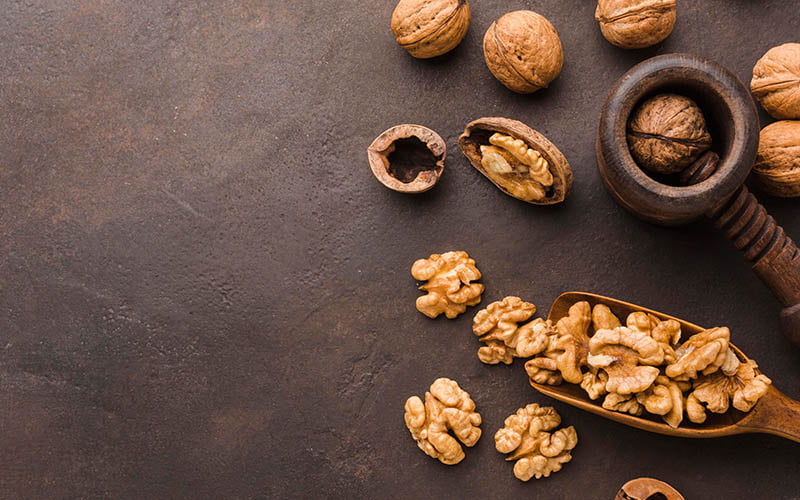
Even though walnuts are in the healthy fat group, caution is needed; since excessive consumption may cause weight gain, it is necessary to pay attention to the amount.
Consuming 3-4 walnuts a day meets a significant part of the daily omega-3 requirement.
In cachectic cases such as anorexia and cancer, walnuts can be consumed. Since its volume is small and its energy is high, it will be easy to consume without bothering the stomach, and it will provide energy by giving a feeling of fullness.
Walnut is a fat exchange food. Therefore, it is beneficial to consume it in a controlled manner. You can provide balance by consuming 2 whole walnuts instead of the 4-5 olives you consume at breakfast.
You can diversify walnut consumption by adding walnuts to your salads instead of liquid oil, consuming them with fruit in your snacks, and using them instead of fat in your healthy recipes.
Effects of Walnuts on Cholesterol and Cardiovascular Health
Walnuts play a very important role in taking cholesterol under control; they lower LDL (bad cholesterol) by raising HDL.
It has been revealed that it reduces LDL cholesterol (approx. 9-16%), known as bad cholesterol among the people, and blood pressure (diastolic blood pressure approx. 2-3 mm hg), which are two important risk factors in cardiovascular diseases.
In studies conducted in recent years, features such as whether the fatty acids in walnuts are unsaturated or saturated, and their essential fatty acid and cholesterol contents are emphasized.
Thanks to the omega-3 fatty acids it contains, it helps the HDL cholesterol ratio increase compared to the LDL cholesterol ratio.
Intestine-Friendly Walnut:
Prebiotics and probiotics are very important for intestinal health. There are many studies regarding the positive effects of walnuts on the intestinal microbiota.
Due to the beneficial fatty acids in its structure and the fiber in its thin skin, walnuts positively affect the development of beneficial probiotic bacteria in the intestines. With the polyphenol compounds in walnuts, they also contribute to intestinal health by showing a prebiotic effect.
In one study, it was observed that the consumption of 43 g of walnuts for 8 weeks improved intestinal health by increasing probiotic and butyric acid-producing species in the intestines.
Effects of Walnuts on Weight Loss
Walnut accelerates fat burning and shortens the weight loss process. Although it shortens your weight loss duration, it helps you lose weight in a healthy way thanks to the omega-3 fats it contains.
Since walnut is a food rich in vitamins and minerals, it will keep you strong during the weight loss process and help you protect yourself from diseases by ensuring the body is more resilient.
In addition, since walnut is a food with very high energy, it enables you to lose weight by preventing excessive calorie intake.
One of the biggest benefits of walnuts for weight loss is that they keep you full. Thanks to the fibers in it, it ensures that you do not get hungry for a long time and also helps regulate your digestive system due to these fibers.
Another point that affects weight loss among the benefits of walnuts is that it normalizes your blood sugar levels. Balanced blood sugar prevents excessive consumption by preventing sudden hunger pangs.
Nutritional Values for 100 Grams of Walnuts
| I (µg) |
CHO (g) |
Na (mg) |
Vit. A (µg) |
| 3 | 6.1 | 0 | 4 |
| F (µg) |
Protein (g) |
K (mg) |
Vit. C (mg) |
| 0 | 16.1 | 444 | 0 |
| Fe (mg) |
Fat (g) |
P (mg) |
Vit. B3 (mg) |
| 2.8 | 70.6 | 320 | 4.6 |
| Mg (mg) |
Calories (kcal) |
Ca (mg) |
Fiber (g) |
| 140 | 714.4 | 87 | 4.6 |
