









 TR
TR  EN
EN  AR
AR 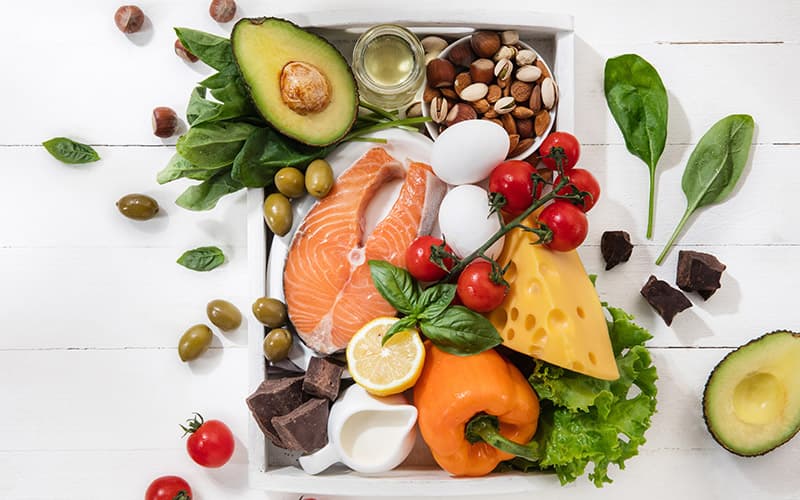
The ketogenic diet is a dietary model used for the treatment of epilepsy in the 1920s. Based on a low-carbohydrate, high-fat, and moderate-protein intake, the core of the ketogenic diet lies in consuming fewer than 50 grams of carbohydrates per day. This reduction in carbohydrates puts the body into a metabolic state called ketosis.
Individuals following a ketogenic diet must limit many of the foods they consume. Carbohydrates from all sources are significantly restricted. Many nutrient-rich foods, including fruits, vegetables, whole grains, milk, and yogurt, are also sources of carbohydrates. Therefore, while it is effective for fat burning in short-term applications, long-term applications may have effects such as vitamin and mineral loss, fiber deficiency, and disruption of intestinal health.
Why are carbohydrates restricted in a ketogenic diet?

Carbohydrates are the main energy source for our bodies. Without enough carbohydrates for energy, the body breaks down fat into ketones. Ketones then become the primary fuel source for the body. Ketones provide energy for the heart, kidneys, and other muscles. The body also uses ketones as an alternative energy source for the brain. For our bodies, the ketogenic diet is actually a partial fast. In a state of complete fasting or starvation, the body has no energy source. Thus, it breaks down lean muscle mass for fuel. With the keto diet, ketones provide an alternative energy source. Unlike a complete fast, the keto diet helps preserve lean muscle mass.
Types of ketogenic diets
- Standard ketogenic diet: This is a very low-carb, moderate-protein, and high-fat diet. It typically contains 70% fat, 20% protein, and only 10% carbs.
- Cyclical ketogenic diet: This diet is a nutritional model involving 5 days of ketogenic eating followed by 2 high-carb days.
- Targeted ketogenic diet: This is a diet model where carbohydrate intake is allowed around workouts.
- High-protein ketogenic diet: This is similar to a standard ketogenic diet but includes more protein. The ratio is often 60% fat, 35% protein, and 5% carbs.
However, only the standard and high-protein ketogenic diets have been studied extensively. Cyclical or targeted ketogenic diet models are used more by bodybuilders or athletes.
What is ketosis?
- Ketosis is a metabolic state in which your body uses fat as fuel instead of carbohydrates.
- It occurs when you significantly reduce your carbohydrate consumption, limiting your body’s supply of glucose (sugar), which is the main energy source for cells.
- Following a ketogenic diet is the most effective way to enter ketosis. By limiting carbohydrate consumption to about 20 to 50 grams per day, the gap is filled with meat, fish, eggs, nuts, and healthy fats.
- It is important to moderate protein consumption along with carbohydrates because protein can be converted into glucose when consumed in high amounts, which may slow your transition into ketosis.
- The well-known intermittent fasting method can also help you enter ketosis faster. There are many different forms of intermittent fasting, but the most common method involves limiting food intake to about 8 hours a day and fasting for the remaining 16 hours.
- There are blood, urine, and breath tests that can help you determine whether you have entered ketosis by measuring the amount of ketones produced by your body.
- Certain symptoms such as increased thirst, dry mouth, frequent urination, and decreased hunger or appetite can also indicate that you have entered ketosis.
Benefits of the ketogenic diet
- Research shows that the ketogenic diet can be as effective for weight loss as a low-fat diet. Additionally, because the diet is satiating, it can help you lose weight without counting calories or tracking your food intake.
- It also helps reduce liver volume because the liver converts fat into ketone bodies that can provide energy for the brain.
- Increased ketones, lower blood sugar levels, and improved insulin sensitivity can also play an important role.
- It can help you lose excess fat, which is closely linked to type 2 diabetes, prediabetes, and metabolic syndrome.
- The ketogenic diet is used in the treatment of neurological diseases such as epilepsy, and studies have observed that it helps reduce epileptic seizures in children.
- In short, a ketogenic diet can provide many benefits, especially in metabolic, neurological, or insulin-related diseases.
Is the Ketogenic Diet Safe?

- This eating pattern is not recommended for people with:
- Pancreatic disease
- Liver conditions
- Thyroid problems
- Eating disorders or a history of eating disorders
- Gallbladder disease or those who have had their gallbladder removed
- Additionally, there are both short-term and long-term health risks associated with the keto diet for everyone. Short-term health risks include flu-like symptoms, such as stomach upset, headache, fatigue, and dizziness. This is called the “keto flu.” Some people also report having trouble sleeping. Cutting out high-fiber vegetables, fruits, and whole grains can also increase the risk of constipation. Generally, keto dieters should take a fiber supplement by consulting a doctor to help the bowels work regularly.
- Long-term health risks of the keto diet include kidney stones, liver disease, and vitamin and mineral deficiencies. To limit carbohydrates, many nutrient-rich vegetables and fruits are cut out. Therefore, intakes of A, C, K, and folate are generally low.
- The high-fat nature of the keto diet is very controversial. A significant body of research has shown that diets high in saturated fat can increase the risk of heart disease and other chronic health problems. The risk that keto dieters may take regarding their long-term cardiovascular health has not been fully investigated.
Foods to avoid
Foods high in carbohydrates should be limited.
- Sugary foods: soda, fruit juice, sweets, cake, ice cream, candy, etc.
- Grains or starches: wheat-based products, rice, pasta, cereal, etc.
- Fruit: all fruit except small portions of berries like strawberries
- Beans or legumes: peas, kidney beans, lentils, chickpeas, etc.
- Root vegetables and tubers: potatoes, sweet potatoes, carrots, parsnips, etc.
- Low-fat or diet products: low-fat mayonnaise, salad dressings, and condiments
- Certain condiments or sauces: BBQ sauce, honey mustard, teriyaki sauce, ketchup, etc.
- Unhealthy fats: processed vegetable oils, mayonnaise, etc.
- Alcohol: beer, wine, liquor, mixed drinks
- Sugar-free diet foods: sugar-free candies, syrups, puddings, sweeteners, desserts, etc.
Allowed foods
- Meat: red meat, steak, ham, sausage, bacon, chicken, and turkey
- Fatty fish: salmon, trout, tuna, and mackerel
- Eggs: pastured or omega-3 whole eggs
- Butter and cream: grass-fed butter and heavy cream
- Cheese: unprocessed cheeses like cheddar, goat, cream, blue, or mozzarella
- Nuts and seeds: almonds, walnuts, flaxseeds, pumpkin seeds, chia seeds, etc.
- Healthy oils: extra virgin olive oil, coconut oil, and avocado oil
- Avocado: whole avocados or freshly made guacamole
- Low-carb vegetables: green vegetables, tomatoes, onions, peppers, etc.
- Condiments: salt, pepper, herbs, and spices
Menu alternatives for the ketogenic diet
Breakfast
- Boiled eggs
- Cucumber, leafy green vegetables
- Chia pudding prepared with nut milk, coconut, and blueberries/blackberries
- Omelet with avocado, spinach, and spices
- Yogurt with blueberries, cocoa, and sugar-free peanut butter
- Cheese omelet and grilled mushrooms
Lunch
- Salad with olive oil, chicken, cheese, olives, and tuna
- Yogurt over boiled broccoli
Dinner
- Baked/grilled salmon/trout/mackerel (with butter) + Green salad
- Zucchini spaghetti with minced meat
- Grilled chicken/steak + Boiled broccoli/cauliflower/zucchini
- Spinach dish with minced meat
Snacks
- Cheese
- Hazelnuts, walnuts, almonds
- Olives
- Keto-friendly snack bars
- 90% dark chocolate
- Full-fat yogurt mixed with nut butter and cocoa powder
- Strawberries and plain cottage cheese
- Beef jerky
