









 TR
TR  EN
EN  AR
AR 
Revisional bariatric surgery has become a much more frequently heard concept in recent years. “Revision” is an English word that can be explained in Turkish as “correction.” We should note that this term has actually been used by surgeons for many years. As awareness of surgical interventions performed in the field of obesity has increased, this concept has also become more widely known among the public. In past years, regardless of whether sleeve gastrectomy or bypass methods were preferred after obesity surgeries, patients began to regain weight.
While this rate was around 2% in 2011, it reached approximately 20% in 2020. Today, the need for a second surgery is much more common. Therefore, for those considering obesity surgery, it should be noted that revision also brings a challenging process. We will discuss what should be considered in revisional surgery and which issues are important in patient evaluation. However, first, let us clarify when revisional surgery in bariatric procedures is performed.
When Is Revisional Bariatric Surgery Performed?
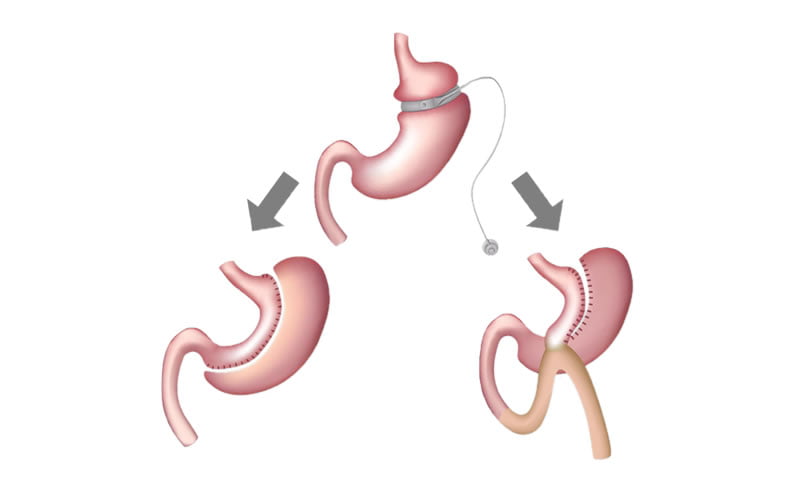
One of the most frequently asked questions by those considering obesity surgery is when a second operation is performed. First of all, it is necessary to eliminate the assumption that the initial surgery will fail. To determine whether the first surgery was successful, it is necessary to wait 18 months.
At the end of these 18 months, if 40% or more of the excess weight has been lost, the surgery is considered successful. However, if less than 40% of excess weight is lost, the surgery cannot be considered successful. At least 18 months must pass after the first surgery before planning revisional surgery.
Why Is Revisional Bariatric Surgery Needed?
For every patient without exception, the 18-month period following bariatric surgery is critically important. If there are technical issues during surgery, the patient may experience various problems with weight loss during this period. However, the issue may not only stem from technical errors made during surgery. Patient follow-up is also extremely important. There may be issues related to follow-up, and communication problems between the patient and the medical team can also prevent weight loss.
Sometimes, patients perceive the surgery as a magical solution and do not change their habits at all. In such cases, the weight loss process becomes problematic, and revisional bariatric surgery may be required. It is very important for patients to change their habits, adopt a healthier and more balanced diet, and transition to a more active lifestyle with regular exercise.
If eating habits are not changed at all, a successful outcome should not be expected. With unhealthy and unbalanced nutrition and a sedentary lifestyle, patients may not only fail to lose weight but may also begin to regain it shortly after surgery. It should never be forgotten that nutrition plays a crucial role. At this point, it is also important to emphasize the significance of dietitian supervision.
Approximately 15% of bariatric surgeries worldwide result in revisional procedures. Including those who require revision but cannot undergo surgery due to financial or personal reasons, this rate is known to reach 30%. In the early years of experience and in patients without follow-up, this rate can rise up to 50%. This rate is almost the same for sleeve gastrectomy and gastric bypass patients. Therefore, revisional surgery has gained importance worldwide alongside bariatric surgery.
How Much Weight Regain Requires Revisional Surgery?
If patients who have undergone bariatric surgery lose less than 40% of their excess weight at the end of 18 months, the surgery can be considered unsuccessful. Alternatively, revisional surgery may be considered for patients who initially lost weight but later regained it for any reason.
Which Patients Are Not Suitable for Revisional Surgery?
Patients must be carefully evaluated when considering revisional surgery. It is especially important to determine the cause of weight regain. If the weight gain is solely related to the initial surgery, revisional surgery may be successful. However, individuals with substance abuse, those who are not psychologically prepared, or patients with eating disorders (unless treated with psychological support) are not suitable candidates.
What Should Be Considered in Revisional Surgery?

Revisional bariatric surgery represents a challenging process for patients. One reason is that long-term outcomes are still not fully clear. It should also be noted that, except in certain cases, the exact reasons why patients regain weight after surgery are not fully understood, and there is no global consensus on the best course of action. First and foremost, surgery-related issues must be thoroughly investigated.
At this point, it is important to emphasize a key factor in revisional bariatric surgery. In laparoscopic (closed) surgeries, documentation is extremely important. If records of the initial surgery are available, it is possible to analyze whether there were technical errors. These errors can involve many factors.
There is still no gold standard for sleeve gastrectomy or gastric bypass procedures in bariatric surgery. For example, even the length of the sleeve used in sleeve gastrectomy varies significantly among surgeons. Therefore, the experience of the surgeon performing the procedure must be carefully evaluated. We believe that the surgeon who performed the first operation should also perform the revision.
Patient Evaluation
Patient evaluation is also a critical stage. It is essential to know whether the patient reached their ideal weight, how long they maintained it, and when they started to regain weight. The following factors can be considered as part of the standard procedure:
- Weight loss progress at 1, 3, 6, 12, and 18 months
- Patient’s BMI values
Patients are expected to lose approximately 10% of their weight in the first month after surgery. The expected weight loss varies depending on the patient’s preoperative weight, so expressing it as a percentage is more accurate. It is also important to highlight that psychological support and preoperative psychological evaluation are more significant than often assumed.
In our clinic, every patient undergoes this assessment before surgery. Each patient must feel psychologically prepared for both the operation and the postoperative process. The psychological test is important for evaluating motivation and mental readiness.
The Importance of Hormonal Balance

One of the most important factors underlying the inability to lose weight is hormonal balance. Therefore, the patient’s hormonal status must be evaluated before surgery. If hormonal imbalance is present, the patient’s ability to lose weight in a healthy manner will be compromised.
What Is the Success Rate of Revisional Surgery?
Experience is one of the most important factors in revisional surgery. The success rate is not clearly known because there are no long-term studies yet. Revisional surgery carries a higher risk of complications. This is because previous surgeries, especially gastric bypass, may involve different techniques, and there are often extensive adhesions in the abdominal cavity. Success depends on thoroughly understanding the patient’s history and acting accordingly.
What Are the Risks of Revisional Surgery?
The greatest risk is errors that may occur during surgery. Considering that complication rates can be around 20%, this is not a negligible figure. The second and most common risk is weight regain, often due to strategic errors in surgical planning. In these patients, intestinal anastomoses must be carefully measured, and their lengths accurately calculated.
Is There Alcohol Addiction? Is It Known Before Surgery?
Alcohol addiction is another factor that must be carefully evaluated. Alcohol dependency can lead to obesity, and if alcohol consumption continues after surgery, weight loss may not be effective. Additionally, one of the important considerations in revisional bariatric surgery is whether a postoperative exercise program has been planned for the patient. Patient follow-up and proper preoperative education must not be overlooked.
If a patient reaches their ideal weight after bariatric surgery and maintains it for one year, subsequent weight gain can often be controlled with dietary treatment alone. A consistent and healthy diet can prevent weight regain after surgery. At the same time, medical records and patient expectations must be carefully considered for those seeking revisional surgery.
In conclusion, revisional bariatric surgery must be approached from multiple perspectives. The need for this procedure may arise from technical errors, lack of follow-up, or failure of the patient to change lifestyle and dietary habits. Identifying the underlying cause allows for more accurate interventions. You can write all your questions about bariatric surgery and revisional procedures in the comments section.
For detailed information, you can contact us:
Landline: 0212 230 20 08
Mobile Phone: 0505 120 82 62
