









 TR
TR  EN
EN  AR
AR 
Ayran Aşı Soup is for those looking for something cold on summer days. We would like to share the recipe for this traditional soup, which is ice-cold, refreshing, and provides long-lasting satiety thanks to the legumes it contains.
How to Make Ayran Aşı Soup? (For 4 People)
What are the Ingredients for Ayran Aşı Soup?
- 1 cup of wheat
- 1 cup of chickpeas
- 250 grams of strained yogurt (Greek yogurt)
- 250 grams of yogurt
- 1 cup of water
- 1 teaspoon of salt
- Red pepper flakes, thyme, black pepper
- 1 tablespoon of olive oil
How is Ayran Aşı Soup Prepared?
- Whisk 1 cup of yogurt in a large bowl.
- Add 1.5 cups of water and the spices of your choice on top and mix.
- Add 1 cup of boiled chickpeas and 1.5 cups of boiled wheat to the mixture.
- Finally, add as much mint as you wish on top.
- Do not forget to add a little olive oil and ice on top while serving.
Bon appetit to everyone.
Let’s Examine the Ingredients
What are the Benefits of Yogurt?

Yogurt is obtained as a result of the lactic acid fermentation of milk. The bacteria “Streptococcus thermophilus” and “Lactobacillus delbrueckii subsp. bulgaricus” provide this fermentation, that is, the culturing process.
Yogurt also stands out with its rich calcium content. Calcium is the mineral that ensures bones and teeth are strong. 100 grams of yogurt can meet 15% of the calcium requirement. Calcium taken from yogurt also accelerates fat burning. Yogurt also contains potassium, phosphorus, riboflavin, iodine, zinc, and vitamins A, E, and B. This makes yogurt a strong protector against gastrointestinal disorders, bad cholesterol that leads to hypertension, and cardiovascular diseases.
Its nutritional value is high. In addition to this, as a result of its easy digestion; it has a very valuable place in human nutrition because it strengthens the immune system, regulates the digestive system, and can be easily consumed by individuals with lactose intolerance.
Let’s talk about the other benefits of yogurt; it has anticarcinogenic and antimicrobial effects. It shows probiotic properties. It is known to reduce the formation of “metabolic syndrome” risk factors, including abdominal obesity, which increases the risk of insulin resistance, dyslipidemia, increased blood pressure, diabetes, and cardiovascular disease (CVD).
What are the Benefits of Yogurt’s Green Water (Whey)?
Those with cholesterol problems can prefer low-fat yogurt; clotted cream (kaymak) should not be preferred to avoid the fat and cholesterol in yogurt. The green water of yogurt should definitely not be poured away; this water, which is a rich source of vitamins, can be mixed into soups or drunk like ayran.
By straining the yogurt water, the high amount of riboflavin contained in this water is also lost. However, riboflavin is responsible for growth, tissue regeneration, and energy metabolism.
How Much Yogurt Should Be Consumed Daily?
The amount of milk and dairy products that should be consumed varies according to age, gender, and physiological condition (growth and development period, pregnancy and lactation period, old age, etc.).
Each portion should be bowls equivalent to approximately 200 cc or, to be fully understood, about one water glass. You can consume this in a single meal or as one portion each at breakfast, lunch, and dinner. Also, do not forget that it can be consumed as a snack for those who do not like yogurt alongside their food at meals.
- 4 portions/day for children in the 1-3 age group
- 3-4 portions/day for children between the ages of 4-6
- 3 portions/day for children aged 7-9 and above
- 4 portions/day for children in the 10-18 age group
Adults should consume 3 portions, and individuals aged 65 and over should consume 4 portions of milk and dairy products daily.
What is a Probiotic?
Probiotics, a word meaning ‘for life’, are beneficial bacteria. When we are born and as babies, our intestines are healthy; especially breast milk is the best medicine for this. However, situations such as infections experienced over the years, antibiotics used, poor nutritional habits, alcohol, and stress harm the beneficial bacteria in our bodies.
They have positive effects on reducing cholesterol, skin and oral health, and weight control.
What are the Benefits of Wheat?
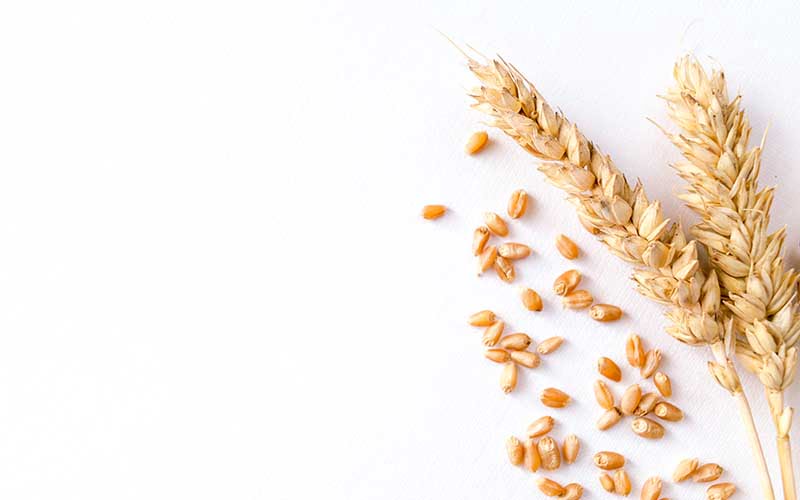
Wheat (Triticum aestivum L) is a grain product widely grown and consumed both in different countries and in our country. Wheat: It is a staple food containing protein, carbohydrates, minerals, vitamins, and dietary fiber.
The content of wheat germ includes a high rate of lecithin, essential fatty acids, and proteins, as well as minerals like zinc, manganese, and chromium. In addition to naturally containing vitamins A, B1, and D in its structure, its vitamin E ratio is also quite high.
Wheat germ, which is rich in Omega 3 and Omega 6 fatty acids, also contains Omega 9 fatty acids.
Whole wheat flour, formed by milling the bran, endosperm, and germ part of wheat, has many positive effects on health. A few of these are antidiabetic activity, prebiotic effect, bowel movement accelerating effect, and blood cholesterol-lowering effect.
What are the health benefits of fibrous foods?
Fibrous foods are necessary for the healthy functioning of the human digestive system. Today, they are also very commonly used in diets applied for weight control. While regular fiber consumption prevents excessive weight gain and constipation, it prevents the development of digestive system cancers, diabetes, and heart diseases.
It is recommended that a healthy adult consumes an average of around 25-30 grams of fiber per day. Fibers are divided into two groups as water-soluble and insoluble; while grains and legumes and some vegetables fall into the first group, some vegetables and fruits and nuts are water-insoluble fibrous foods.
How Can We Consume Wheat?
Choosing products containing wheat germ is the easiest method to include this superfood in our daily diet.
Wheat germ, which you can also obtain as an additive, can be consumed as a nutritious snack along with milk or yogurt by enriching it with fresh or dried fruits such as breakfast cereals. Likewise, wheat germ can also be used to increase the fiber ratio by sprinkling it on foods such as soup and salad.
What are the Nutritional Values of Ayran Aşı Soup for 4 People?
| CHO (g) |
Na (mg) |
I (µg) |
Vit. A (µg) |
| 136.9 | 153 | 45.8 | 171 |
| Protein (g) |
K (mg) |
F (µg) |
Vit. C (mg) |
| 51.5 | 1684 | 213 | 13.5 |
| Fat (g) |
P (mg) |
Fe (mg) |
Vit. B3 (mg) |
| 28.1 | 1173 | 14.9 | 7 |
| Calories (kcal) |
Ca (mg) |
Mg (mg) |
Fiber (g) |
| 1021.4 | 529 | 348 | 47 |
