









 TR
TR  EN
EN  AR
AR 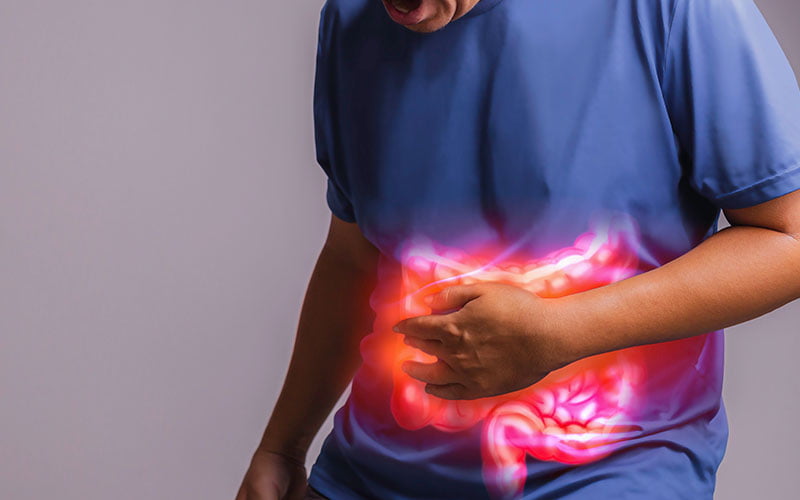
Ulcerative Colitis is an inflammatory disease that occurs in the gastrointestinal tract. Although it is seen at any age, it generally appears more frequently between the ages of 20-40. In this disease, involvement is only in the large intestine part. The frequency of ulcerative colitis disease is increasing day by day. When the etiology of the disease is examined; although the cause is not yet known, genetic factors and nutritional habits may play a role in the development of the disease. Although constipation may be seen in some patients in the initial period, diarrhea is generally observed. Diarrhea can sometimes last 10-12 days and is more severe during the day compared to the night. The feces are bloody; a bright, slippery intestinal secretion called mucus is seen in the feces along with blood. In ulcerative colitis disease, nausea, vomiting, diarrhea, fever, weight loss, anemia, food intolerance, malnutrition, and growth retardation are frequently observed.
Ulcerative colitis disease has activation and remission periods. During the activation period, symptoms such as fever, sweating, weakness, and joint pain are frequently seen in the patient. In the remission period, complications decrease. The main goal of treatment is to ensure that patients remain in the remission period.
Nutritional Treatment of Ulcerative Colitis
In addition to medical treatment, nutritional treatment should also be applied effectively to patients. The nutritional status of the patients should be evaluated, and nutritional treatment should be applied according to the stage of the disease. The main goal of medical nutritional treatment is to support medical treatment and ensure that patients enter the remission period or remain in the remission period. Because it is an inflammatory disease, energy requirement increases, and high-energy diets are recommended to prevent the protein taken from foods from being used for energy.
Along with these, dietary fiber should also be adjusted according to the period of the disease. Low-fiber diets are recommended in the remission period, and fiber-free diets are recommended in the active period. Furthermore, the application of Mediterranean-style dietary habits is important in treatment. Nutritional status is of great importance in improving the quality of life of individuals.
Recommended Nutrients for Ulcerative Colitis Patients

Carbohydrates: It is known that the total intake amount of carbohydrates, especially sugar and starch, has a triggering role in the development of IBD (Inflammatory Bowel Disease). A “fast-food” style diet containing high carbohydrates negatively affects the formation of IBD. It has been observed that the intake of refined sugar in high amounts increases the development of the disease. The consumption of acidic beverages rich in simple carbohydrates and chocolate, in particular, increases the disease risk. As in adequate and balanced nutrition recommendations, the energy coming from carbohydrates in ulcerative colitis patients should be at a rate of 55-60%, and the type of carbohydrate consumed should be from complex carbohydrates.
Fats: Increased fat consumption can trigger the formation of steatorrhea in ulcerative colitis. It is emphasized that animal-based fat, trans fat, and especially omega-6 fatty acids used in frying increase the disease risk. Vegetables and fruits consumed along with a diet rich in omega-3 and omega-9 fatty acids affect the disease positively. Diets poor in trans fatty acids and saturated fats, and rich in omega-3 and omega-9 fatty acids are recommended for ulcerative colitis patients.
Vitamins and Minerals: Many reasons such as diarrhea and absorption problems can lead to vitamin and mineral deficiencies in ulcerative colitis patients. Anemia is one of the frequently encountered problems and can generally emerge together with ulcerative colitis. Iron supplements can be recommended for ulcerative colitis patients with anemia.
Folic acid supplementation should be provided to patients undergoing sulfasalazine treatment in ulcerative colitis. Some drugs also cause folic acid deficiency. For this reason, the portions of foods rich in folic acid in the diet should be increased. Depending on the deficiency, additional folate support can also be taken.
Vitamin D deficiency, which is one of the fat-soluble vitamins, can also be encountered in ulcerative colitis patients. This situation causes a decrease in bone mineral density and the rapid development of osteoporosis. It has been observed that vitamin D supplementation reduces the inflammatory effect in patients.
Deficiencies of many micronutrients such as vitamin A, zinc, magnesium, and B group vitamins can frequently be encountered in ulcerative colitis patients. These deficiencies can be eliminated by providing adequate and balanced nutrition. In addition to this, it is recommended to provide supplements according to the patient’s biochemical findings.
Fiber: Fiber intake in the diet is a protective factor for IBD before the disease develops. The protective effect of fiber stems from its anti-inflammatory property. Fiber consumption varies according to the remission or activation period of the disease.
- A low-fiber diet is recommended during periods of moderate/severe disease activity. Foods to avoid especially are foods with high fiber content such as whole wheat products, dry legumes, fruits with peels, and nuts.
- If there is constipation during the remission period, a high-fiber diet is recommended; if there is no constipation, dietary fiber up to the patient’s requirement is recommended.
Probiotics and Prebiotics
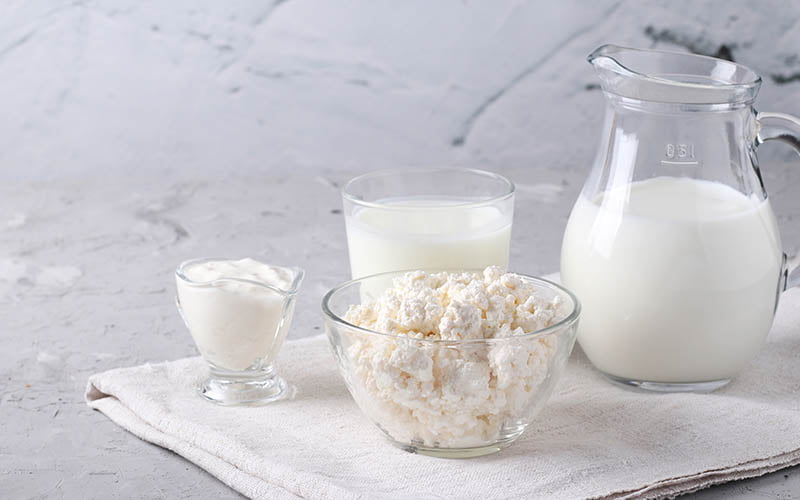
Probiotics play an important role in ensuring that ulcerative colitis patients enter the remission period and remain in the remission period. Probiotic supplementation consisting of Bifidobacterium longum, Bifidobacterium infantis, and Streptococcus thermophilus bacteria has been shown to have a positive effect on ulcerative colitis patients. Prebiotics are the food source of probiotics. Studies also show that prebiotics help ulcerative colitis patients remain in the remission period.
Nutrition Recommendations in Ulcerative Colitis
- Care should be taken not to stay hungry for a long time, and one should be fed in “smaller portions” every 3 or 4 hours according to the need. Eating small and frequent meals can be tolerated better than large meals. Therefore, the number of meals should be increased to 5-6. Taking too much food at once can cause some problems in the digestive system.
- The consumption of foods containing excessive fat, sugar, and spices should be limited. These foods contribute to inflammation in the intestines.
- Probiotic and prebiotic supplements can be used; these supplements show a protective effect in inflammatory bowel diseases.
- Recording what is eaten during the day and when digestive problems occur can help in determining food triggers.
- Foods containing alcohol and caffeine, and carbonated beverages should be avoided. Although it varies from person to person, dairy products, dry legumes, and dried fruits can also trigger complaints. These foods should be consumed by trial.
- Problems may be experienced in digesting and absorbing the nutrients taken. In this case, there may be a deficiency of some vitamins and minerals. Ensuring regular control of vitamin and mineral levels is quite important.
- Foods containing omega-3 (salmon, mackerel, walnuts, chia seeds, etc.), fresh vegetables and fruits, especially red and purple-colored ones, and some spices like turmeric also help reduce inflammation.
