









 TR
TR  EN
EN  AR
AR 
Before moving on to the subject of nutrition after sleeve gastrectomy, we need to know that sleeve gastrectomy is a surgical procedure decided according to the person’s Body Mass Index (BMI). The surgery is applied to people who have tried dieting before and failed, and the post-operative goal is to help the person gain healthy eating habits.
Although it varies according to stomach capacity, by removing 60-90% of the stomach, it is aimed to provide more satiety with much smaller amounts of food compared to the pre-operative period. A gradual nutrition program is implemented under the supervision of a dietitian after the surgery. Although it varies from person to person, after the liquid and puree nutrition periods are over, the transition to normal nutrition is made by considering the foods that can be tolerated.
First 3 Days After Surgery
While staying in the hospital after surgery, no food or liquid is given on the first day. The patient’s fluid and energy needs are provided via IV fluids. On the 2nd day following the surgery, colored water (methylene blue) will be given orally to the patient to check the leak test. If this test is negative, water intake will begin. If the patient is comfortable with water intake, patients will be discharged from the hospital without removing the drain.
First 15 Days After Surgery (Liquid Nutrition Period)

Although it varies depending on tolerance after surgery, clear liquids that can be consumed comfortably are given for the first 15 days. Preferred products in the clear liquid category include; water, milk (skimmed and lactose-free milk are preferred), light ayran and kefir, unripe fruit juice (freshly squeezed), sugar-free apple, pear, and quince compote, and strained, grain-free meat or chicken broth.
However, since these foods do not meet the protein needs of the individual, daily protein powder must be consumed in the amount determined by your dietitian. If sufficient protein is not taken, muscle loss can be seen while losing weight. This causes sagging. Additionally, protein is the most important food group that helps surgical wounds heal faster and keeps you full.
The point to be considered in nutrition after sleeve gastrectomy is the consumption of the mentioned foods every half hour. Each meal should be around 100-150 ml and should be sipped slowly.
15-30 Days After Surgery (Puree Nutrition Period)
In this period, pureed foods will be added to your diet on top of milk, ayran, and chicken/meat broth. You can benefit from vegetables with high vitamin value, excluding onions and garlic (Zucchini, carrots, broccoli, tomatoes, eggplant, celery, etc.). Potatoes, which have a high carbohydrate rate, should be consumed rarely. Pureed fruit purees without skins can be consumed as snacks (Apple, pear, banana, mango, pineapple, peach, melon, etc.). Again, during this period, daily fluid intake should be at least 1.5 liters.
The most important point to consider is that solid and liquid foods should not be consumed at the same time; a 30-minute gap should be placed between them. This is called the solid-liquid separation rule and must be applied for a lifetime.
Transition Period to Solids (1-3 Months)
In this period, it is essential to understand that the transition to normal eating should be slow. Flour-free soups are allowed. Boiled, grilled, or baked meat/chicken/fish can be consumed. However, trying every new food you try one by one is among the most important rules. You can create a transition plan from the easiest to digest to the hardest. You should stop consuming foods that upset you or cause digestive problems for a while and then try again. The most important rule in this period is to chew well.
Normal Nutrition Period (After the 3rd Month)
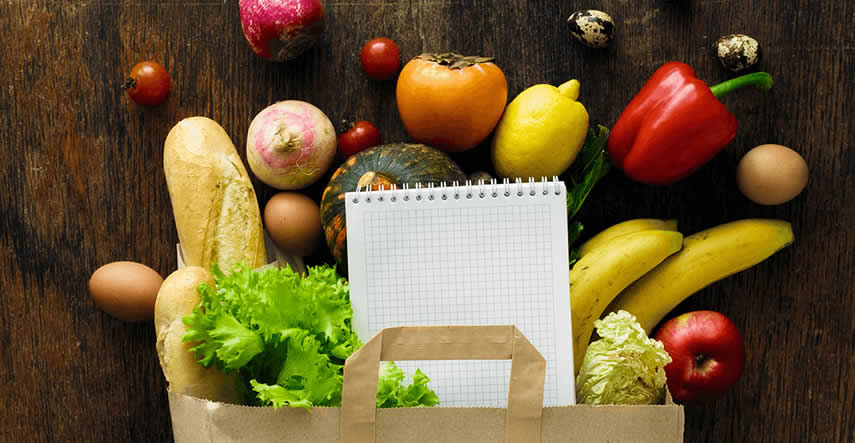
As of the 3rd month after the operation, you should continue your personalized nutrition plan by providing sufficient protein without losing contact with your dietitian. You should add every new food you have not tried to your diet by observing your tolerance. You should decide with your dietitian whether to continue your protein supplement by considering the amount of food you can consume.
Vitamin and Mineral Deficiencies After Sleeve Gastrectomy
With nutrition after sleeve gastrectomy and especially the removal of a certain part of the stomach, vitamin and mineral deficiencies may be observed. For this reason, you should check your vitamin levels with blood tests requested by your doctor at certain periods and use multi-vitamin and mineral support.
General Rules in Bariatric Nutrition
- After bariatric surgery, your new lifestyle will be shaped under the supervision of a dietitian with the nutrition programs applied post-operatively.
- One of the goals of the surgery is to reduce the amount of food you can consume thanks to your small stomach volume.
- At least 20-25 minutes should be allocated for each meal and the food should be chewed well.
- Priority should be given to a protein-rich diet, and protein supplements must be continued if necessary. It should be consumed before carbohydrates and fats.
- To provide portion control more easily, small plates, containers, and glasses can be preferred.
- While choosing the foods to be consumed, the amount should be determined according to tolerance.
- Solids and liquids should not be consumed at the same time (solid-liquid separation). Liquid consumption should be terminated half an hour before main and snack meals.
- Eating and drinking should be stopped as soon as fullness and satiety are felt.
- To support lean tissue, a protein-rich healthy nutrition program prepared specifically for you should be followed and exercise should be performed. An average of 30 minutes of aerobic physical activity should be done every day.
- It may not be possible to meet the fluid need only with water in bariatric surgery patients. Fluid intake is provided through milk, ayran, soup, compote, and even small amounts of solid foods that you support in snacks.
- At least 1.5 liters of water should be consumed daily. It should not be forgotten that liquids such as tea, coffee, ayran, and soup consumed during the day do not replace water.
- It should be remembered that too much fruit, fruit juice, sugar, sugary drinks, and foods containing starch will cause dumping syndrome (shaking, dizziness, sweating, etc.) and prevent weight loss in the long run.
- You should stay away from soda, mineral water, carbonated, and alcoholic beverages. Consult your dietitian for alcohol intake after 6 months.
- Please allow 25-30 minutes for main meals and 15 minutes for snacks. When you take solid foods into your mouth, you should chew at least 25-30 times before swallowing.
- Observe your tolerance for every new food you start, and if you cannot tolerate it, take a break from consuming it for a while.
- Carefully read the label information for all packaged products you buy. Prefer products with low sugar, fat, and salt content.
- The first year after surgery is the honeymoon period and weight loss occurs even if you do not follow the rules; however, to achieve successful and healthy weight loss and to prevent weight regain, you should establish healthy eating habits in your life within the first year and make it a lifestyle.
Weight Loss After Sleeve Gastrectomy
As in every diet process, the weight lost after sleeve gastrectomy varies depending on the person’s starting weight, height, gender, physical activity, and genetic structure. The higher the starting weight of the person, the more weight they will lose at the same rate. Therefore, individuals should not compare themselves with other individuals who have had surgery.
Generally speaking, 10% of the starting weight is lost in the first month after sleeve gastrectomy. Following this, although it varies depending on the parameters we mentioned, a loss of 40-45 kg is observed in 1 year.
It should not be forgotten that sleeve gastrectomy or any other method is not a magic wand. Especially in the first year, it is necessary to receive healthy nutrition education with a dietitian and to establish these nutritional habits in your life and make them a lifestyle. Otherwise, problems such as weight regain may occur in the future.
