









 TR
TR  EN
EN  AR
AR 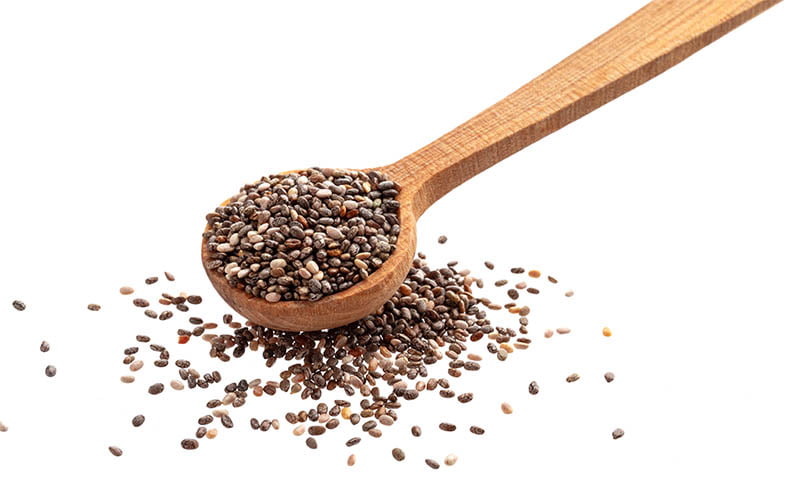
Chia seeds, which were the most important food source of the Aztecs with their rich protein, fat, and fiber content, are the seeds of a type of sage (Salvia hispanica) that grows in the soils of Mexico and Guatemala. They contain the highest rate of omega-3 fatty acids among all plants, including flaxseed.
The reason chia seeds are so beneficial is that they are rich in fiber, omega-3 fats, protein, vitamins, and minerals. They are a beneficial source of plant protein and provide a range of amino acids, especially for vegetarian and vegan diets. Due to its structure consisting of a combination of fat, protein, and fiber, it is digested slowly. This means it provides a long and slow release of energy to keep blood sugar levels balanced.
The polysaccharide structure on the outer shell of the chia seed forms mucilage when combined with water. In fact, this structure is intended to protect the seed and offers us that well-known gelling property of chia seeds. The gelling and swelling property is a good advantage for those who are dieting and want to experience a better feeling of satiety. Especially at certain times of the day when hunger is more prevalent, milk and dairy products with chia added can be a good alternative.
Thanks to its gelling property, practical puddings that do not require cooking can be made with chia, which can be added to dairy products or fruit purees. Such puddings can provide a gluten-free dairy dessert alternative, especially for individuals with celiac disease, as chia does not contain gluten.
Nutritional Properties of Chia Seeds
The amount of carbohydrates in 100 grams of chia seeds is 42.1 grams, the amount of protein is 16.5 grams, and the amount of fat is 30.7 grams. 100 grams of chia seeds provide an average of 486 kcal of energy.
Chia seeds are rich in alpha-linolenic acid (one of the essential fatty acids), some vitamins (vitamin B3-niacin, vitamin A), some minerals (calcium, phosphorus, magnesium, potassium), and dietary fiber. In addition, chia extract is a strong source of antioxidants, with a total phenolic content of 8.8% in dry matter.
Health-protective effects, antioxidant power, rich nutrient content, and fatty acids play a major role in the acceptance of chia seeds as a popular functional food. In addition, chia seeds do not contain gluten and are therefore a food that celiac patients can easily consume.
Content of 100 Grams of Chia Seeds
- Energy: 486 calories
- Carbohydrates: 42.12 g
- Dietary fiber: 34.4 g
- Fat: 30.74 g
- Protein: 16.54 g
- Thiamine (Vitamin B1) (54%): 0.62 mg
- Niacin (59%): 8.83 mg
- Calcium (63%): 631 mg
- Iron (59%): 7.72 mg
- Magnesium (94%): 335 mg
- Phosphorus (123%): 860 mg
- Zinc: (48%)
Do Chia Seeds Cause Weight Loss?

Chia seeds can support weight loss thanks to their high fiber and protein content. Some studies show that consuming chia seeds increases satiety. However, some studies show that it has no effect on body weight. Chia seed is certainly not a miracle food for losing weight. Losing weight is a situation that can be achieved with nutritional and lifestyle changes.
However, thanks to the fiber content of chia seeds, providing a feeling of satiety and supporting the regular functioning of our intestines makes it usable for weight loss under expert control.
It is also useful to remember that too much of anything is harmful. Consuming a maximum of two tablespoons of chia seeds per day will be sufficient. Two tablespoons of chia seeds are around 137 kcal, and the amount of consumption in diet programs varies from person to person.
Effects of Chia Seeds on Health
-
Effect on Appetite and Satiety
In recent years, with the increase in obesity and obesity-related diseases, research on nutritional strategies aimed at preventing excessive energy intake has increased. Since drug treatments are either ineffective or show negative side effects, the focus of scientists has turned to natural dietary components that have a potential effect on appetite and satiety.
Various studies have reported that specific foods with more fiber content can increase satiety and reduce food intake.
There is no significant scientific study supporting that eating chia seeds directly leads to weight loss. However, thanks to its high fiber and protein content and at the same time its water-holding capacity, it contributes to long-lasting satiety. This is linked to you eating less and taking in fewer calories. However, it should not be forgotten that neither chia seeds nor any other food will have a direct effect on losing weight.
Thanks to its gelling structure, chia expands in the stomach after entering and allows you to feel full for a longer time. This shows that it can help reduce the feeling of hunger and suppress the appetite.
Adding chia seeds to your daily diet can be a healthy and delicious way to get rid of stubborn weight. Chia, which is also a source of plant protein, is a great alternative for those who want to burn fat, protect muscles, and manage appetite and hunger crises.
Scientific research shows that increasing the amount of daily protein intake can support weight loss by reducing food cravings and calorie intake. Frequently consuming a good source of plant protein like chia seeds can also reduce levels of the “ghrelin hormone,” also known as the hunger hormone.
-
Effect on Cardiovascular Health
Chia seeds can show a preventive effect against cardiovascular diseases thanks to the fiber and plant-based fat they contain. As a plant-based fat source, chia seeds are rich in ALA.
An increase in the intake of saturated fatty acids and a decrease in the intake of polyunsaturated fatty acids increase the risk of cardiovascular diseases. Chia seeds contain significant amounts of polyunsaturated fatty acids (PUFA). As one of the best plant sources of omega-3 fatty acids (alpha-linolenic acid), chia can have a positive effect on cardiovascular health by affecting blood triglycerides and cholesterol levels.
In a study investigating the positive effect of chia seeds on blood pressure, type 2 diabetic individuals were made to consume 37 g of ground chia seeds and oat bran daily, and at the end of 12 weeks, a decrease in systolic blood pressure was observed in those who consumed chia seeds.
In another study, hypertensive individuals were made to consume 35 grams of chia flour daily for 12 weeks, and a decrease in their blood pressure was observed.
Furthermore, implementing a diet with adequate fiber content can have a blood lipid-reducing effect, especially on bad cholesterol (LDL). It is thought that having a balanced cholesterol level and other blood lipids is important for cardiovascular health.
It should not be forgotten that although chia seeds can be seen as a beneficial food for cardiovascular health, healthy nutrition and lifestyle changes are essential for holistic health.
-
Effect on the Digestive System
28 grams of chia seeds contain 11 grams of fiber. The fiber it contains is what we call insoluble fiber, which is fiber that does not dissolve and is excreted from the body without undergoing a change. It adds bulk to the stool and is effective in reducing constipation. The amount of fiber men should take daily is 38 g, and the amount of fiber women should take daily is 25 g. Adequate fiber intake facilitates bowel movements and can help prevent the development of diseases such as hemorrhoids.
The high fiber content of chia seeds also results in a low glycemic index. This means it can support blood sugar control. Chia seeds mostly contain insoluble fiber. Two tablespoons of chia seeds meet 1/3 of the daily fiber requirement.
It is thought that chia seeds may be beneficial for our intestinal health as they are rich in fiber.
The soluble and insoluble fiber in chia seeds can increase nutrient absorption, reduce cholesterol, and aid bowel movement, which can help prevent constipation and boost your overall health.
Since chia seeds support your digestive health, they help you get rid of toxins naturally. Their anti-inflammatory properties allow them to prevent and repair damage occurring at the cellular level.
How to Use Chia Seeds?

It is recommended that daily consumption of chia seeds should not exceed 48 grams. If you are allergic to one or more of mustard, sesame, or thyme, there is a possibility that you are also allergic to chia seeds. If you are going to consume it for the first time, it is beneficial to consume it in a controlled manner and little by little.
One of the most curious topics regarding chia seeds is the question of how to use chia seeds. Chia seeds can be added to all kinds of food and beverages. Most frequently, they can be sprinkled on cereal, sauces, vegetables, yogurt, or mixed into drinks. They can also be used in a gelled form by mixing with water. Puddings, soups, and drinks made this way can be prepared.
Although chia seeds have become a popular product in recent years, they are a type of plant seed that has been consumed for many years. Chia seeds, which have an appearance in the form of small black dots, are preferred predominantly in the form of pudding. Instead of consuming sweets during snacks, you can consume Chia pudding and satisfy your sweet cravings this way.
Another answer to be given for how to use chia seeds is usage by soaking in liquid. You can consume the seeds in a healthy and delicious way by soaking them in milk, yogurt, or water.
As another method, you can try consuming the seeds raw. There is no harm in consuming these seeds raw, which you can use by sprinkling them on your salads and desserts. Another suggestion for the use of chia seeds is to use them by turning the seeds into powder. You can consume powdered seeds as tea, add them to meat dishes, or add them to bread dough.
Questions and Opinions About Chia Seeds
Chia, with its high fiber content, helps in regulating bowel movements. Therefore, constipation can be prevented.
Additionally, its high fiber content can show positive effects on regulating insulin resistance and blood glucose values.
It helps with weight loss due to its satiating property.
Since it does not contain gluten, it can be used in individuals with celiac or gluten intolerance.
Daily chia consumption for adults should not exceed 48 grams (approximately 4 tablespoons). Consumption in excessive amounts can lead to problems such as gas or indigestion, and can also cause allergic reactions.
Adding chia seeds to the diet can provide a health-improving effect by increasing omega-3 fatty acid and fiber levels.
There is no miracle food for losing weight. Some foods can accelerate weight loss for various reasons or support your weight loss, but the weight you lose without changing your nutritional habits and lifestyle will unfortunately not be permanent.
Knowing that no food alone will make you lose weight will help you proceed with the process more healthily.
