









 TR
TR  EN
EN  AR
AR 
Avocado is a creamy-textured fruit that grows in temperate climates. It is also known as “alligator pear” and “butter fruit.” While fruits normally consist of carbohydrates, avocado is a fruit composed of fats. Avocado is the fruit of the tree scientifically known as Persea americana. In our country, it is cultivated in the Mediterranean region, especially in gardens in Antalya and Alanya. Its homeland is South America, and it is a warm-climate plant.
Avocado is an evergreen plant. It grows in regions where the temperature is above approximately 30 °C and humidity does not fall below 50%. The avocado tree is a plant with crooked branches and a brittle structure, reaching a height of 6-20 meters, mostly spreading and sometimes growing vertically. Its weight is generally between 170–500 g.
What are the Benefits of Avocado?
Avocado and eye health
Avocado is the only fruit containing a significant amount of monounsaturated fatty acids (MUFA). Although it is in the fruit group, its healthy fat content is high. Antioxidants such as glutathione and lutein, which are found in higher amounts in avocado than in all other fruits, protect eye health and also reduce the risk of eye diseases that may occur in later ages.
The positive effects of avocado on high cholesterol and triglycerides
More than 3/4 of its fat content consists of oleic acid, which is one of the unsaturated fatty acids. Oleic acid is a fatty acid that reduces the level of low-density lipoprotein (LDL) cholesterol in the blood, which causes atherosclerotic heart diseases; it activates the center in the brain that creates a satiety signal, allowing us to stay full for a long time and helping us consume fewer calories. Additionally, avocado, which is a good source of potassium, provides more potassium than bananas.
Benefits of avocado for intestinal health
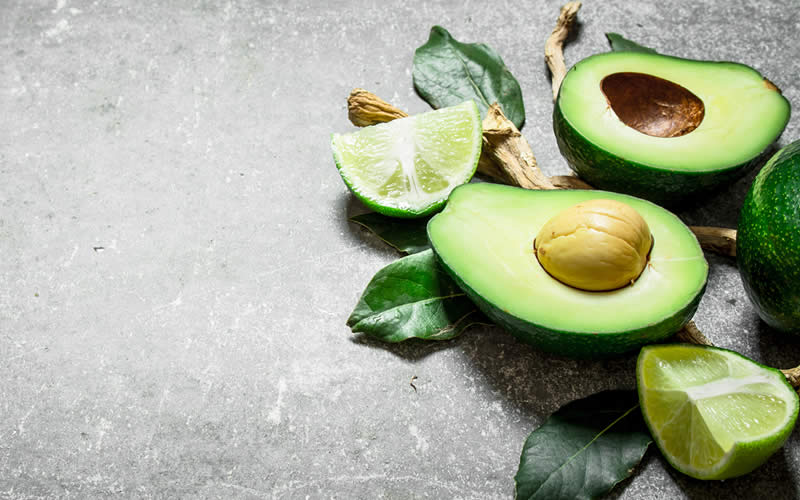
Avocado, a fruit rich in fiber, relaxes the digestive system, prevents constipation, and benefits beneficial bacteria in the intestines. 200 g of avocado contains 17.1 g of carbohydrates. About 13.5 g of the carbohydrates contained in avocado consist of fiber. The consumption of fiber-rich foods in daily diets is effective on regular bowel function, weight control, and a more balanced blood sugar. About 75% of the fibers contained in avocado are insoluble fibers. Insoluble fibers regulate bowel movements. By giving consistency to the stool, they help increase the frequency of defecation. Since adequate fiber intake also ensures the feeding of probiotic bacteria in our intestines, the consumption of high-fiber foods is important.
Benefits of avocado for cardiovascular health
- Avocado is very rich in antioxidant vitamins (vitamins A, C, and E), which play a positive role in reducing cardiovascular diseases by decreasing the oxidation of low-density lipoproteins (LDL) in the blood.
- Avocado eliminates toxic substances in the body. Thus, it plays an active role in preventing diseases by slowing down the aging process.
- According to the results of many studies, the risks of heart attack, kidney failure, and stroke are reduced with potassium consumption. In this way, blood pressure is also balanced.
- Avocado, an effective fruit in type 2 diabetes management, also contains a large amount of glutathione, which is involved in DNA synthesis and repair. It also facilitates the absorption of carotenoids necessary for the body.
Things to consider when consuming avocado
Warning: Due to its high calorie content, care should be taken not to consume it excessively. In people with sensitive and hypersensitive constitutions, it may cause some allergic problems such as itching and redness. Therefore, consumption should not be excessive.
Avocado consumption can help lower bad cholesterol levels with a cholesterol-reducing medium-fat diet. However, since avocado represents the fat group, you need to reduce the fat in the recipe where you use avocado.
Effects of avocado on appetite control
Avocado is a food high in fat and fiber content. Foods high in fat and fiber leave the stomach more slowly. At the same time, it gives a feeling of satiety for a longer time. Avocado consumption can allow us to get hungry more slowly between meals. In this way, it can help us take in fewer calories in the next meal. Additionally, it is stated to be effective on weight loss due to its positive effects on the intestines.
Use of avocado in cosmetics
In addition to the food industry, avocado is also used in the cosmetic industry due to its oil content. Avocado oil attracts a lot of attention in Italy and France. Avocado oil is also an important raw material in the cosmetic industry. Sunscreens and beauty creams, health soaps, and cosmetic shampoos are made from avocado oil. Avocado masks can be made simply even at home to beautify the skin, provide softness and vitality, and especially to restore the moisture lost by dry skins.
How to consume avocado?
Avocado is a fruit consumed in its ripe state. If you bought an unripe avocado, keeping it at room temperature next to apples or bananas for a few days will ensure its ripening. Avocado can be consumed by being made rich in terms of both taste and nutritional value with protein groups such as eggs and cheese. While you can use it alone, you can add it to your smoothies or make sugar-free desserts with avocado.
Nutritional values of avocado
- 1 large (200 g) avocado contains 17.1 g of carbohydrates. However, about 13.5 g of the carbohydrates it contains is fiber.
- 1 large (200 g) avocado contains 4 g of protein.
- 1 large (200 g) avocado contains 29.5 g of fat. About 23.4 g of the fat it contains is unsaturated fatty acids.
