









 TR
TR  EN
EN  AR
AR 
Gastric sleeve surgery is associated with dozens of questions. As obesity becomes more widespread, many people turn to this procedure. Also known as “stomach reduction” surgery, the main goal is to help the patient feel full with less food intake. In this way, weight loss occurs naturally, and by strictly following diet and exercise programs, reaching an ideal weight becomes possible.
We have compiled the most frequently asked questions, answers, and common misconceptions about sleeve gastrectomy for you. This way, you can access more accurate information and gain a better understanding of the procedure.
Will I Regain Weight After Gastric Sleeve Surgery?

In America 20%, in Europe 25%, and in Turkey 40% of patients regain weight.
There are three reasons
1. Surgery
One of the most important factors is the surgery itself. Since the procedure is personalized, the surgeon’s experience is critical. If you cannot lose the expected weight within the first year, the cause is related to the surgery. You should lose at least 40% of your excess weight in the first year.
2. Changing eating habits
This applies especially in the first two years. One of the most critical issues regarding gastric sleeve surgery is this. First of all, it should be noted that the risk of regaining weight after sleeve gastrectomy is quite low.
However, patients must eat only at designated meal times, not skip at least three meals a day, and completely avoid snacking between meals. If old eating habits are changed and high-calorie foods are avoided, weight regain will not occur. In fact, the answer depends on the patient.
Regardless of the chosen obesity treatment, if the surgery is successful, the lack of appetite in the first year makes it easier to change habits with the help of a dietitian. The patient must change eating and lifestyle habits.
Continuing old habits and leading a sedentary life will prevent weight loss and may even cause further weight gain. Follow-up is extremely important in obesity surgery. During follow-up, weight gain is monitored and diet plans are revised accordingly.
3. Patient
By the end of the second year, if the surgery was successful and you were followed by a dietitian, you should reach your ideal weight. After that, weight gain is entirely due to patient-related factors. Therefore, follow-ups should continue for at least 5 years, and patients must stay in constant contact with the clinic.
Common Misconceptions About Obesity Surgery

Unfortunately, there are many misconceptions about gastric sleeve surgery. Let’s clarify them:
- Patients stay in intensive care after surgery. (FALSE)
- Patients are not taken to intensive care unless necessary. (TRUE)
- All excess weight is lost in one month. (FALSE)
- Weight loss takes 1.5–2 years. (TRUE)
- Patients cannot get pregnant after surgery. (FALSE)
- Pregnancy is possible after 12 months. (TRUE)
- Patients can go home immediately after surgery. (FALSE)
- Hospital stay is about 3 days. (TRUE)
- Pain is unbearable after surgery. (FALSE)
- Pain is mild and manageable. (TRUE)
- Surgery takes hours. (FALSE)
- It usually takes 30–60 minutes. (TRUE)
- You cannot gain weight after surgery. (FALSE)
- Weight gain is possible if habits do not change. (TRUE)
Does Hair Loss Occur After Gastric Sleeve Surgery?
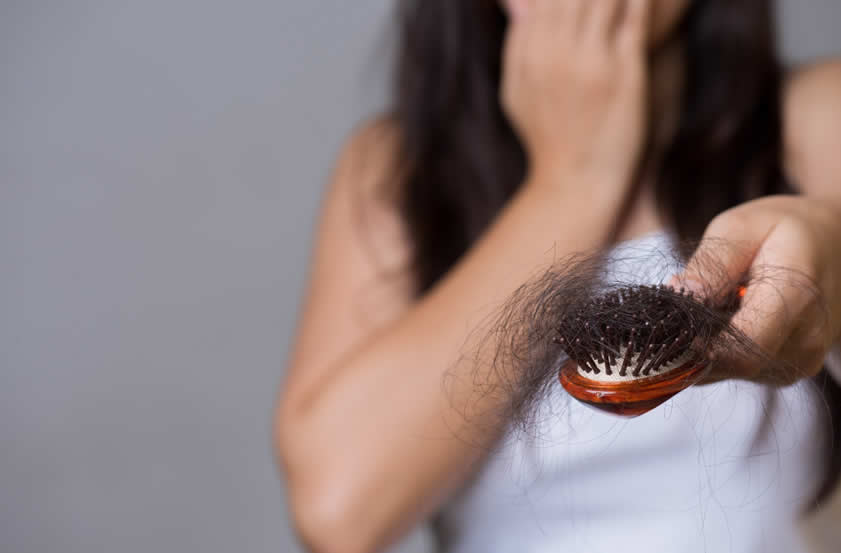
Hair loss occurs in about 10% of patients under proper dietitian follow-up and usually starts in the 3rd month and ends by the 4th month. One of the most frequently asked questions about gastric sleeve surgery is hair loss.
About 40% of patients experience hair loss after surgery. Many patients hesitate to undergo surgery due to this concern. However, the most important point is that hair loss is temporary.
Hair loss typically begins between 3 to 6 months after surgery and stops around 6 months. Proper nutrition is essential. If vitamin and mineral absorption is affected, the risk may increase.
Hair regrowth occurs between 1 to 1.5 years. If hair does not regrow, another issue should be considered. If hair loss starts after 6 months, another underlying cause should be investigated.
Protein, zinc, and iron deficiencies are common causes. Hair loss due to gastric sleeve surgery does not require treatment and is temporary.
Are Sutures Used in Gastric Sleeve Surgery?
Approximately 70–90% of the stomach is removed. A stapler device is used for cutting. Afterward, the remaining part is sutured manually using special medical sutures.
This technique minimizes the risk of leakage and bleeding. Since part of the stomach is removed, cutting and suturing are necessary.
Will I Have Pain After Surgery?

The patient does not feel pain during surgery because it is performed under anesthesia. After waking up, the procedure is already completed. Pain is usually due to gas in the stomach and intestines.
Why Should I Have Gastric Sleeve Surgery?
Excess weight is a major cause of many diseases. Obesity affects almost all organs and reduces quality of life.
The main answer to “why should I have gastric sleeve surgery” is to achieve a healthier life. The surgery helps patients lose weight and start a new life. It reduces the risk of many diseases and improves quality of life.
For more information:
Landline: 0212 230 20 08
Mobile: 0505 120 82 62
