









 TR
TR  EN
EN  AR
AR 
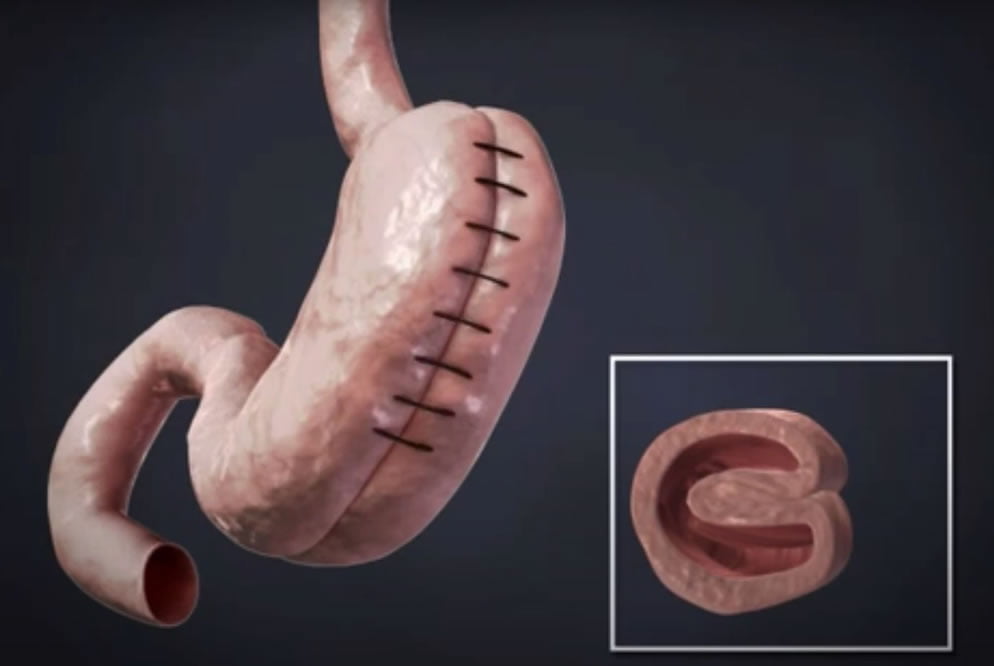
Gastric plication surgery is, in its most general definition, a procedure in which the stomach is folded onto itself. This method, which is one of the options preferred in obesity treatment, is often confused with gastric sleeve surgery. However, these two procedures are quite different from each other. In this procedure, also known as gastric plication, the stomach is folded inward.
A longitudinal gastric restriction is performed. The purpose of this narrowing of the stomach is to slow down the passage of food. We will also discuss who can benefit from gastric reduction, the cost of the procedure, and other commonly asked questions. However, first, let us take a closer look at how the surgery is performed.
How Is Gastric Plication Surgery Performed?
First of all, it should be noted that this surgery is performed under general anesthesia. Therefore, the patient does not feel any pain or discomfort during the procedure. During the operation, the stomach is folded onto itself. No incision is made in the stomach. Therefore, the secretion of the ghrelin hormone continues. At this point, it is important to emphasize how this procedure differs from gastric reduction surgery. However, there is a critical point to mention here.
Since no incision is made in the stomach, the continued secretion of ghrelin means that there may be no reduction in appetite in patients. In addition, patients who undergo gastric plication surgery often experience severe vomiting. This is one of the main reasons why this procedure has largely been abandoned in recent years and is no longer widely preferred.
Who Is Suitable for Gastric Plication Surgery?
Even during the time when this procedure was more commonly performed, it was not suitable for every patient. In order to benefit from this surgery, the body mass index needs to be relatively lower. The procedure was considered an ideal option for patients with a body mass index between 30 and 35. Additionally, the patient must not have any other health condition that would prevent surgery.
Of course, since surgery is not recommended during pregnancy and breastfeeding, the individual should not be pregnant and must have completed the postpartum breastfeeding period. However, it should be emphasized once again that although this surgery was once used in long-term obesity treatment, it is now largely abandoned due to various reasons.
What Are the Risks and Complications of Gastric Plication?
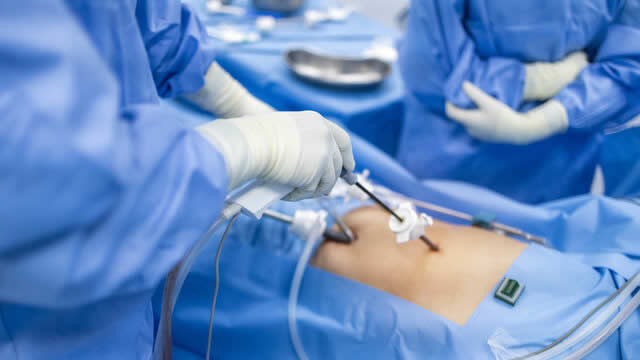
First of all, it should be noted that gastric plication surgery is usually performed laparoscopically, meaning with a minimally invasive technique. Therefore, some of the risks associated with open surgery do not apply here. During the procedure, five small incisions are made in the abdominal area. The surgery is performed by accessing the stomach through these small incisions. No large incision is made on the skin. The goal is to leave less space in the stomach for food.
Since the procedure is performed under general anesthesia, anesthesia-related risks are still present. Additionally, although minimal, there is a risk of bleeding and infection. Because the stomach volume is reduced, patients are expected to feel full with less food intake.
However, as mentioned earlier, there is no reduction in appetite. Therefore, patients may continue to consume large amounts of food as before the surgery. The lack of appetite suppression is one of the primary reasons why this procedure has been largely abandoned.
Weight loss is targeted by reducing the stomach volume by approximately 70%. However, frequent vomiting after surgery is also considered one of the complications. Another possible complication is continued weight gain. The stomach may expand again, which could require another surgery.
This is due to the lack of appetite suppression. If the patient continues to consume excessive food after the operation, the stomach may expand again. This is one of the reasons why the procedure is not widely preferred today.
What Are the Costs of Gastric Plication Surgery?
People with obesity may want to know the cost of gastric plication surgery. However, providing a fixed price may be misleading. Prices can vary depending on various factors such as the chosen surgeon and the medical equipment used during the procedure. Therefore, patients should first schedule an appointment and undergo an examination. Factors such as eating habits, medical history, and existing health conditions are evaluated together. Afterward, a surgical plan is created, and a clear price is provided.
However, there are also alternative and more effective obesity treatment methods with higher success rates. These options may offer a more comfortable recovery process for the patient. It is advisable to consult your doctor to learn about the most suitable treatment options and detailed pricing information.
What Should Be Considered After Gastric Plication?
After the surgery, it is essential to pay maximum attention to certain factors. First of all, the doctor’s recommendations and warnings regarding nutrition must be followed strictly. Patients should not continue their pre-surgery eating habits. A personalized nutrition program prepared by a dietitian must be followed. Additionally, after recovery is complete, engaging in light exercise is important. Over time, regular physical activity and adherence to the diet program can help achieve weight loss goals.
The key factor here is appetite control. Since patients do not experience a reduction in appetite after gastric plication surgery, they may struggle with controlling their appetite. Therefore, unlike other obesity surgery methods, appetite control becomes much more important and challenging. For this reason, individuals with obesity should consult an experienced specialist to determine the most suitable treatment method for their condition.
What Are the Advantages of Gastric Plication Surgery?

Overall, gastric plication surgery is not considered one of the most advantageous obesity surgery methods. One advantage is that only minimal incisions are made on the patient’s skin. Therefore, there is no large surgical scar on the abdomen. The healing process of the sutures is also relatively easy. Since only micro-incisions are made, the risk of infection is lower compared to open surgery techniques.
Mild pain may occur after the operation, but it is usually temporary. However, nausea and especially vomiting after meals are commonly observed in many patients.
Additionally, no foreign object is placed in the patient’s stomach during this procedure. Therefore, there is no risk of allergic reactions to foreign materials. As a result, there is no need for a second surgery to remove any implanted object. You can write your questions about gastric plication surgery in the comments section.
For detailed information, you can contact us:
Landline: 0212 230 20 08
Mobile Phone: 0505 120 82 62
