









 TR
TR  EN
EN  AR
AR 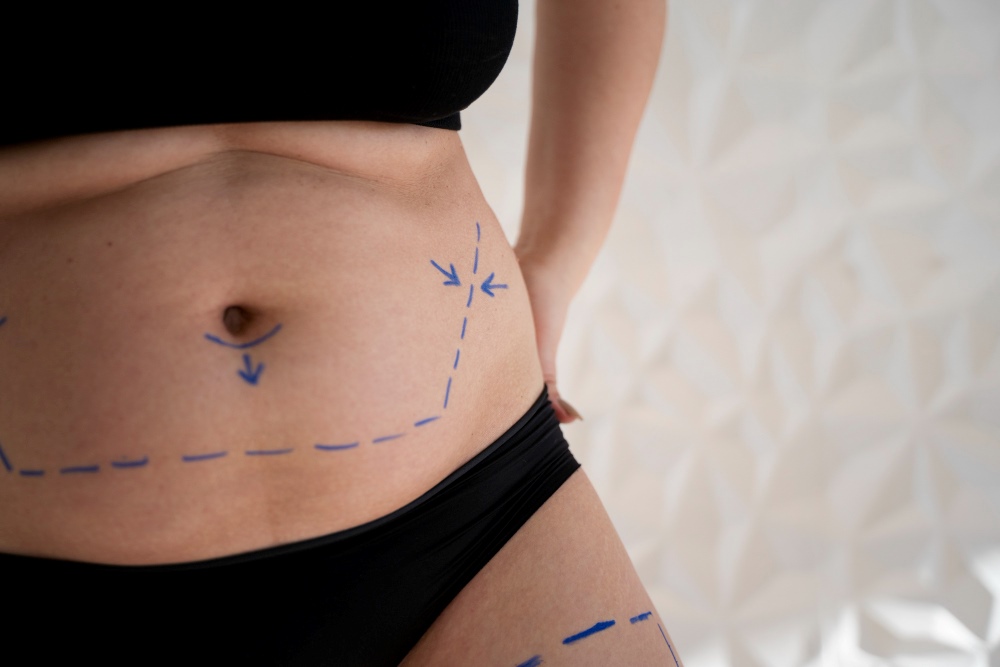
Post-bariatric plastic surgery is among the concerns of patients who want to eliminate issues such as excess skin after weight loss. Following bariatric surgery, patients lose weight rapidly, which can lead to skin sagging. Although the rate of weight loss varies from patient to patient after procedures like sleeve gastrectomy or gastric bypass, an average loss of 30–40 kg within the first 6 months is common.
After the first month, and with the doctor’s approval, patients can begin exercising. However, in some cases, exercise alone is not sufficient to prevent skin sagging. At this point, plastic procedures become a viable solution.
Which Areas Are Most Affected by Sagging After Weight Loss?
Both men and women often wonder which areas are most affected by sagging after bariatric surgery. While this depends on body structure and fat distribution, the most common areas are:
Women:
- Abdomen
- Breasts
- Inner thighs
- Arms
Men:
- Abdomen
- Chest
It is important to note that not every patient will experience sagging. Regular exercise significantly reduces the need for plastic surgery.
When Can I Have Plastic Surgery After Bariatric Surgery?
Some patients may feel eager to undergo plastic surgery shortly after bariatric procedures. However, it is important to wait until the body stabilizes and reaches an ideal weight. This typically takes between 12 and 18 months.
Common post-bariatric plastic procedures include:
- Abdominoplasty (tummy tuck)
- Back lift
- Breast lift (mastopexy)
- Neck lift
- Facelift
- Thigh lift
- Arm lift
Will There Be Scars After Surgery?
The primary goal of post-bariatric plastic surgery is to remove excess sagging skin. While some scarring is inevitable, it typically fades over time and becomes less noticeable.
What Health Problems Can Sagging Skin Cause?
Excess sagging skin can negatively impact quality of life. Common issues include:
- Skin irritation and rashes
- Hygiene difficulties
- Reduced mobility
- Difficulty wearing desired clothing
What Is the Recovery Process Like?
Recovery time varies depending on factors such as age, skin type, and the surgical area. Generally:
- Initial wound healing begins within a few days
- Full recovery takes approximately 2–3 weeks
During recovery, patients should follow doctor recommendations strictly to ensure optimal results.
