









 TR
TR  EN
EN  AR
AR 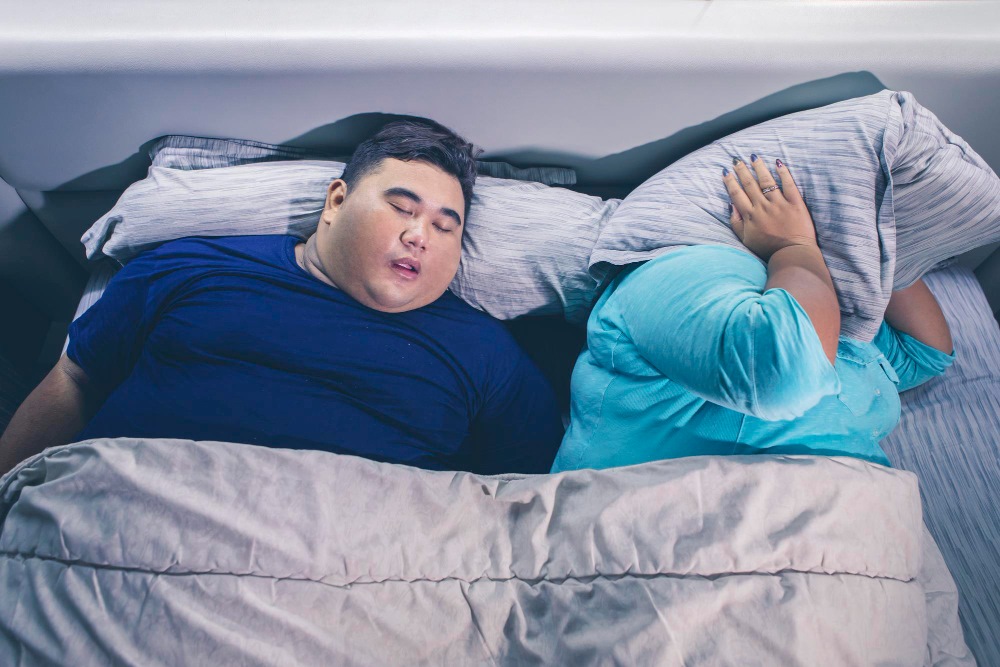
Sleep apnea is a significant health condition that develops due to repeated respiratory disturbances caused by obstructions in the upper airway during sleep and affects many body systems.
Apnea is defined as a pause in breathing lasting at least 10 seconds. Difficulty falling asleep and inadequate oxygen intake negatively affect sleep quality. Factors such as age, gender, obesity, weight gain with increased neck circumference, smoking, and alcohol use increase the risk of sleep apnea. It is most commonly seen in overweight men aged 40–65. If you are overweight, you must lose weight. Especially morbid obesity (BMI > 40) is one of the main causes of sleep apnea and negatively affects many systems, particularly hormonal balance. Individuals with a BMI over 29 have a 10 times higher risk of developing sleep apnea compared to those with normal weight.
As weight gain increases, blood pressure worsens, leading to hypertension, glucose intolerance, and further worsening of sleep apnea, creating a vicious cycle.
Obstructive Sleep Apnea and Obesity
Obstructive sleep apnea, which accounts for 80% of sleep apnea cases, is seen in 4% of men and 2% of women. After the age of 60, this rate rises to 28% in men and nearly 20% in women. It is generally observed in obese individuals, although it can also occur in people with normal weight.
Central Sleep Apnea and Obesity
This rarer type of apnea occurs when the brain does not send sufficient signals to the muscles controlling breathing. As a result, breathing decreases and obstruction occurs. It accounts for about 2% of apnea cases. Oxygen levels decrease while carbon dioxide increases. Patients experience more frequent awakenings compared to those with obstructive sleep apnea. There is limited evidence linking central sleep apnea directly to excess weight.
Mixed Sleep Apnea
This type, which includes both obstructive and central apnea, accounts for approximately 18% of cases. Initially, obstructive apnea symptoms appear, followed by central apnea symptoms.
How Is Sleep Apnea Diagnosed?

Diagnosis is made using a test called polysomnography, which records brain activity and breathing patterns throughout the night. This test monitors brain waves, eye movements, snoring, heart rate, oxygen levels, and leg movements.
Is Occasional Snoring a Sign of Sleep Apnea?
Occasional snoring alone is not sufficient for a sleep apnea diagnosis. However, persistent snoring combined with breathing interruptions during sleep may indicate sleep apnea. If symptoms continue, consulting a doctor is recommended.
Other Health Problems Caused by Sleep Apnea
Sleep apnea causes a sudden drop in blood oxygen levels, leading to increased blood pressure and strain on the cardiovascular system. Many individuals with sleep apnea also have hypertension, increasing the risk of serious conditions such as heart attack and sudden death.
Poor sleep quality can lead to daytime drowsiness, irritability, fatigue, and an increased risk of accidents. Additionally, anesthesia-related respiratory complications may occur during surgeries.
What Should Be Done Against Sleep Apnea?

- Weight loss in overweight individuals significantly reduces apnea severity.
- Alcohol, sleeping pills, and sedatives relax throat muscles and negatively affect breathing; their use should be minimized.
- Proper sleep position is important. Sleeping on the back is risky, while side or prone positions are safer.
Can Thin Individuals Develop Sleep Apnea?
Sleep apnea can occur regardless of weight due to factors such as nasal obstruction, adenoids, tonsil structure, alcohol use, and smoking. The most effective way to combat sleep apnea is incorporating physical activity into daily life.
Does Poor and Insufficient Sleep Lead to Obesity?
Research shows a direct relationship between sleep duration and eating habits. Individuals with insufficient or poor-quality sleep tend to consume more high-carbohydrate foods, and their appetite increases significantly compared to those with a regular sleep pattern.
