









 TR
TR  EN
EN  AR
AR 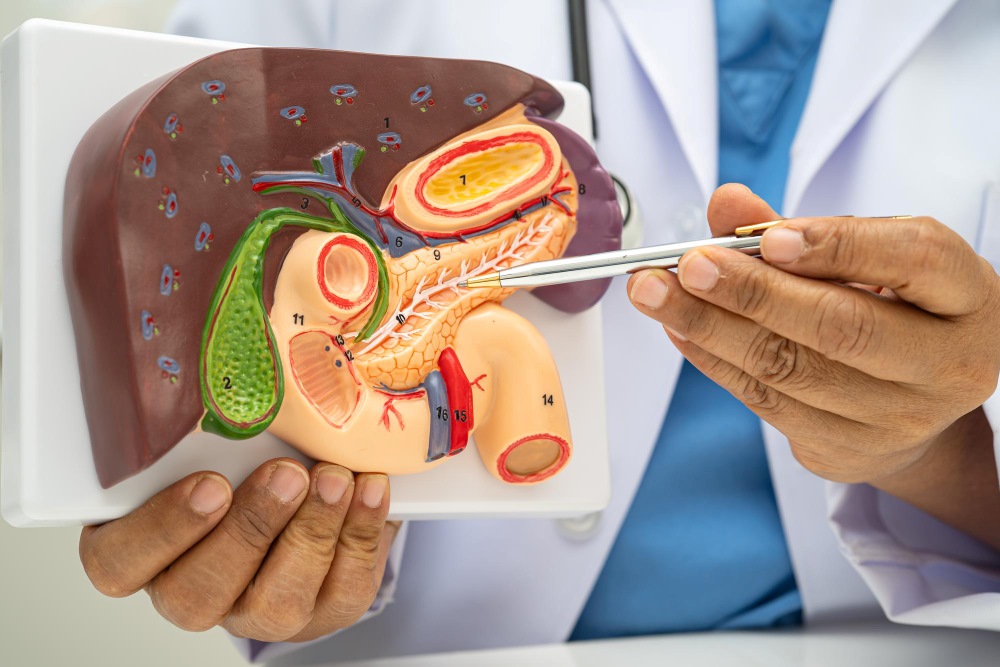
Splenomegaly is a condition that can occur due to various causes and may lead to serious consequences. The spleen, located in the upper left part of the abdomen, plays a crucial role in the body’s immune system. This sponge-like organ is positioned between the stomach and the diaphragm. Before discussing the causes, treatment options, and surgical approaches, it is helpful to understand the function of this organ.
What Is the Spleen and What Does It Do?

The spleen is an organ that performs important functions in the body. For example, during fetal development, it is responsible for producing red blood cells until the bone marrow takes over. In cases where the bone marrow cannot produce red blood cells, the spleen can resume this function.
It also filters the blood and plays an important role in the body’s defense against microorganisms by contributing to antibody production. Additionally, it produces lymphocytes, a type of white blood cell.
Abnormal or aging red blood cells are broken down in the spleen. Due to these functions, many diseases can lead to enlargement of the spleen, including metabolic disorders, blood diseases, and infections such as malaria. In some cases, removal of the spleen may be necessary, and it is possible to live without it.
Why Is Spleen Surgery Performed?
Surgery may be required when splenomegaly causes serious symptoms. However, it is generally considered a last resort. Surgeons try to preserve part of the spleen whenever possible. This surgery is called splenectomy and may also be performed in cases of trauma.
Situations requiring spleen removal include:
- Trauma
- Blood disorders such as TTP or ITP
- Leukemia
- Lymphoma
- Spleen cancer
- Bone marrow diseases
- Overactive spleen
- Metabolic diseases
- Unknown causes of spleen enlargement
How Is Spleen Surgery Performed?
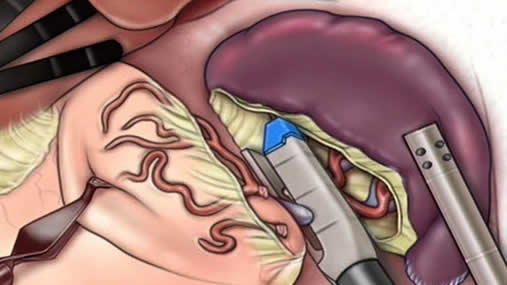
Surgery is performed under anesthesia, so the patient feels no pain. It can be done using open or laparoscopic (minimally invasive) techniques. Laparoscopic surgery offers faster recovery and greater comfort. Part or all of the spleen may be removed.
Risks of Spleen Surgery
Like all surgical procedures, there are risks such as anesthesia complications, bleeding, and infection. These risks are minimized when performed by an experienced surgeon. Postoperative antibiotics are typically used to reduce infection risk.
What Is Splenomegaly?
Splenomegaly may be detected during routine examinations or after symptom evaluation. Enlargement often results from dysfunction of the spleen. When enlarged, the spleen filters not only abnormal but also normal blood cells, leading to reduced platelet count and impaired blood circulation.
Symptoms of Splenomegaly

Common symptoms include:
- Anemia
- Persistent fatigue
- Easy bleeding
- Frequent infections
- Pain spreading from upper left abdomen to the left shoulder
- Feeling full quickly after eating small amounts
- Bloating after meals
Causes of Splenomegaly
Various factors can lead to splenomegaly:
- Viral infections
- Syphilis
- Bacterial infections
- Parasitic infections such as malaria
- Cirrhosis and liver diseases
- Hemolytic anemia
- Blood cancers
- Lymphoma
- Metabolic disorders (e.g., Gaucher, Niemann-Pick)
- Blood clots in vessels
Risk Factors for Splenomegaly

Although it can occur at any age, risk factors include:
- Mononucleosis infection
- Gaucher disease
- Niemann-Pick disease
- Inherited metabolic disorders
- Travel to or living in malaria-endemic regions
How Is Splenomegaly Treated?
Treatment focuses on the underlying cause. If caused by infection, medication may be sufficient. If no cause is identified, monitoring may be recommended. In severe cases, surgical removal of part or all of the spleen may be required.
What Happens If Splenomegaly Is Not Treated?
Untreated splenomegaly can lead to serious complications such as infection, anemia, bleeding, and spleen rupture, which may cause life-threatening internal bleeding.
What Does Splenomegaly Lead To?
Splenomegaly negatively affects the circulatory system and increases the risk of many diseases. Identifying and treating the underlying cause is essential.
