









 TR
TR  EN
EN  AR
AR 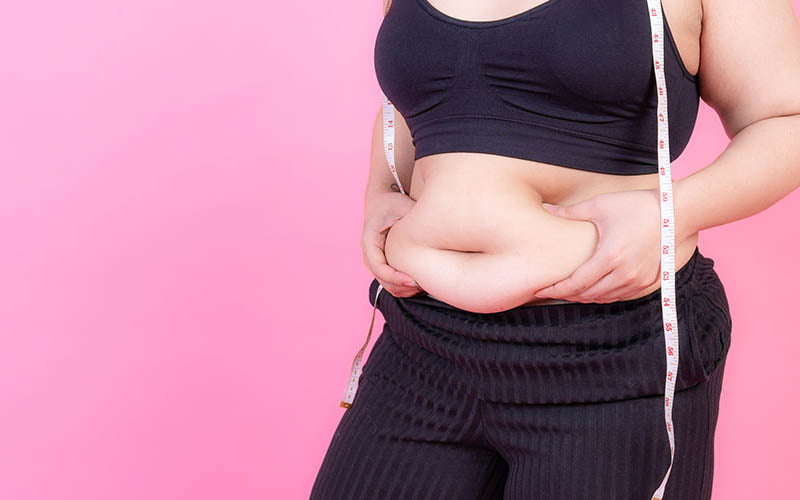
Did you know that one of the biggest mistakes made while making healthy eating a habit is weighing yourself every day? Those who weigh themselves every day with the curiosity and excitement they experience both while dieting and after obesity surgery are mistaken by the number they see on the scale and experience disappointment from time to time. Although individuals experience rapid weight loss after bariatric surgery, making the measurement in the most accurate way is the healthiest. Especially for individuals who have undergone bariatric surgery, it is very important that their weigh-ins are done correctly so that their processes continue in a healthy way.
We recommend that there be at least 1-2 weeks between weigh-ins because for there to be a difference in every 1 kilogram of fat mass, there needs to be a 7000-calorie decrease along with daily energy intake and expenditure. Such a decrease is not possible with any nutrition program or process to be done. Since we have a metabolism that is affected by everything from edema in the body to hormone balance, this change should not be thought of only as weight. One of the signs that make you feel the thinning is the decrease in your fat mass and excess edema, but it is not always possible to track this measurement accurately and reliably with home-type measuring devices, and it also causes fallacies. To prevent this, we generally recommend that your measurements be made under dietitian follow-up.
In the clinical evaluation and follow-up of obesity, your height-to-weight ratio, that is, body mass index, along with measurements such as waist circumference and hip circumference are widely used. According to the World Health Organization (WHO), the easiest and most effective indicator used in determining adiposity and regional fat in community-based studies is waist circumference measurement. If you want to track your weight loss process at home yourself after obesity surgery, our advice to you would be to measure your waist circumference weekly or monthly. This method is both more practical for you and will help you encounter more realistic results. The results in tape measure measurements highly satisfy individuals who have had obesity surgery.
So how should the correct measurement be made?

If you are having measurements taken under the control of your dietitian, what you need to do is consume light foods before going to the measurement, not consume excess liquids like water or coffee, and not wear heavy clothes. For an accurate measurement, your dietitian should measure with calibrated devices. Thanks to these devices, a detailed analysis of the fat-muscle-water balance in your body is made. In order for the measurements to be interpreted correctly by your dietitian, they need to be repeated and compared at certain intervals. Especially with the routine checks made after obesity surgery, a comparison of the weight lost with your starting weight is made in your 3rd month, 6th month, and 1st year, starting from the first month. In all of these checks, all analyses are observed again along with the body fat-muscle-water balance. In addition, your dietitian can shape the frequency of weight tracking according to you. Your dietitian plans the frequency of the number of observations.
You can also do your own tracking with tape measure measurement, which is another measurement method. The tape measure is the oldest and safest measurement method. It is possible to very easily observe how much you have slimmed down with a tape measure. Since measuring yourself can be a bit difficult, you can ask someone to measure you or you can tell your dietitian that you also want tape measure tracking. Thus, your dietitian can also record your waist-arm-hip measurements in addition to body fat-muscle-water mass.
Correct Tape Measure Measurement
Correct measurement with a tape measure involves measuring the widest part of the arm, 2 fingers above the belly button, and the widest part of the hips. Try to make sure you measure the correct area at each measurement. Remember that you will get the most accurate result when you measure yourself in the same clothes, 1 day a week, in the morning and on an empty stomach.
Finally, in the weight loss process along with the lifestyle change after bariatric surgery, you must trust your body and remind yourself that your priority is investing in your health with each new day rather than the number on the scale. After the rapid weight lost at first, you should maintain the self-confidence that comes especially after completing the 15-day liquid and 15-day puree period until you complete your weight loss journey. Also, do not forget that the biggest witnesses of your slimming process will be your clothes. You can use your old clothes as a unit of measurement for yourself. The fact that your clothes become loose and that you will need new clothes will make you happy. Since your weight loss will take about 1 year, do not be in too much of a hurry to renew your wardrobe. When you complete your process, we will be looking forward to seeing you in the clothes that suit you.
