









 TR
TR  EN
EN  AR
AR 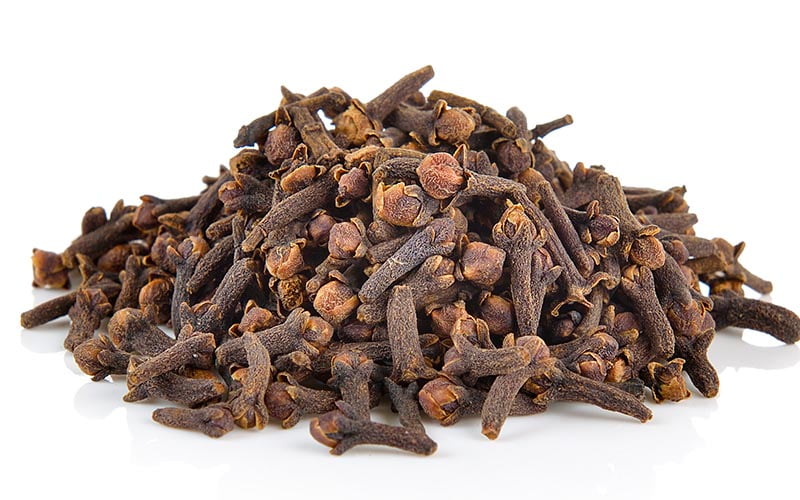
Clove, one of the 75 genera within the Myrtaceae family, belongs to the Syzygium genus and its scientific name is Syzygium aromaticum. Its cultivation has gained importance in many regions such as Brazil, India, Sri Lanka, Madagascar, and Tanzania’s Zanzibar island.
In our country, it is grown in and around the province of Antalya. Since it grows in the coastal regions of tropical countries, its leaves are broad, show reticulate venation, and remain green in all four seasons.
Clove flowers are pink in color and have a pleasant scent. After being ground, they are also used as a spice.
Collecting the flower seeds during the maturation stage before they turn green and bloom ensures that the cloves used as spices are black in color and fragrant.
Chemical Compounds in Cloves
Clove contains many phenolic compounds such as flavonoids, hydroxybenzoic acid, and hydroxycinnamic acid, and has surpassed other medicinal plants for centuries in terms of its antioxidant and antimicrobial properties.
However, research has reported that the main bioactive compounds that reveal these properties of cloves are eugenol and eugenyl acetate.
Cloves and Antioxidant Supplementation
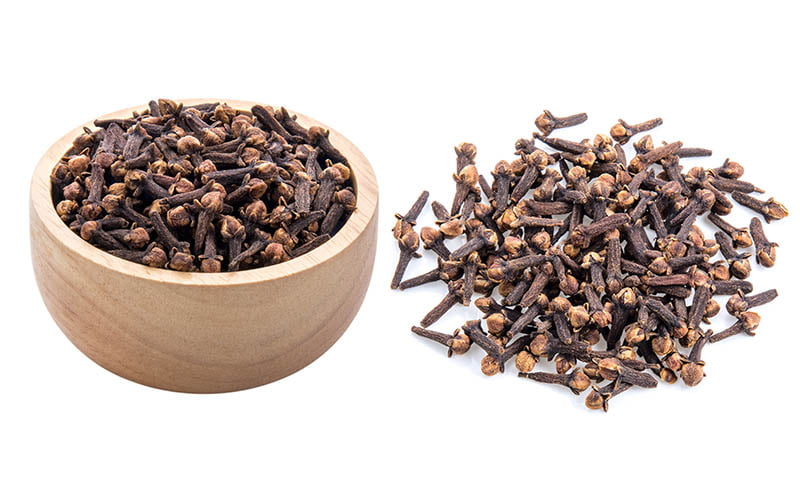
Clove takes its place at the top of the classification of 100 foods with polyphenol content by the United States Department of Agriculture. Accordingly, clove shows a significant antioxidant effect thanks to its high polyphenolic content.
According to research, it shows this effect thanks to tannins such as gallic acid, flavonol glucosides, and phenolic essential oils such as eugenol. Due to these effects, extract preparations prepared with clove buds rich in eugenol are preferred as high antioxidant support preparations.
Cloves and Antimicrobial Activity
According to an article published in the Asian Pacific Journal of Tropical Biomedicine in 2014, clove acts as a strong armor against bacteria and fungi. In fact, because of this effect, it is a plant species highly preferred in dentistry. You can consume cloves to help clear the oral flora of bad bacteria.
Cloves and Pain Relief Effect
Research says that cloves have a significant analgesic (pain-relieving) effect. As mentioned in the previous point, one of the areas where this effect is used is toothaches. Studies state that cloves can alleviate toothaches because they show a good pain-relieving effect. If you want to benefit from this effect, you can drop low-concentration (1%) clove oil on a small cotton ball and keep it on the aching tooth. You will see that this pain eases after a short time.
Cloves and the Digestive System
Did you know that cloves have a relaxing effect on the digestive system? In a study published in the International Journal of Research in Ayurveda and Pharmacy in 2011, it is stated that the consumption of cloves in lozenge form especially helps to stop nausea.
Cloves and Anti-Carcinogenic Effect
Clove oil, thanks to the valuable components it carries, has a protective effect on the body against tumors in addition to its serious antioxidant effect. Studies report that clove oil has protective properties for the body, especially against lung, skin, and digestive system cancers.
A review published in the International Journal of Pharmacy and Pharmaceutical Sciences in 2014 supports this effect of clove and states that it performs this effect especially thanks to the component called “eugenol” in its essential oil.
Caution When Using Cloves!
Contrary to popular belief, cloves offered openly outdoors unfortunately do not work much. Because cloves have essential oils, being left in the open for a long time causes their most important part, the essential oils, to evaporate. Besides, one of the adulterations unfortunately made in Turkey is the release of cloves whose essential oils have been extracted into the market.
So, how can you tell if the cloves you bought have essential oils?
Since the essential oil in cloves is denser than water, it sinks to the bottom immediately when thrown into water. Conversely, cloves whose essential oil has been extracted will float on the water. With this simple experiment, you can easily detect whether there is essential oil in the cloves you bought.
Cloves and Toxicity
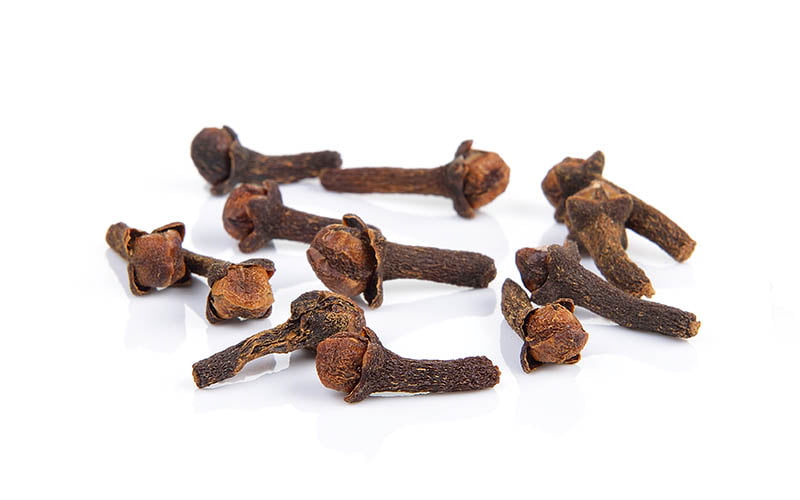
Clove essential oil is generally recognized as a safe substance when consumed in concentrations lower than 1,500 mg / kg. On the other hand, the World Health Organization (WHO) has determined that the acceptable amount of cloves consumed daily is 2.5 mg / kg by weight in humans.
Although sufficient research has not been done, it is generally said to be careful in use because the essential oil is very sharp. Accidental ingestion of large amounts can cause irritation on some people’s skin and damage mucous membranes. If used directly as clove oil, the concentration should be below 1%. Its use during pregnancy is strictly not recommended.
Still, you should act with the awareness that an excess of anything will be harmful and remember that it is important to avoid uncontrolled clove use.
It has been reported that excessive eugenol increases diarrhea and nausea effects due to its toxic effect and pro-oxidant properties, and can cause dizziness, short-term loss of consciousness, and low or high blood pressure. The World Health Organization (WHO) has stated that the use of 2.5 mg/kg of cloves daily is sufficient.
To Briefly Summarize
Cloves have many potential health benefits, such as keeping bacteria under control and helping to prevent bacterial growth. They are used:
- As a cold compress in disrupting pain transmission and numbing pain in muscle and joint pains,
- In pastes for dental infections and toothaches,
- As an antiviral in the treatment of cold sores in viral infections,
- As an insecticide in agriculture,
- In asthma and allergic ailments due to eugenol’s inhibition of histamine release,
- In skin care, acne treatment, and wound healing by benefiting from its antiseptic property,
- In complaints such as nausea and vomiting.
In world cuisines, they are often used to give aroma to pickles, jams, and desserts.
Like many healthy foods, they are most effective when used as part of a healthy and balanced diet. You can easily include ground cloves in many dishes. It will add a unique flavor to desserts and curries. You can try adding a few servings of cloves to your meals a week.
