









 TR
TR  EN
EN  AR
AR 
Before answering the question of what flaxseed is, let’s first look at the history of flax together: Flax is a plant that has been cultivated in Egypt and Asia since ancient times. The benefits of flaxseed originated especially in the Indian subcontinent. It still maintains its place even in Ayurvedic medicine, which is an ancient health system. Flaxseed is also defined as a functional food because it contains healthy fats, antioxidants, and fibers. Functional foods are defined as foods or food components that have a positive effect on an individual’s health, physical performance, or mental state in addition to their nutritional value.
Common characteristics of Functional Foods:
- They should not be in the form of medicine, capsules, or any dietary supplement,
- Their effects must be approved by the FDA,
- The nutritional components they contain should not show negative effects on health,
- They must be safe for uncontrolled consumption as part of the diet.
What Are the Benefits of Flaxseed?

- In addition to being a rich source of vitamins and minerals, just one tablespoon provides a good amount of protein, fiber, and omega-3 fatty acids.
- Flaxseed is rich in Omega-3 fats.
- If you cannot consume meat and meat products, flaxseeds can be your best source of Omega-3 fats.
- Research shows that those who eat this seed have a lower risk of breast cancer, especially in postmenopausal women.
- Just one tablespoon of flaxseed contains 3 grams of fiber; this is about 8-12% of the daily recommended intake for men and women.
- Since it contains mucilage, it provides positive results for those experiencing constipation problems.
- Additionally, because it has a high fiber content, it provides long-lasting satiety.
Does Flaxseed Protect Against Cancer?
Flaxseed contains Omega-3 fatty acids, which are a type of healthy fat. Research has shown that these fatty acids prevent the growth and development of cancer cells. Dr. Thompson, stating that ‘lignans’, a substance similar to the estrogen hormone in flaxseed oil which is also thought to be protective against lung tumors, are 75 percent higher than in other seeds, revealed that flaxseed will play an active role not only in cancer protection but also in cancer treatment. When consumed as part of the diet and lifestyle, the lignans it contains help protect against many types of cancer such as breast, prostate, uterine, and colon cancer.
How Can I Consume Flaxseed?
Due to its structure, flaxseed is suitable for use by being crushed. Otherwise, the expected effect may not be seen. If flaxseed is stored correctly and used consciously, it is an inexpensive, effective, and excellent healthy life support. Since it oxidizes very quickly and spoils easily, take care to buy it unground. Aim to consume two to three teaspoons a day.
Using excessive amounts can be harmful. Additionally, it should be consumed with plenty of water or other liquids. This is because, according to research, when this seed is not taken with sufficient fluid, it can swell and cause blockages in the digestive tract. The amount of liquid to be taken for every 10-15 grams is 150ml. Boil the resulting powdered flaxseed in water for 8-10 minutes and drink it after it cools down.
How Can I Use Flaxseed in Meals?

- You can consume it as part of your daily fluid intake.
- You can consume it by adding it to your milk or kefir.
- You can consume it as a salad dressing.
- You can consume it by mixing it with yogurt.
- You can add it to cookies, cakes, or bread you make at home.
- You can consume it by adding it to meatballs made from chicken or minced meat.
- You can add it on top of eggs and cheese for your breakfasts.
- You can add it to your granola prepared with fruits.
Nutritional Values of Flaxseed
According to the United States Department of Agriculture, one tablespoon of ground flaxseed weighing 7 g contains:
1 tablespoon (10 g): 37 Kilocalories
| Flaxseed | 100 g | 1 tablespoon (10g) |
| Carbohydrate | 0 g | 0 g |
| Protein | 28 g | 2.8 g |
| Fat | 24.4 g | 2.4 g |
| Cholesterol | 30.9 g | 3.1 g |
| Sodium | 0 mg | 0 mg |
Flaxseed derives most of its calories (77%) from fat.
Who should not use flaxseed?
- Individuals using blood thinners and anti-inflammatory drugs (warfarin or aspirin)
- Individuals using non-steroidal anti-inflammatory drugs
- Individuals using cholesterol-lowering drugs
- Individuals planning pregnancy, pregnant, and breastfeeding individuals
- Individuals allergic to flaxseed
- Individuals undergoing cancer treatment
What Are the Side Effects of Flaxseed?
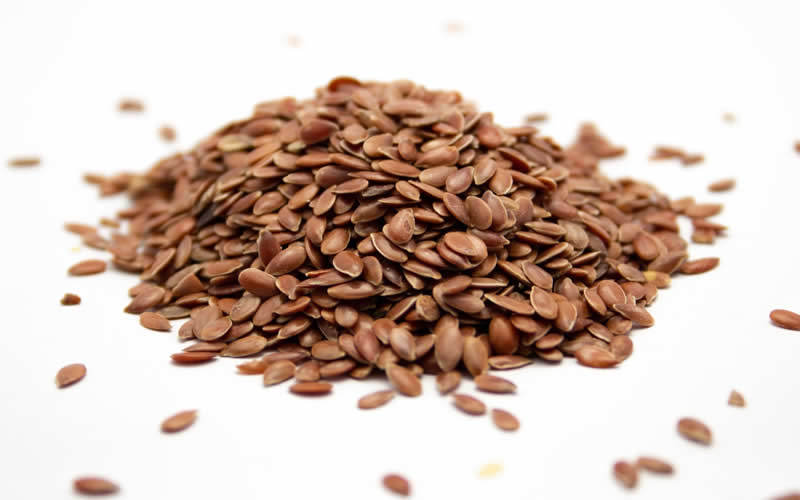
Since flaxseed can lower blood sugar levels, individuals using diabetes medication may experience low blood sugar if they take flaxseed. Flaxseed can lower blood pressure significantly. Therefore, those using blood pressure medication should be careful when using this seed. Since the seeds can slow down blood clotting, they should not be used by people with bleeding disorders.
The abundant fiber in flaxseed shows laxative properties. Therefore, it may affect intestinal motility excessively and increase the urge to use the toilet. Thus, individuals with irritable bowel syndrome, ulcerative colitis, diverticulitis, or Crohn’s disease should use it in a controlled manner.
Studies show that especially brown-colored flaxseeds can cause allergies. As a result, it increases the risk of shortness of breath, a drop in blood pressure, and anaphylaxis. When flaxseed is taken in large amounts, it can create effects that mimic estrogen in the body, causing irregularities in the menstrual cycle and making pregnancy difficult accordingly.
Does Flaxseed Have a Weight Loss Effect?
- Flaxseed, like all other functional foods, is an auxiliary food used to fulfill the purpose of diets.
- Because it has high fiber content, it plays a major role in providing satiety.
- The main reason it is preferred in diets is that it helps keep the insulin level in balance as soluble and insoluble dietary fiber are found together.
- It ensures the prevention of sweet cravings by preventing low blood sugar (hypoglycemia).
- It prevents blood sugar fluctuations in diabetic patients.
- It is a helpful food in diet lists for accelerating metabolism.
- It prevents constipation with high fiber.
- It helps speed up digestion.
What is Flaxseed Oil?
There is a cellulose layer on the outer surface of the flaxseed. When taken into the human body, the body first needs to dissolve this cellulose layer in order to benefit the body. However, there is no enzyme in the human body that breaks down this cellulose layer. For this reason, humans cannot benefit from flaxseed to a large extent. This is why the oil of this seed is produced, ensuring that people benefit more from the oil of this medicinal plant.
How to Use Flaxseed Oil?
Flaxseed is used in the form of oil or whole seed (ground or crushed). Ground flaxseeds, which spoil very quickly, should be consumed within 24 hours after being ground. For this reason, this seed should be purchased in small quantities.
You can also mix it with yogurt or consume it sweetened with honey. You can use it as an alternative to olive oil in your salads. As with every product, the expiration date is very important when buying this seed. You should store flaxseed in a place away from sunlight. Using this seed naturally instead of processed flaxseed increases bioavailability in the body. It is healthier to buy and consume flaxseed in small bottles; long-term storage in open containers should not be preferred.
Flaxseed oil can be used in meals, but it should not be used for cooking or as frying oil. You can also use the oil of this seed by applying it to the skin. However, we recommend that you first try the oil on a small area to prevent your skin from showing an allergic reaction.
