









 TR
TR  EN
EN  AR
AR 
The fundamental rule of balanced nutrition is to consume real and natural products instead of processed foods. Natural foods consist of vegetables, fruits, meat, eggs, dairy products, seafood, oilseeds, whole grains, and legumes. Consuming these foods helps provide the energy, vitamins, and minerals the body needs without much effort. For individuals who have undergone bariatric surgery, it is recommended to consume from all these food groups in a balanced way, especially after the 6th month of their staged diets.
Consume complex carbohydrates
Carbohydrates are a food group already present in many foods but found in high proportions in grain products and fruits. However, foods called complex carbohydrates, such as whole-grain bread, bulgur, legumes, and fresh fruits, have constipation-preventing properties due to their high fiber content and are more satiating than simple carbohydrate sources such as white bread, rice, fruit juice, etc.
Include protein in every meal
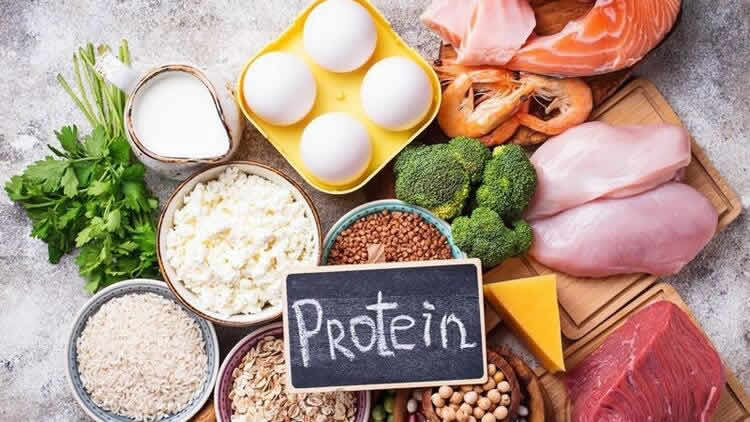
Just as you can consume eggs and cheese as protein for breakfast, utilize protein sources such as meat, chicken, fish, turkey, legumes, yogurt, and cheese for lunch and dinner. Protein is very important, especially during the first year after bariatric surgery. In the first months, the use of protein powder under the supervision of a dietitian is recommended to ensure adequate protein intake.
Use healthy cooking methods
When planning your meals, not only variety but also the way food is prepared is very important. Just as you can make a healthy food unhealthy by using the wrong cooking technique, you can make a food you love fried healthy by baking it in the oven.
Cooking techniques such as frying or sautéing in oil can cause the loss of macro and micronutrients in foods exposed to high heat and reveal many carcinogenic substances. Therefore, cooking methods such as grilling, boiling, baking, steaming, or poaching will be healthier.
Consume healthy fats
Add various fat sources such as avocado, peanut butter, walnuts, and olive oil to your menu on some days of the week. With the rich omega-3 acids they contain, they will also help lower cholesterol levels that increase due to weight.
Eat colorfully
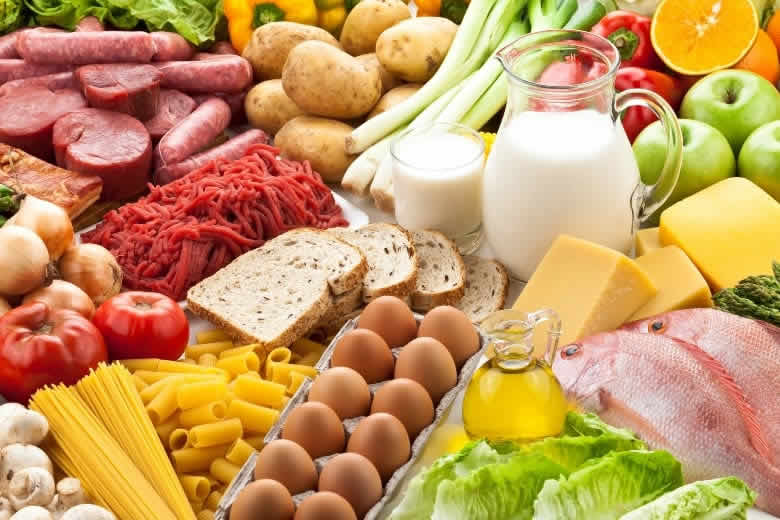
This type of nutrition, which some individuals describe as rainbow nutrition, is very rich in vitamins and minerals due to the diversity it contains. There are many alternatives, from dark green leafy vegetables to red fruits, citruses, and white onions, to increase the variety of micronutrients in your diet and eat colorfully. Since these food groups, which you should add to every meal, will also appeal to the eye, they will make healthy eating more fun and sustainable.
Portion balance
Create a balance of carbohydrates, protein, and fat in your meals and take care that each meal is rich in fiber, vitamins, and minerals. The best way to create this balance is to fill your plates with 3-4 food groups. A healthy plate model should primarily contain a combination of protein-rich food, whole grains, dairy products, and vegetables/fruits. Eat a combination of protein-rich foods, whole grains, dairy products, fruits, and vegetables, and include the groups you missed in other meals and snacks throughout the day.
Minimize sugar
Normally, sugar is a relatively harmless—even necessary—carbohydrate that our bodies need to function. It is found as compound fructose or lactose in fruits, vegetables, and dairy products. The problem arises when sugar is added to foods during processing for extra flavor, texture, or color. Added sugar raises your insulin levels, disrupts your metabolism, and causes those calories to turn directly into belly fat. Therefore, consume the natural carbohydrates your body needs by consuming fresh fruits and vegetables or drinking milk instead of consuming refined sugar.
Try healthy snack alternatives
Snacks are known as treats consumed at times when processed foods are easily accessible, but they are one of the most important meals that will help with weight loss in a diet by directly reducing your appetite for the next main meal. Instead of the same type of snacks, prepare healthy snacks that are as minimally processed as possible. Here are some snack alternatives of 150 calories and under:
- Fresh fruit + milk
- Dried fruit + nuts
- Ayran + Cucumber
- Kefir smoothie blended with fresh fruit
- Vegetable sticks
- Whole grain bread + Cheese
- Sugar-free dried fruit + Herbal teas
Healthy eating is not just about staying hungry or boring diets. What matters is that an individual, whether they have had surgery or not, gains healthy and balanced nutrition habits after completing their weight loss journey. Otherwise, permanent weight loss cannot be expected.
