









 TR
TR  EN
EN  AR
AR 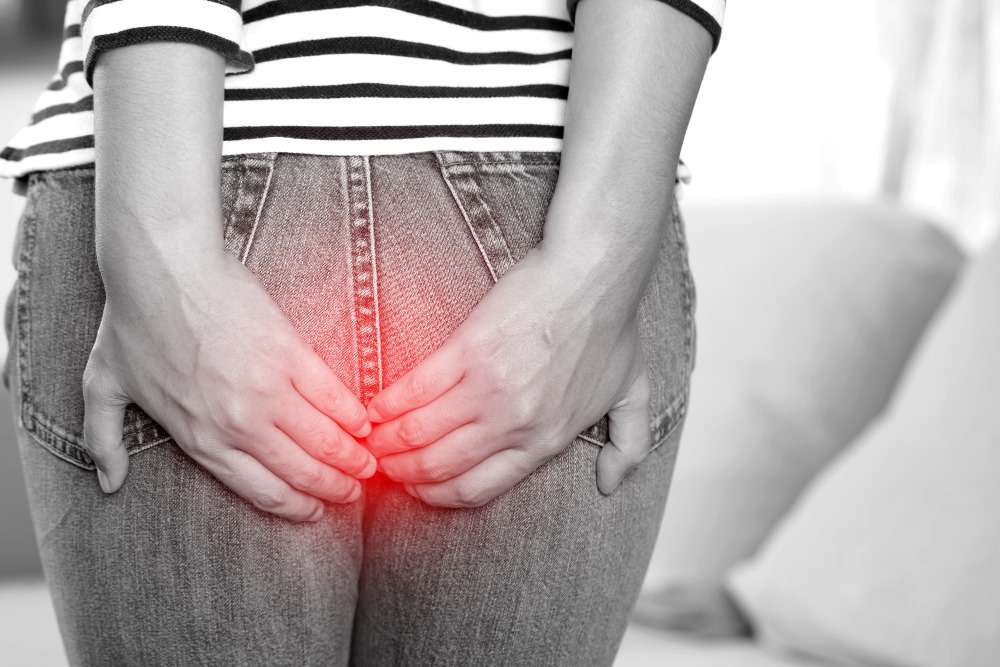
Anal fissure is one of the most common conditions seen in society. Also known as a “tear” or “crack,” it can be easily diagnosed with a simple examination. The fissure occurs in the anal region, usually starting externally and progressing inward. It most commonly appears at the 12 o’clock or 6 o’clock position.
This tear in the tissue causes pain, which typically occurs after defecation or increases following bowel movements due to the stretching of the anal canal. Now, let’s look at the symptoms before discussing treatment methods.
Symptoms of Anal Fissure

Symptoms may vary depending on severity. The most common include pain and bleeding after defecation, especially following constipation. Pain and bleeding often worsen over time, and patients may begin avoiding bowel movements, which can lead to a cycle of constipation and worsening fissures.
Other symptoms include:
- A sensation like passing glass during defecation
- Swelling in the anal area
- Itching and irritation
- Blood stains on underwear
- Difficulty during bowel movements
Even one of these symptoms warrants medical consultation. These symptoms can also be confused with hemorrhoids, abscesses, warts, cancer, or rectal prolapse, making early diagnosis important.
Causes of Anal Fissure
Anal fissures are most common between ages 20–40 but can occur at any age. Common causes include:
- Chronic constipation or diarrhea
- Crohn’s disease
- Ulcerative colitis
- Vaginal childbirth
- Hard stool
- Low fluid intake
- Lack of fiber in diet
They can also occur without a clear cause, often following difficulty in defecation. Delaying bowel movements can harden stool, increasing the risk of tearing.
Medical procedures such as rectal thermometer use, colonoscopy, or enemas can also cause trauma leading to fissures.
Anal Fissure Surgery

If surgery is required, a muscle in the anal canal called the lateral internal sphincter is partially cut. This procedure must be done carefully, as improper surgery can lead to complications such as incontinence or fistula.
The operation is performed under anesthesia, ensuring no pain. Proper medication use and hygiene after surgery are essential for recovery.
Treatment of Anal Fissure
The first step in treatment is resolving constipation. Patients should adopt a balanced diet rich in fiber and drink at least 2.5 liters of water daily.
Other treatments include:
- Sitz baths (warm water baths)
- Topical creams or ointments
- Pain relievers (as prescribed)
These methods are effective in early-stage fissures. Chronic cases may require surgery. Not all patients need surgery, but in some cases it becomes necessary.
Patients can usually return to daily life within 24–48 hours after surgery.
Why Does Anal Discharge Occur?
Bleeding may sometimes be perceived as discharge. In some cases, it may be pus due to infection. This can occur during bowel movements or while sitting. Any discharge should be evaluated by a doctor due to infection risk.
What Happens If Not Treated?
Untreated fissures may worsen, deepen, and become chronic. Pain increases, and infection risk rises. While mild cases may heal spontaneously, advanced cases require treatment.
Chronic fissures can lead to more serious complications and may eventually require surgery.
