









 TR
TR  EN
EN  AR
AR 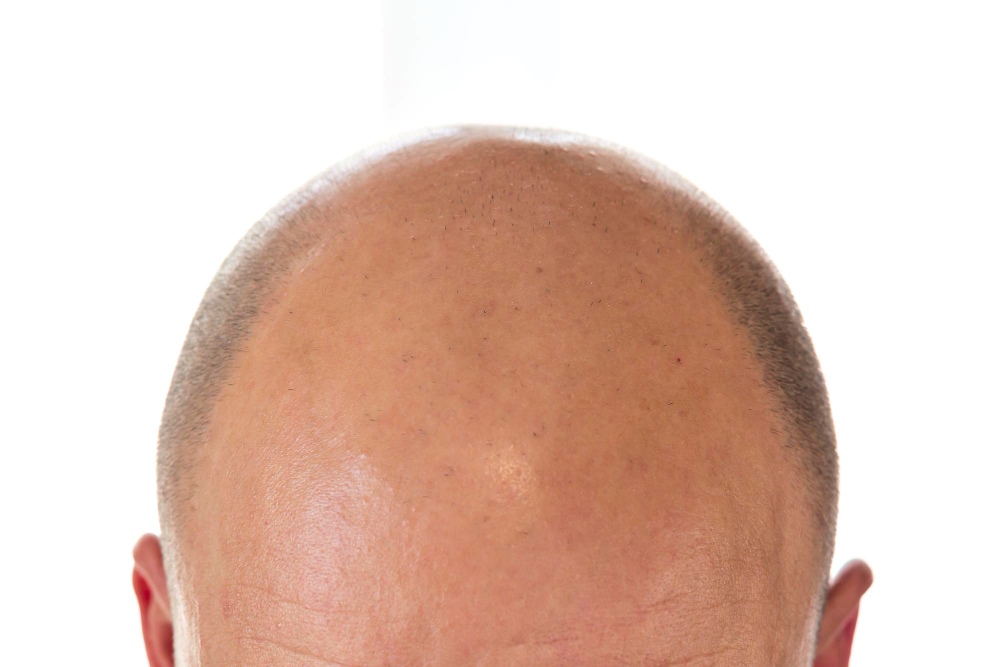
Hair loss after bariatric surgery is a very common issue. This condition can cause psychological effects such as fear, anxiety, irritability, and unhappiness in patients.
Hair loss is most commonly observed between the 3rd and 9th months after surgery and is usually temporary. Approximately one-third of bariatric surgery patients experience hair loss. Nutrition plays a crucial role in both preventing and managing this condition.
The Hair Growth Cycle
Hair follicles have two main phases: the anagen (growth) phase and the telogen (resting) phase. All hair begins its cycle in the anagen phase. During this stage, hair grows from the follicle as cells in the papilla divide and elongate the hair shaft. The anagen phase typically lasts 3–5 years, although it can range from 2 to 10 years according to the literature. During this phase, hair grows approximately 1–1.5 cm per month.
Hair growth is influenced by genetic, hormonal, and metabolic factors. Seasonal changes can also significantly affect hair loss. In the telogen phase, hair stops growing and eventually sheds. When this process is accelerated, it is referred to as telogen effluvium.
Factors that can trigger telogen effluvium include medications, surgery, fever, childbirth, hyperthyroidism or hypothyroidism, eating disorders, low protein intake, heavy metal toxicity, and deficiencies in certain vitamins and minerals such as iron and zinc.
In summary, there are many causes of hair loss. In bariatric surgery patients, the risk increases significantly if the patient has difficulty progressing through dietary stages (liquid, puree, solid) or fails to take adequate multivitamin and protein supplements.
The Importance of Protein in Hair Loss

Patients who do not consume enough protein may also experience low energy levels. Protein deficiency directly increases hair loss. It can lead to hypoalbuminemia, which negatively affects the body. A decrease in muscle mass weakens hair follicles, contributing to hair shedding.
Patients who have undergone bariatric surgery typically cannot consume high calories during the first year. By the end of the year, patients may consume around 800 calories daily, so they should prioritize high-quality protein sources. Initially, patients should consume at least 60 grams of protein per day. After the first month, this amount should be increased. Before transitioning to solid foods, protein supplementation is essential. After transitioning, daily intake should be at least 80 grams for women and 100 grams for men.
It is important to note that approximately 80% of hair is made of keratin, which is a protein. Therefore, insufficient protein intake increases hair loss and prevents new hair growth. Adequate protein intake improves both hair quality and density.
The Importance of Iron in Hair Loss
When examining the relationship between hair loss and minerals, iron is one of the most critical. After bariatric surgery, reduced portion sizes can limit iron intake, directly contributing to hair loss.
Iron deficiency, which is more common in women, is strongly associated with hair loss. Studies show that when serum ferritin levels drop below 40 µg/L, significant hair shedding can occur.
The Importance of Zinc in Hair Loss

Zinc plays a key role in cell regeneration and directly affects hair health. Zinc deficiency prevents proper hair renewal, leading to weak and brittle hair that is prone to shedding. It also affects the natural oil balance of the scalp, which is essential for nourishing hair. Zinc deficiency can also cause nail weakness.
Before taking zinc supplements, it is important to consult a doctor. Dietary sources of zinc include red meat, poultry, liver, wheat germ, and pumpkin seeds.
What Should Be Done to Prevent Hair Loss?
Healthy nutrition is the most important factor for maintaining strong hair. After surgery, patients must strictly follow the diet plan and multivitamin recommendations provided by their doctor and dietitian.
Incorporating foods such as dark leafy greens (spinach, arugula, chard), nuts (walnuts, hazelnuts, almonds), and vitamin C-rich fruits into the diet is essential.
Hair loss after bariatric surgery is temporary. Patients should avoid panic and focus on proper care. By undergoing blood tests and working closely with healthcare professionals to maintain appropriate vitamin and mineral intake, hair loss can be effectively managed and reversed.
