









 TR
TR  EN
EN  AR
AR 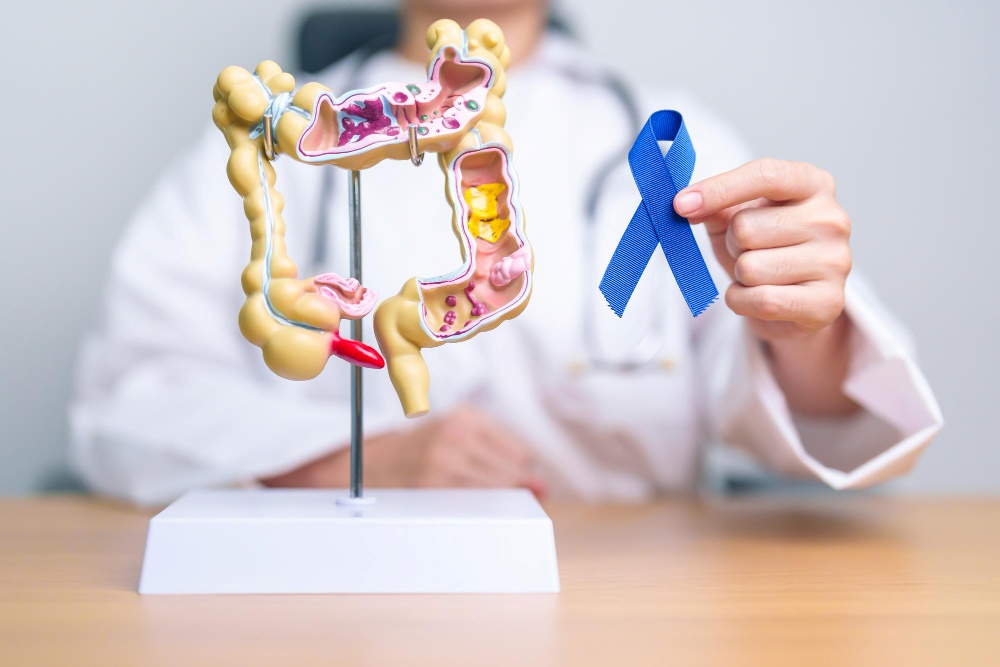
Colon cancer is one of the most common types of cancer, especially in individuals over the age of 50. It is among the top 5 most common cancers in Türkiye and worldwide. Although it is more frequently seen at older ages, it can occur at any age. This cancer develops in the colon section of the large intestine and can be completely treated if diagnosed early. However, if early diagnosis is not possible, it may spread to various tissues and organs, including lymph nodes.
The success of treatment is closely related to the stage at which the disease is diagnosed. Since it affects 1 in every 20 people during their lifetime, it is important for everyone to be aware of its symptoms. Before discussing risk factors and treatment, let’s first review the symptoms.
What Are the Symptoms of Colon Cancer?

Colon cancer symptoms are generally related to bowel movements. Not all symptoms may appear in every patient, but common ones include:
- A feeling that the bowels are not completely emptied after defecation
- Difficulty in passing stool
- Pain during defecation
- Rapid weight loss
- Vomiting
- Diarrhea or constipation
- Narrowing of stool
- Bleeding from the anus
- Blood in the stool
- Mucus-like discharge in stool
In advanced cases, abdominal pain and bloating may also occur.
It is important to note that symptoms may differ depending on whether the cancer affects the right or left side of the colon. Left-sided cancers often show symptoms earlier, while right-sided cancers may be diagnosed later. Unexplained weight loss or iron deficiency anemia should raise suspicion.
Risk Factors of Colon Cancer
Although the exact cause is not fully known, several risk factors have been identified:
Age
Risk increases significantly between ages 50–60.
Genetic Factors
Individuals with a family history should start screenings 10 years earlier than the age at which their relative was diagnosed.
Polyps
Polyps are benign growths that can turn into cancer over time, requiring regular monitoring.
Genetic Disorders
Mutations such as HNPCC increase the risk.
Inflammatory Bowel Diseases
Chronic inflammation can trigger cancer development.
Unhealthy Lifestyle
Smoking, alcohol consumption, low-fiber diet, sedentary lifestyle, diabetes, and obesity increase risk.
How Is Colon Cancer Diagnosed?

Diagnosis is easier today thanks to endoscopic methods. Regular screening is essential for early detection. Diagnostic methods include:
Fecal Occult Blood Test
Detects hidden blood in stool samples.
Radiological Imaging
Includes CT scans and contrast colon imaging.
Laboratory Tests
Complete blood count and biochemical tests.
Endoscopic Methods
Procedures like colonoscopy allow direct visualization and biopsy if needed.
Individuals over 50 or with family history should undergo regular screening.
How Is Colon Cancer Treated?
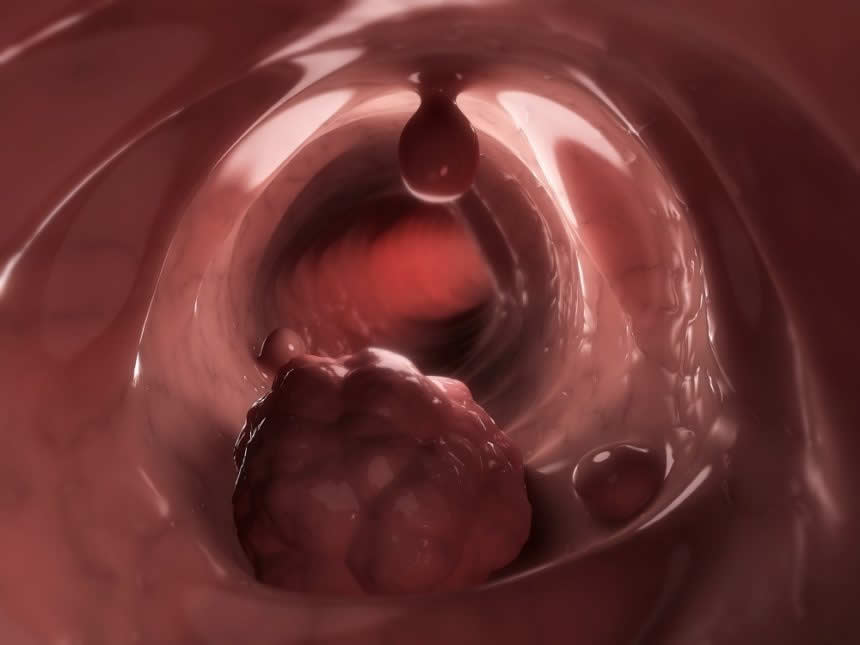
If detected early, polyps may be removed without major surgery. In advanced stages, surgical removal of the tumor is required. If the cancer has spread, chemotherapy may be necessary. In widespread cases, treatment focuses on prolonging life.
Prevention of Colon Cancer
Although it cannot be fully prevented, risk can be reduced by:
- Eating a diet rich in fruits, vegetables, and legumes
- Limiting red meat consumption
- Avoiding alcohol and tobacco
- Maintaining a healthy weight
- Exercising regularly
- Ensuring adequate calcium and vitamin D intake
- Undergoing regular screenings after age 50
