









 TR
TR  EN
EN  AR
AR 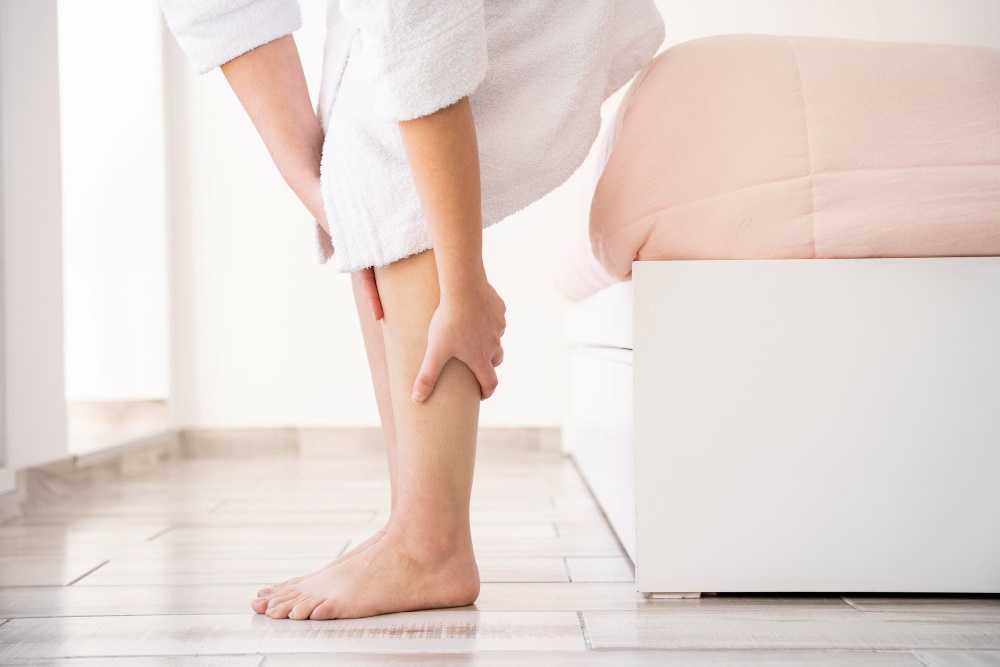
When you visit a dietitian and have a body composition analysis, you are told the amounts of your fat, muscle, and body water. Rather than fat and muscle mass, what usually draws attention is excess body water, namely edema. So what is edema, and is it really something to worry about? Let’s take a closer look together.
What is edema?
Edema is the swelling that occurs in areas such as the feet, legs, hands, and ankles due to fluid retention in the body. It can also occur in any part of the body.
The average water percentage in the human body may vary depending on gender, age, and weight. In fact, more than half of your body weight consists of water.
The decrease in water percentage over the years is due to having more body fat and less lean mass as you age. Fat tissue contains less water than lean tissue, so your weight and body composition affect the percentage of water in your body.
How does edema occur?
The formation of edema varies depending on a person’s existing diseases, diet, hormones, weather conditions, and level of physical activity.
Especially in hot weather, sitting or standing for long periods can also cause edema. Obesity and pregnancy increase the risk of developing edema.
Sodium intake: As you consume foods rich in sodium, the amount of fluid retained in the body increases; in other words, edema occurs. Salt consumption is particularly high. Salt consists of sodium chloride, which means excessive salt intake promotes edema formation.
Carbohydrate intake: High carbohydrate consumption also increases fluid retention in the body because carbohydrates are stored together with water.
Inactivity: A sedentary lifestyle also increases fluid retention.
Insufficient fluid intake: Not consuming enough fluids during the day also leads to edema. The amount of fluid you consume daily is very important.
Diseases and medications that cause edema
Some diseases that may cause edema include:
- Heart diseases
- Kidney diseases
- Liver diseases
- Certain infections
- Severe allergic reactions
- Chronic venous insufficiency
So how much water should we drink?
According to the European Food Safety Authority (EFSA), women should consume an average of 2 liters of water, while men should consume about 2.5 liters.
You can understand whether you are drinking enough water by checking your urine color.
Colors 1 and 2 are the desired range.
The first two colors are our target. The middle two indicate dehydration. The last two indicate severe dehydration.
How can we get rid of edema?

First, it is necessary to determine whether the edema is caused by a disease or by dietary factors. If it is disease-related, a physician should be consulted. In cases such as lymphedema, compression stockings may be beneficial. If it is related to diet:
- reduce salt intake
- drink plenty of water
- avoid packaged and processed foods high in salt
- eat healthy foods
- engage in moderate exercise to help prevent swelling caused by inactivity
- avoid tobacco products and alcohol
- consume potassium-rich foods
- diuretics may be used
Diuretics
Diuretics help the body eliminate excess fluid, especially water and sodium. Most stimulate the kidneys to excrete more sodium into the urine. When sodium is removed, the body also expels water.
11 Ways to Reduce Edema
The herbs listed below are used as diuretics. However, these should be used under the supervision of a dietitian or physician.
- Stinging Nettle (Urtica dioica)
Rich in potassium, it helps reduce edema and supports kidney function.
- Dandelion (Taraxacum officinale)
Dandelion increases kidney activity and urination frequency.
- Horsetail (Equisetum arvense)
It can be steeped in boiled water for 15 minutes or left overnight in cold water.
- Cherry Stalk (Prunus avium)
Cherry stalk is an effective diuretic.
- Corn Silk (Zea mays)
Corn silk is an effective diuretic.
- Parsley (Petroselinum crispum)
It should be steeped and consumed cold for better diuretic effect.
- Immortelle (Helichrysum sp.)
A good diuretic, but caution is needed for those using diabetes medication.
- Juniper (Juniperus communis)
Used as a diuretic since the Middle Ages.
- Green Tea
Helps eliminate excess fluid due to its diuretic effect.
10) Ginger (Zingiber officinale)
An effective anti-edema plant, also beneficial for colds.
11) Bromelain
An enzyme found in pineapple that helps reduce edema.
Other Diuretic Foods;
- Watermelon
- Grapes
- Strawberries
- Celery
- Asparagus
- Onion
- Garlic
Potassium-Rich Foods
- Leafy green vegetables
- Nuts
- Legumes
- Dried fruits
- Avocado
- Potatoes
- Salmon
- Bananas
