









 TR
TR  EN
EN  AR
AR 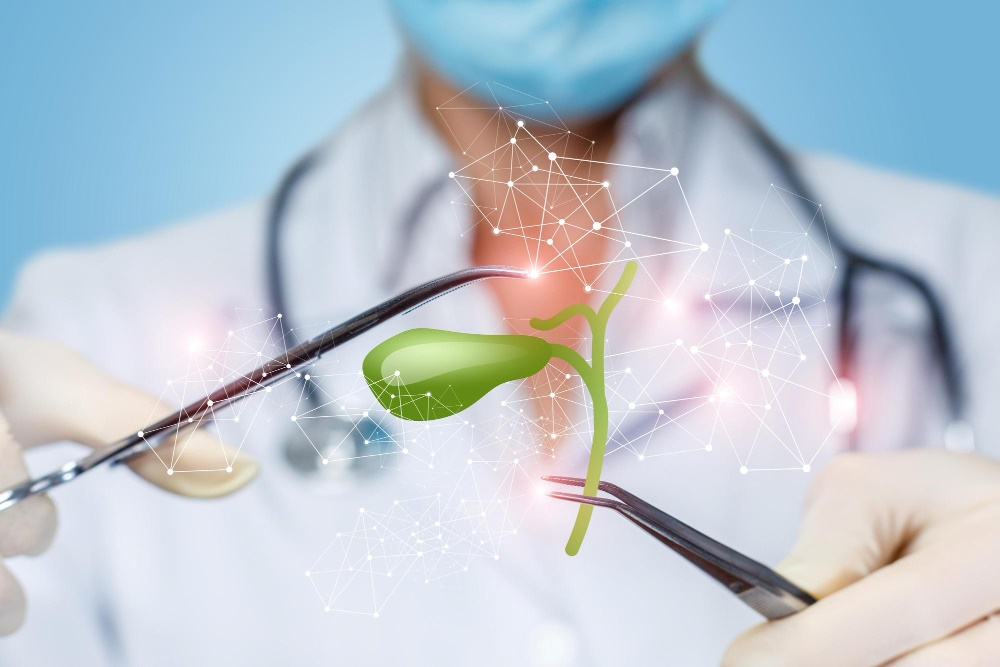
Gallbladder is an organ located just beneath the liver, approximately 8 cm in length and 4 cm in width. This hollow organ has a pear-like shape lying on its side. It opens into the duodenum via the cystic duct and connects to the common bile duct. Before discussing how gallstones form and their symptoms, let’s examine the functions of the gallbladder in more detail.
What Is the Function of the Gallbladder?
The main function of this organ is to store a portion of the bile produced by the liver. The liver secretes approximately 1500 cc of bile daily, and about 50 to 100 cc of this is stored and released by the gallbladder. This organ is especially stimulated when consuming fatty foods, chocolate, and similar heavy meals. This stimulation is triggered by a substance called cholecystokinin. Once stimulated, the gallbladder releases bile, which helps digest heavy foods. The bile released by this organ is more concentrated.
Gallstones
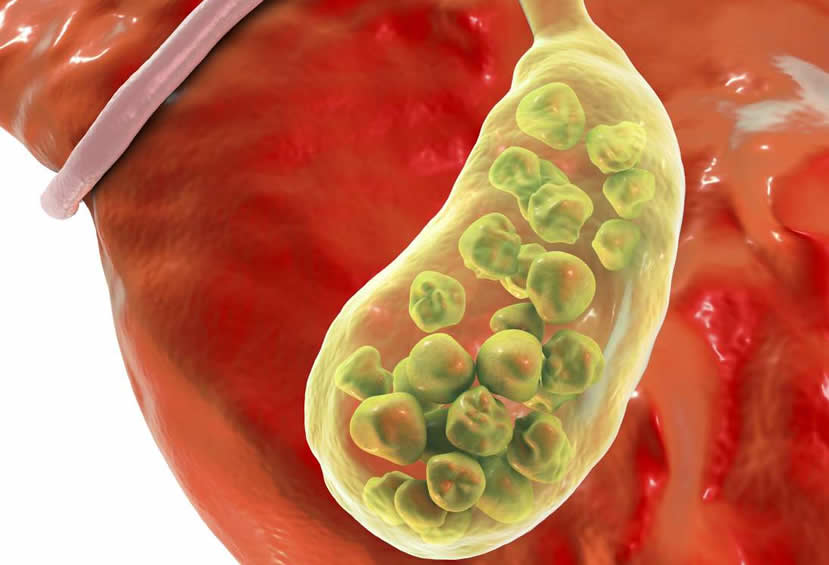
When cholesterol, pigments, and infections combine within this organ, bile sludge forms. Over time, this sludge turns into gallstones. These stones may remain asymptomatic for years and are often discovered incidentally during ultrasound examinations performed for other reasons.
Treatment of Gallstones
Treatment of gallstones is extremely important. If left untreated, stones may move into the bile ducts and block bile flow or pancreatic secretions. This can lead to serious complications. Therefore, once detected, treatment is necessary.
Gallstones cannot be treated with medication. Surgical removal is required. However, there is no need for concern, as modern medical techniques allow these procedures to be completed quickly, and patients can return to daily life after a short recovery period.
Symptoms of Gallstones
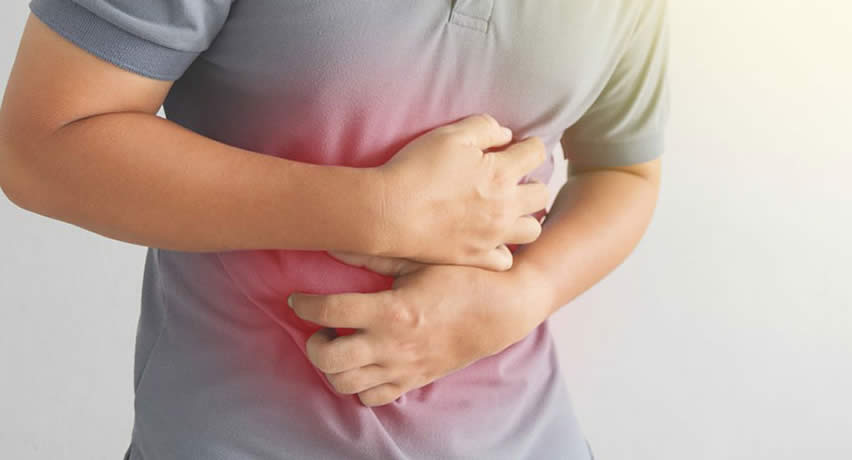
In early stages, gallstones often do not cause symptoms. Research shows they can remain in the gallbladder for a lifetime without symptoms. However, in some patients, symptoms may occur. The most common symptom is biliary colic, a type of pain specific to the biliary system. Its characteristics include:
- Usually starts in the upper middle or right abdomen
- May radiate to the right shoulder blade
- Often begins suddenly after meals
- Increases within 15–20 minutes and may last up to 5 hours
- Not relieved by vomiting, bowel movements, gas, or position changes
- Does not respond to antacid medications
- May be accompanied by sweating and nausea
- Usually subsides on its own after some time
If such pain occurs, medical evaluation should not be delayed.
How Does Gallbladder Pain Go Away?
Patients often wonder how to relieve this pain. Painkillers may be used under medical supervision, but they only provide temporary relief. The pain may return after some time.
The only definitive solution is surgical removal of the stones. After surgery, gallbladder-related pain is typically eliminated, and patients can regain their quality of life. It is important to avoid using random medications or herbal remedies without consulting a doctor.
Gallbladder Surgery
Diagnosis must be confirmed before surgery. Along with medical history and physical examination, imaging tests such as ultrasound, CT scan, and MRI are used. Based on these results, surgery is planned.
Today, gallbladder surgeries are performed using advanced techniques. The most commonly used method is endoscopic. This procedure, known as endoscopic retrograde cholangiopancreatography (ERCP), involves entering through the mouth to remove stones. If no complications occur, patients can be discharged the same day.
In some cases, open surgery may be necessary, requiring a few days of rest. The procedure is performed under anesthesia, so the patient feels no pain.
After surgery, simple dietary changes can support digestion. High-fiber foods are recommended, such as:
- Beans, lentils, peas, and potatoes
- Barley and oats
- Whole grain bread
- Raw nuts such as almonds, walnuts, and cashews
- Seeds like chia and poppy seeds
- Seasonal fruits and vegetables
- Lean meat and fish
Gallbladder Polyps
This condition refers to thickening of the gallbladder wall. Polyps smaller than 1 cm are usually monitored without surgery. However, polyps larger than 1 cm have about a 5% risk of becoming cancerous and typically require surgical removal.
Is There a Non-Surgical Treatment for Gallstones? What Is ERCP?
Patients often ask whether there is a non-surgical solution, but gallstones cannot be treated without intervention. This condition is often confused with kidney stones.
The bile ducts narrow toward the intestine, and stones can become lodged there, causing blockage. Since pancreatic fluids also pass through this area, blockage can lead to pancreatitis, a serious condition.
Therefore, gallstones must be treated appropriately, and medical consultation is essential.
