









 TR
TR  EN
EN  AR
AR 
Gastric ulcer can be defined as damage to the stomach or duodenum caused by stomach acid and digestive fluids. This damage to the tissues may also lead to tissue loss. In some cases, this tissue loss can deepen and cause wounds known as inflammation.
This condition can lead to serious symptoms that negatively affect a person’s quality of life and sleep. Studies show that ulcer problems are more common in spring months. We will explain the symptoms, who is more likely to be affected, and how it is treated, but first it is important to focus on the causes.
What Are the Causes of Gastric Ulcer?
In general, the main cause of gastric ulcers is the weakening of the mucus layer that protects the stomach and duodenum. This mucus layer protects these organs from digestive enzymes. When it decreases, the tissues become vulnerable. The most common causes include:
- Unbalanced and unhealthy diet
- Excessive salt consumption
- Swallowing food without proper chewing
- Prolonged hunger
- Overeating
- Insomnia
- Fatigue
- Consuming unhygienic food
- Genetic factors
- Stress
Additionally, smoking and alcohol consumption can contribute to gastric ulcers. Certain medications may also cause ulcers. One of the most important causes worldwide is the bacterium called Helicobacter pylori, which damages the stomach lining.
What Are the Symptoms of Gastric Ulcer?

Symptoms may vary between individuals. Some may experience mild symptoms, while others may have severe symptoms affecting sleep. Common symptoms include:
- Burning sensation in the stomach
- Stomach pain
- Nausea and vomiting
- Relief after vomiting
- Loss of appetite
- Weight loss
- Bloating and gas
- Frequent hunger
- Pain after eating
- Indigestion
Some patients may also experience back pain. Even if only one symptom is present, medical consultation is necessary.
How Is Gastric Ulcer Treated?
Once diagnosed, the appropriate treatment plan is created. Treatment usually involves medication such as H2 receptor blockers and proton pump inhibitors. These reduce stomach acid and relieve symptoms.
Diet is also essential. Patients should avoid:
- Sour foods
- Onion-based dishes
- Spicy foods
- Fried foods
- High-sugar foods
- High-fat foods
- Carbonated drinks
- Alcohol
Maintaining hydration and avoiding long periods of hunger improves treatment outcomes.
Who Gets Gastric Ulcer?
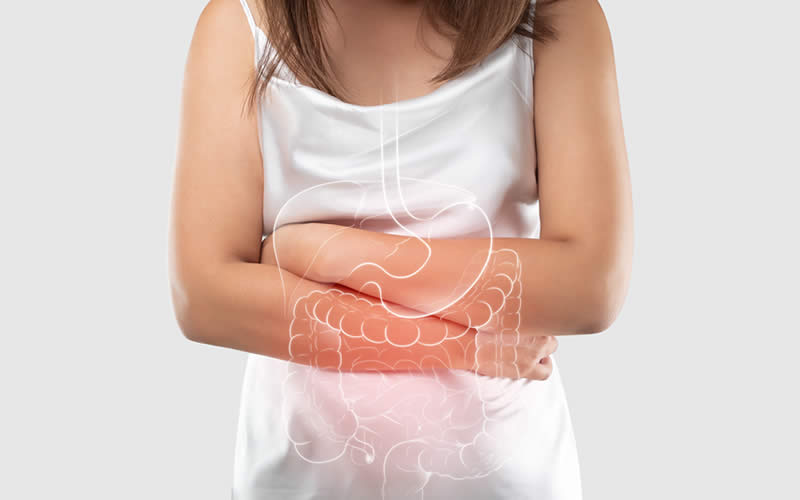
Duodenal ulcers are more common than gastric ulcers. It is seen three times more often in men. It commonly occurs between ages 30 and 50, while in older ages it becomes more frequent in women. It is more common in people with poor dietary habits.
Stress is also strongly linked to ulcers. It can both trigger and prolong the condition.
Can Gastric Ulcer Turn Into Cancer?
Gastric ulcers carry a risk of turning into cancer. However, ulcers are not the same as cancer. Having an ulcer does not mean cancer is present, but the risk exists, which is why early treatment is important.
Gastric Ulcer Surgery
Surgery is not always required. In the past, removing the acid-producing part of the stomach was common, but with modern medications, surgery is rare. However, complications such as bleeding, blockage, or perforation may require surgical intervention.
What Helps Gastric Ulcer Pain?

To reduce pain:
- Eat a balanced diet
- Do not skip breakfast
- Drink enough water
- Avoid fried, salty, and sugary foods
- Limit tea and coffee
- Eat small portions
- Avoid long periods without food
How Is Gastric Ulcer Diagnosed?
Symptoms alone are not enough. The most reliable method is gastroscopy. During the procedure, the stomach is examined and biopsy may be taken if needed.
Is Diet Important in Gastric Ulcer Treatment?
Yes, diet plays a major role. Patients should:
- Chew food well
- Avoid spicy foods
- Avoid alcohol and carbonated drinks
- Quit smoking
- Increase fiber intake
- Limit salt and processed foods
- Reduce caffeine intake
- Avoid fatty and fried foods
- Eat slowly and regularly
Can Ulcer Patients Fast?
Fasting may increase stomach acid and lead to complications such as perforation. Patients should consult a doctor before fasting.
Do Medications Cause Ulcers?
Some medications, especially painkillers and anti-inflammatory drugs, can increase stomach acid and worsen ulcers. They should be taken with caution and under medical advice.
Which Medications Are Used?
H2 receptor blockers and newer acid-reducing drugs are commonly used, always under medical supervision.
Difference Between Gastric Ulcer and Reflux
Reflux affects the esophagus, while ulcers affect the stomach. Although symptoms may be similar, reflux often includes throat burning and acid regurgitation. Persistent reflux may require surgical treatment.
