









 TR
TR  EN
EN  AR
AR 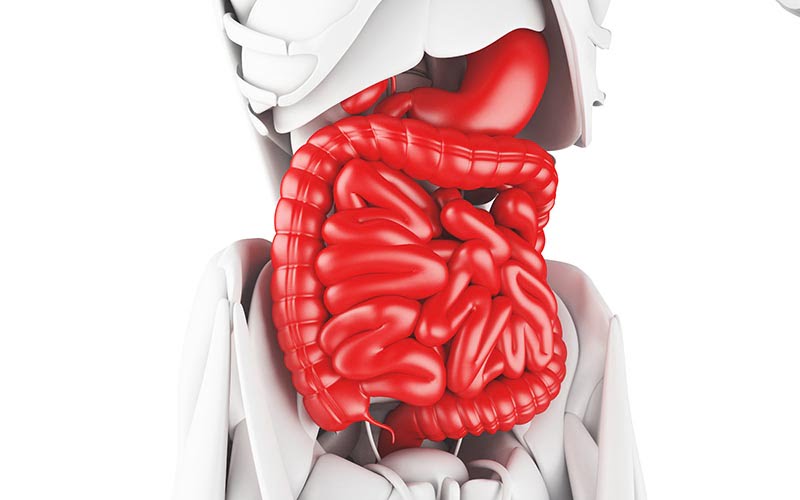
Irritable bowel syndrome (IBS) is a type of intestinal disorder also known among the public by names such as spastic colon, irritable colon, or spastic colitis. It is a group of intestinal symptoms that typically occur together. The duration and severity of these symptoms vary from person to person. Although there are no studies providing clear results that IBS increases the risk of gastrointestinal cancer, it has significant effects on the quality of life.
What are the Symptoms of IBS?
Individuals with IBS typically experience the following symptoms:
- Cramping
- Abdominal pain
- Bloating and gas
- Constipation
- Diarrhea
People with IBS may present with both constipation and diarrhea. Symptoms such as bloating and gas usually disappear after a bowel movement.
IBS Pain
Individuals with IBS may feel pain similar to cramping. Following these cramps, you may experience the following changes:
- Some relief after a bowel movement
- A change in the frequency of your bowel movements
- Changes in the appearance of your stools
IBS Diagnosis
Your doctor can diagnose IBS by evaluating your symptoms and may confirm this by performing the following examinations:
- Determining if specific foods have been removed from the diet for a certain period to identify any food allergies.
- Examining a stool sample to identify infections.
- Performing blood tests to check for Celiac disease and anemia.
- Conducting an intestinal examination via colonoscopy.
Drug Treatment in IBS
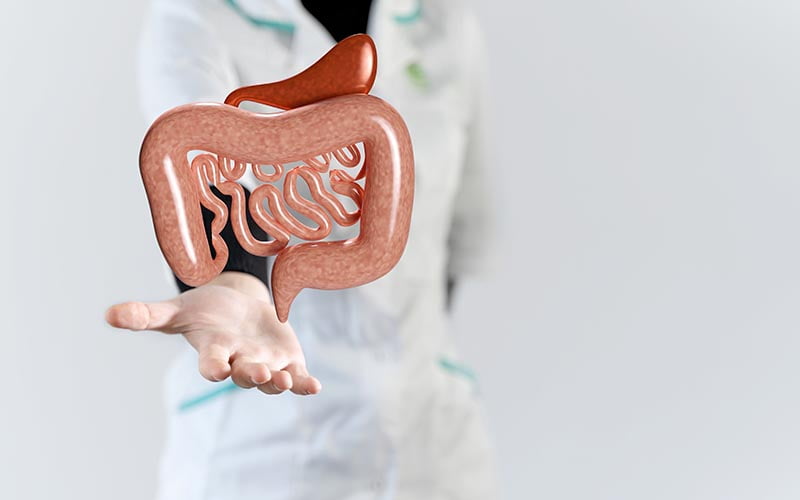
While there is no definitive cure for IBS, drug treatment is aimed at relieving symptoms. Initially, your doctor may suggest certain lifestyle changes. These changes should be implemented before starting drug treatment.
Lifestyle Changes in IBS
- Engaging in regular physical exercise
- Reducing caffeinated beverages that stimulate the intestines
- Eating smaller portions
- Minimizing stress
- Consuming probiotic foods containing beneficial bacteria
- Avoiding deep-fried or spicy foods
Dietary Treatment in IBS
There is no standard diet treatment for patients with IBS. Since IBS symptoms vary among individuals, dietary approaches must also be personalized. Medical intervention is crucial, but since the disease manifests differently in everyone, the treatment must be tailored to the individual. By adjusting common IBS diets according to your daily calorie needs, you can discover the best diet for yourself and minimize your symptoms through lifestyle changes.
Commonly Used Diets in IBS
- HIGH-FIBER DIET
Fiber helps your bowel movements by increasing stool volume. The average amount of fiber an adult should consume daily is between 20-35 grams. Fruits, vegetables, and whole grains are rich in fiber and help relieve constipation. However, if you experience bloating due to increased fiber intake, try consuming only soluble fibers found in fruits and vegetables instead of grains.
- LOW-FIBER DIET
If you have persistent complaints of gas, bloating, and diarrhea, increasing fiber intake may worsen your symptoms. As a first step, instead of completely removing fiber from your life, try soluble fiber sources found in foods like apples, strawberries, carrots, and oatmeal. Common insoluble fiber sources include whole grains, nuts, tomatoes, raisins, broccoli, and cabbage. To reduce this effect, you may use anti-diarrheal medications 30 minutes before fiber intake, but this method should only be applied in emergencies (in restaurants or while traveling) and should not become a habit.
- GLUTEN-FREE DIET
Gluten is a protein found in grain products such as bread, bulgur, barley, rye, wheat, and pasta. This protein can damage the intestines in people with gluten intolerance, leading to IBS problems. Therefore, following a gluten-free diet by removing gluten-containing foods like bread and pasta can reduce symptoms. However, for those who still wish to consume them, many gluten-free products such as bread, pasta, and biscuits are available on the market.
- ELIMINATION DIET
This approach advocates staying away from certain foods for a long period to see if IBS symptoms improve. According to the International Foundation for Gastrointestinal Disorders, the top four items on the list of foods to be eliminated are:
- Coffee
- Chocolate
- Insoluble fibers
- Nuts
- LOW-FAT DIET
High-fat foods can lead to constipation because their fiber content is very low, which can increase IBS symptoms. Individuals with IBS should turn toward lean meats, fruits, vegetables, grains, and low-fat dairy products instead of eating fried foods and animal fats.
- LOW FODMAP DIET
FODMAP stands for “Fermentable Oligo-, Di-, Mono-saccharides And Polyols.” These are small carbohydrates that are difficult to digest, especially for individuals with IBS.
When high-FODMAP foods reach the intestines, they ferment and are used as fuel by intestinal bacteria. While beneficial bacteria like probiotics tend to produce methane, bacteria that feed on these carbohydrates produce hydrogen—another type of gas that can lead to gas, bloating, stomach cramps, pain, and constipation.
FODMAPs are also osmotically active, meaning they can pull water into your intestines and contribute to diarrhea. To minimize these symptoms, consuming foods low in FODMAPs can be a suitable solution.
High FODMAP Foods
- Fruits: Apple, applesauce, apricot, blackberry, cherry, canned fruit, dates, fig, pear, peach, watermelon
- Sweeteners: Fructose, honey, high-fructose corn syrup, xylitol, mannitol, maltitol, sorbitol
- Dairy products: Milk (cow, goat, and sheep), ice cream, most yogurts, sour cream, soft and fresh cheeses (cottage cheese, ricotta, etc.), and whey protein supplements
- Vegetables: Artichoke, asparagus, broccoli, beetroot, Brussels sprouts, cabbage, cauliflower, onion, garlic, fennel, leek, mushroom, okra, peas, shallots
- Legumes: Beans, chickpeas, lentils, kidney beans, baked beans, soybeans
- Wheat: Bread, pasta, breakfast cereals, crackers, biscuits
- Other grains: Barley and rye
- Beverages: Beer, fortified wines, soft drinks containing high-fructose corn syrup, milk, soy milk, fruit juices
Alternative Foods for a Low FODMAP Diet
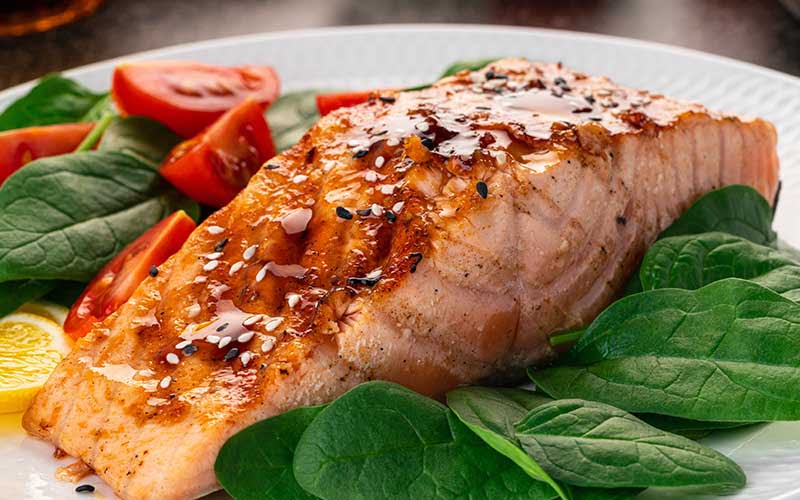
- Meats, fish, and eggs: Meat, chicken, and fish are well-tolerated as long as high-FODMAP ingredients are not added during the marination process.
- All oils and fats
- Nuts and seeds: Almonds, peanuts, pine nuts, sesame seeds (excluding pistachios or cashews)
- Fruits: Unripe banana, blueberry, cantaloupe, grapefruit, grapes, kiwi, lemon, lime, mandarin, melon (excluding watermelon), orange, raspberry, strawberry
- Sweeteners: Maple syrup, molasses, and stevia
- Dairy products: Lactose-free dairy products, hard cheeses
- Vegetables: Bell pepper, carrot, celery, cucumber, eggplant, ginger, green beans, kale, lettuce, chives, parsnip, potato, radish, spinach, spring onion (green part only), zucchini, sweet potato, tomato, turnip, water chestnut, squash
- Grains: Corn, oats, rice, quinoa
- Beverages: Water, tea, coffee, etc.
How Should a Low FODMAP Diet Be Implemented?
Initially, you should completely remove all high-FODMAP foods from your diet for a few weeks. Afterward, you should restart by trying them back one by one. In addition to all these, regardless of the IBS symptoms, you should drink plenty of water, exercise regularly, reduce your caffeine intake, and seek help from a nutritionist for the most accurate guidance.
