









 TR
TR  EN
EN  AR
AR 
Reflux is one of the most common problems experienced by many people today. Patients often do not recognize reflux disease. They may visit an ENT specialist due to sore throat, a cardiologist due to chest pain, or internal medicine for abdominal pain. When they cannot get results, some even go to a psychiatrist, creating a vicious cycle until the correct diagnosis of reflux is made. Therefore, patients with such complaints should definitely undergo gastroscopy.
Indigestion after meals, a sour taste in the stomach, or a burning sensation in the esophagus can become very uncomfortable. Stomach acid may rise into the esophagus and even into the mouth. In some individuals, this is temporary, while in others it becomes chronic and painful. Known as gastroesophageal reflux, this condition affects about 20% of the population.
Studies show that reflux is more common in women, while esophageal damage due to reflux is more common in men. It can occur at any age but may lead to more serious conditions especially in older adults and children.
What Are the Symptoms of Reflux?
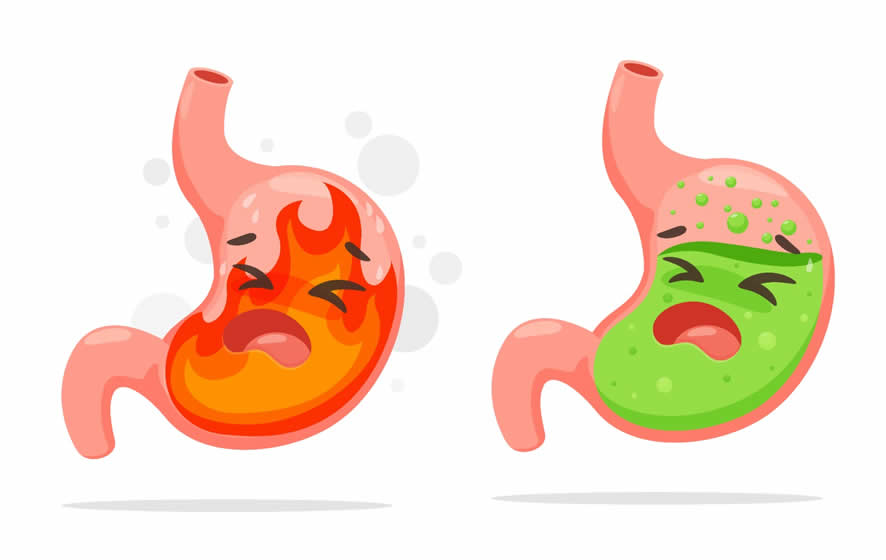
Common symptoms include:
- Sour taste in the stomach
- Burning sensation in the stomach
- Chest burning
- Food coming back into the mouth
- Weight loss
- Bitter or sour fluid in the mouth
- Bloating
- Frequent belching
- Chronic pharyngitis
- Chronic sinusitis
- Tooth decay
- Allergic asthma
In some patients, stomach acid may reach the respiratory tract, causing:
- Hoarseness
- Sore throat
- Cough
- Feeling of food stuck in the throat
- Asthma worsening at night
- Severe snoring
- Sleep disorders
Which Patients Require Reflux Surgery?
Surgery is not required for every patient. However, it may be necessary in cases such as:
- Young patients
- Severe or frequent symptoms
- No response to medication
- Damage to the esophagus
- Presence of hiatal hernia
What Improves After Reflux Surgery?

Reflux surgery is performed laparoscopically. A new valve mechanism is created between the stomach and esophagus to prevent acid reflux. The operation typically lasts between 30 minutes and 1.5 hours. Patients can start eating the next day and return to work within 3–5 days. When performed by an experienced surgeon, success rates are very high.
Diseases Caused by Reflux
Untreated reflux may lead to:
- Barrett’s esophagus
- Anemia
- Digestive tract bleeding
- Stomach narrowing
- Esophagitis
- Aspiration into lungs
- Bronchitis
- Asthma
- Pharyngitis
- Laryngitis
How Is Reflux Treated?
Treatment includes medication and surgery. Medications neutralize stomach acid. Surgery strengthens the valve between the stomach and esophagus and is considered if medication fails or complications exist.
What Helps with Reflux?

Patients can reduce symptoms by:
- Avoiding overeating
- Sleeping with elevated head
- Eating slowly
- Avoiding fatty and fried foods
- Limiting tea and coffee
- Avoiding acidic drinks
- Avoiding spicy foods
- Avoiding chocolate
- Not lying down after meals
- Avoiding alcohol and smoking
- Not drinking fluids with meals
- Maintaining healthy weight
- Reducing stress
How Does Reflux Occur?
Reflux occurs when the valve between the esophagus and stomach weakens. Causes include:
- Smoking
- Alcohol
- Excess caffeine
- Fatty foods
- Mint
- Acidic foods
- Hiatal hernia
- Certain medications
- Pregnancy
How Is Reflux Diagnosed?

Diagnosis is based on symptoms and patient history. Tests may include endoscopy, pH monitoring, imaging, and manometry.
Is There Medical Treatment for Reflux?
Not all patients can be treated with medication, but it is often the first option. If medication fails, surgery is considered.
