









 TR
TR  EN
EN  AR
AR 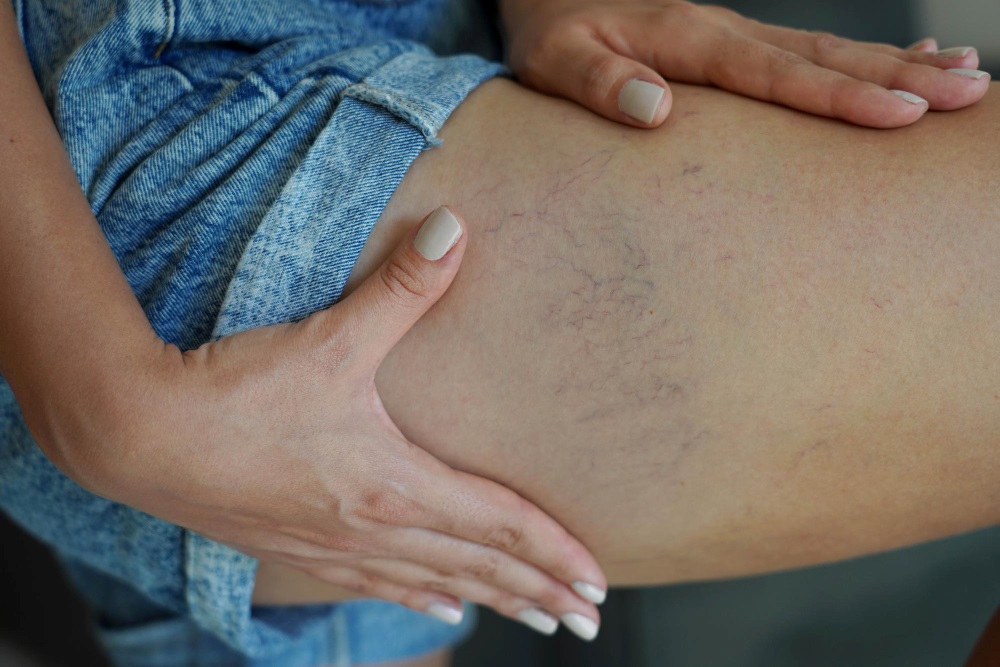
Varicose veins are a condition characterized by the enlargement, elongation, or twisting of the veins in the legs. It can be observed that the prevalence of varicose veins increases with age. According to studies, 1 out of every 2 people over the age of 50 experiences varicose vein problems.
It may also be wondered who is more likely to develop varicose veins. This condition is more commonly seen in women, while it is less frequent in men. It also has a hereditary component. If there is a family history of varicose veins, the likelihood of developing it increases. In addition, varicose veins can occur due to the following reasons:
- Excess weight
- Aging
- Pregnancy
- Menopause
- Standing for long periods
- Blockage in deep veins
- Valve insufficiency in veins
In addition to these, varicose veins may develop due to various other factors. We will also discuss the types and causes of varicose veins, but first, let’s examine the symptoms.
What Are the Symptoms of Varicose Veins?
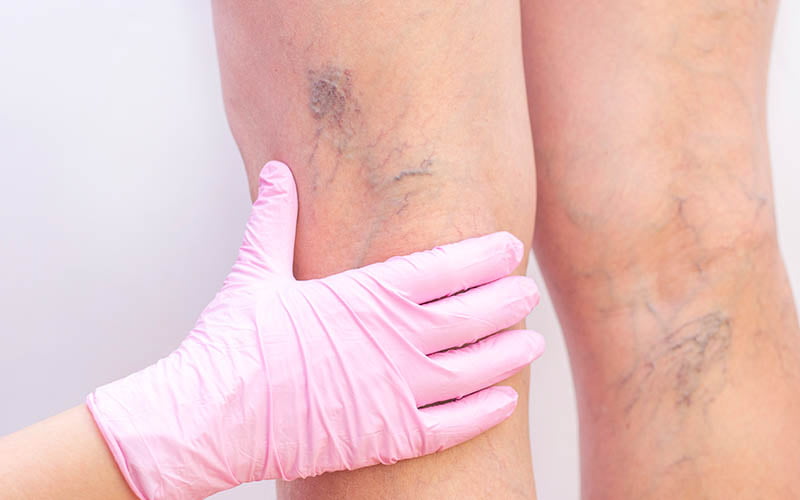
Varicose veins present with various symptoms, including:
- Pain, fatigue, and a feeling of heaviness in the legs
- Increased pain especially after exertion or prolonged standing
- Formation of small visible capillaries in the legs
- Swelling in the ankles
- Purple discoloration around the ankles
- Redness, itching, or dryness of the skin
- Slower healing under the skin after minor injuries
- Increased bleeding after injuries
- Restless leg syndrome in some patients
- Hardening of the subcutaneous fat tissue
- Depressions on the skin above the ankles
When these symptoms appear, it is recommended to consult a doctor as soon as possible.
Are There Different Types of Varicose Veins?
Varicose veins can be categorized into different types. Generally, they can be classified into four main groups:
- Spider Veins
In this type, telangiectatic veins appear very superficially on the skin. Their diameter is usually around 1 mm or less. They are not easily felt by touch and are typically red in color. They may appear in star shapes or resemble a spider web and can spread over time.
- Reticular Veins
These veins are slightly raised from the skin surface. Their diameter is generally around 4 mm or less. They are usually blue in color and can sometimes be felt by touch. This type is also quite common.
- Great Saphenous Vein Varicosities
These form large, twisted structures along the course of the great and small saphenous veins. They are easily visible and palpable. Their diameter is usually greater than 3 mm. Since they develop under the skin, they typically do not cause a change in skin color, but a greenish vein color may be observed.
- Deep Vein Varicosities
In this type, varicose veins occur in deeper layers of the leg. They are not usually visible from the outside but can cause significant swelling (edema) and circulatory issues.
Do Varicose Veins Cause Skin Discoloration?
Not all varicose veins cause skin discoloration. However, in advanced cases, skin color changes along with other issues such as wounds, edema, and dryness may occur.
Why Do Varicose Veins Occur at a Young Age?
Although varicose veins are more common with age, they can also occur in younger individuals. Common causes include:
- Sedentary lifestyle
- Jobs requiring long periods of standing
- Frequent weight gain and loss
- Use of certain birth control pills
- Frequent use of high heels
- Lack of precautions during pregnancy
Genetic factors alone can also be sufficient for developing varicose veins, especially if there is a family history.
Treatment Methods for Varicose Veins

Before discussing treatment, it is useful to understand the stages of varicose veins:
- C0 – No visible or palpable signs
- C1 – Formation of spider or reticular veins
- C2 – Large varicose veins
- C3 – Edema in feet and ankles
- C4a – Skin discoloration and eczema
- C4b – Skin changes and depressions
- C5 – Healed ulcers in addition to C4
- C6 – Active ulcers with skin changes
Treatment options include:
- Interventional Methods
Laser treatment can be used for spider and reticular veins, usually for cosmetic purposes. Transdermal laser is preferred for veins around 1 mm in diameter, while sclerotherapy is used for larger veins. These methods complement each other.
- Surgical Treatment
Surgical options include stripping, endovenous thermal ablation, and foam sclerotherapy.
Stripping is a traditional surgical method where the vein is removed through incisions in the groin or ankle. Thermal ablation involves closing the vein using heat delivered via a catheter. Foam sclerotherapy involves injecting a concentrated solution to close the vein.
These procedures can be performed under general or local anesthesia, and recovery time varies depending on the method used.
