









 TR
TR  EN
EN  AR
AR 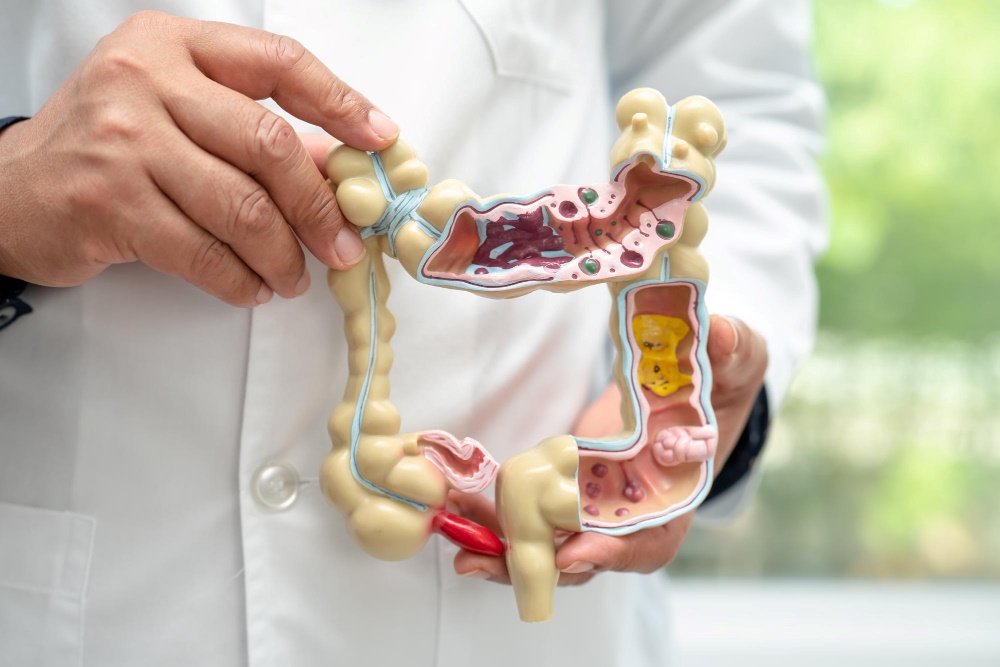
Colorectal polyps are, in general terms, protrusions that grow from the mucosa into the lumen as a result of abnormal development in the colon and rectum. As a result of this abnormal growth, and with the effect of fecal trauma, some clinical findings may occur such as ulceration, bleeding, intussusception, or obstruction. All of these clinical findings are of great importance. Polyps that occur in the body are most commonly found in the rectum and sigmoid colon. The most important characteristic of these protrusions is their histological structure. It should also be noted that they can occur anywhere in the gastrointestinal system. Unfortunately, these polyps also have the potential to become cancerous. We will address all the details about colorectal polyps. First, let’s review how many types of polyps there are.
What Are the Types of Polyps?
In general, polyps that occur in the body can be classified into four different categories:
Adenomatous Polyps
Adenomatous polyps are unfortunately quite dangerous because they have a high risk of becoming cancerous.
Hyperplastic Polyps
Hyperplastic polyps are benign, and therefore they do not carry a risk of becoming cancerous. Thus, they are not considered very dangerous.
Pseudopolyps
These types of polyps also do not have a risk of malignancy. They are frequently seen in chronic diseases related to the intestines.
Hamartomas
These are polyps that occur in cases such as juvenile polyps or Peutz-Jeghers syndrome.
Are Colorectal Polyps a Precursor to Cancer?
Although most colon polyps do not turn into cancer, colon cancers often begin with a polyp.
For this reason, individuals over the age of 50 should definitely undergo a colonoscopy.
Where Are Colorectal Polyps Most Commonly Seen?

As mentioned earlier, colorectal polyps can be found anywhere in the large intestine. According to research, the most common locations and their prevalence rates are:
- Rectum (50%)
- Sigmoid colon (20%)
- Cecum (15%)
- Transverse colon (10%)
Which Diseases Can Polyps Indicate?
One of the frequently asked questions after diagnosis is whether polyps indicate another disease. Although this is not the case for every patient, in some individuals polyps may be a sign of genetically inherited conditions. These include:
- Familial Adenomatous Polyposis (FAP)
- Turcot Syndrome
- Gardner Syndrome
- Peutz-Jeghers Syndrome
What Are the Symptoms of Colorectal Polyps?
Before discussing symptoms, it is useful to briefly explain the structure of the large intestine. The large intestine consists of two main parts: the colon and the rectum. The colon is approximately 1 meter long, while the rectum is about 15 cm in length. Colorectal polyps, also known as colon polyps, usually do not present any symptoms. Due to the low likelihood of symptoms, early diagnosis is often difficult.
However, in some patients, certain symptoms may occur. The most common symptom is bleeding, typically occurring in the rectal area. Although the bleeding is usually not severe, prolonged bleeding may lead to anemia over time. In other words, anemia is not directly caused by polyps but by the bleeding they may cause.
Intestinal obstruction is another possible symptom. Patients may also experience diarrhea or constipation. A decrease in stool thickness is another sign, often making the stool as thin as a pencil. When such symptoms occur, it is very important to take them seriously and consult a doctor as soon as possible for early diagnosis. Even slight spotting or leakage of blood from the anus should not be ignored, as rectal bleeding is not considered normal and requires medical evaluation.
How Is Colorectal Polyp Diagnosed?

As expected, various examinations and tests are required to diagnose colorectal polyps. These procedures are generally not very difficult, so patients can consult a doctor without concern. The following are some of the diagnostic methods:
Fecal Occult Blood Test
This test is very important in diagnosing colorectal polyps. When polyps exceed 10 mm in diameter, the test often yields a positive result. Studies show that the positivity rate of this test ranges between 20% and 40% in such cases. However, a positive result does not necessarily indicate the presence of polyps, as other gastrointestinal conditions that cause bleeding may also lead to a positive result. Therefore, additional tests are required for a definitive diagnosis.
Sigmoidoscopy
Sigmoidoscopy involves examining the lower part of the large intestine using an endoscope inserted through the anus. This method helps detect abnormalities and protrusions in the rectum and the distal colon. It does not require extensive bowel preparation, usually only an enema before the procedure. However, it does not allow visualization of the entire colon.
Colonoscopy
Colonoscopy is one of the most effective methods for detecting polyps. It also allows for biopsy and removal of polyps during the procedure. It has a success rate of approximately 90% in detecting polyps larger than a certain size.
How Are Colorectal Polyps Treated?
There are two main treatment methods: colonic resection and polypectomy. The choice of method depends on various factors and should be determined by a physician.
Polypectomy
In this method, polyps are completely removed during a colonoscopy. Both pedunculated (with a stalk) and sessile (without a stalk) polyps can be removed this way.
Colonic Resection
In cases of genetic conditions such as adenomatous polyposis, multiple polyps may develop in the intestines. In such cases, surgical removal of part or all of the colon may be necessary. This method is also used for patients with high-grade dysplasia or dysplasia-associated lesions. It may also be preferred when polyps cannot be removed via colonoscopy.
Symptoms of Colon Polyps
Colon polyps usually do not cause symptoms and are often detected incidentally.
Rectal bleeding: Bleeding generally does not occur unless the polyps are large.
Pain: Pain is uncommon unless the polyp grows large enough to cause intestinal obstruction.
Change in stool color: Rare bleeding may turn the stool black due to the presence of digested blood (melena).
Changes in bowel habits: Alternating diarrhea and constipation may occur.
Can Colon Polyps Be Prevented?
They are often thought to be mostly genetic.
However, some preventive measures can still be taken:
Consume plenty of fruits, vegetables, and whole grains.
Reduce alcohol and smoking.
Increase physical activity.
Some studies suggest that low-dose aspirin may reduce polyps.
Certain researchers also indicate that calcium-rich foods (milk, cheese, broccoli) may help decrease polyp formation.
