









 TR
TR  EN
EN  AR
AR 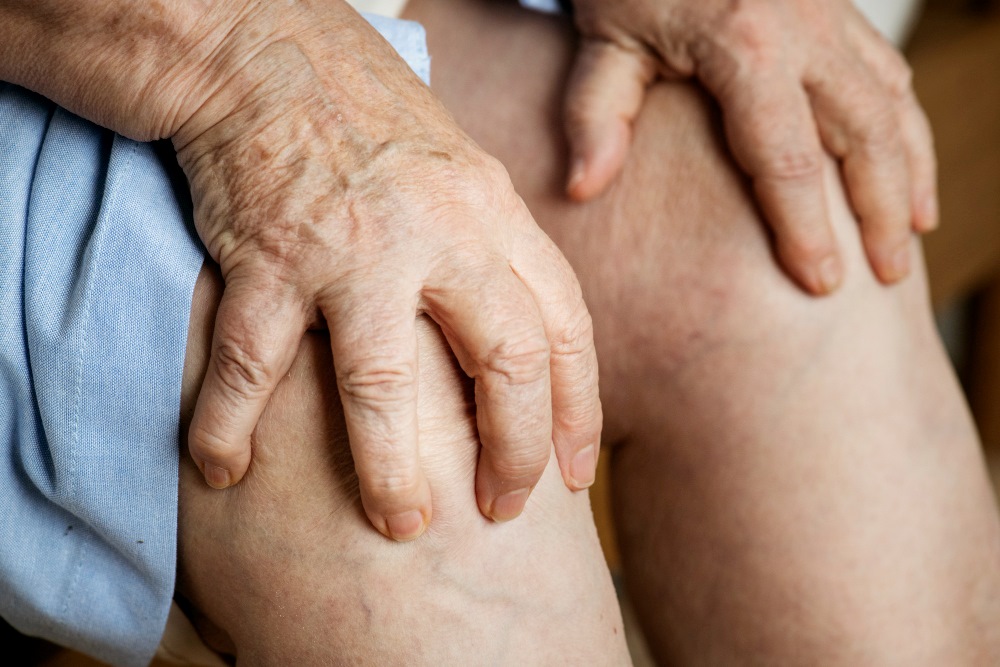
Edema is swelling in the body caused by the accumulation of fluid in tissues. It is commonly observed in the hands, arms, feet, legs, face, and abdominal area. The body’s tissues are made up of cells, blood vessels, and connective tissues called the interstitium. Most of the body fluids outside the cells are normally stored in two spaces: blood vessels (as the fluid part of blood, or serum) and interstitial spaces. In various diseases, excess fluid can accumulate in one or both of these compartments.
Edema in the legs and feet (pitting or peripheral edema) is the most common form. Other types of edema are named according to the affected body area.
In daily life, the most frequently encountered form is pitting edema. When pressure is applied to the swollen area with a finger, a depression forms. If this indentation remains for a while after the pressure is released, it is called “pitting edema.” Even pressure from socks can cause this type of indentation. Mild cases can be normal, as many people may experience slight pitting edema at the end of the day after wearing socks.
What Causes Edema?
Mild edema commonly occurs due to:
- Hormonal changes during pregnancy
- Menstrual periods in women
- Reduced blood circulation due to inactivity
- Long travel periods
- Excess weight gain
- Hot weather and seasonal changes
- Use of certain medications (such as corticosteroids)
- Insufficient water intake
- Excess salt consumption
- Inadequate protein and fiber intake
Edema can also result from more serious conditions:
- Kidney failure – typically in the legs and around the eyes
- Liver diseases such as cirrhosis – around the abdomen
- Arthritis – in joint areas
- Heart diseases – in the ankles and legs
- Allergies – around the eyes and lips
Foods That Cause Edema

Diet plays an important role in preventing or reducing edema. Some foods may contribute to fluid retention, including:
- Store-bought sauces
- Processed foods
- High-carbohydrate foods
- Pickled foods high in salt
- Excess caffeine intake
- Brined olives and similar foods
- Low-fat or fat-free yogurt
- Vegetables containing raffinose such as Brussels sprouts, broccoli, and cauliflower
- Beans with indigestible fiber in their outer skin
- Onions containing fructans
- Watermelon (also a fructan source)
- Artificial sweeteners
- Grains like wheat and rye containing fructans
People frequently experiencing edema should avoid these foods and instead focus on foods that help reduce edema, possibly with guidance from a dietitian.
Examples of anti-edema foods include magnesium-rich foods like dark chocolate, nuts, whole grains, and leafy greens; potassium-rich foods like bananas, avocados, and tomatoes; vitamin B6 sources like meat and walnuts; and diuretic foods like dandelion.
How Is Edema Treated?

The first step in treating edema is identifying the underlying cause. If a medical condition is present, consult a doctor.
Achieving an ideal body weight is important, but rapid weight loss is not recommended. As body weight increases, the likelihood of edema also rises.
Hot weather causes blood vessels to dilate, allowing fluid to move into tissues more easily. Therefore, avoid very hot environments and prefer lukewarm showers.
Avoid prolonged standing or sitting and increase physical activity. Exercise improves circulation and helps reduce edema.
Drink at least 2.5–3 liters of water daily.
Reduce consumption of processed foods high in salt and increase intake of fresh fruits and vegetables.
Limit daily salt intake to no more than 5–6 grams. Use spices instead of salt to enhance flavor.
Increase fiber intake by consuming leafy greens, whole fruits with skin, whole grain bread, and oats.
Tea and coffee have diuretic effects and may lead to fluid loss, so limit intake to 4–5 cups per day.
Alcohol is a common cause of edema, so it should be limited.
11 Foods That Help Reduce Edema

- 1. Cherry stems
- 2. Pineapple
- 3. Green tea
- 4. Parsley
- 5. Rosemary
- 6. Kefir
- 7. Water
- 8. Cucumber
- 9. Radish
- 10. Oats
- 11. Blueberries
Green Detox Water Recipe for Reducing Edema
- Ingredients:
- 2 liters of water
- 2 thin slices of lime or lemon juice
- 3 sprigs of parsley
- ½ green apple
Preparation:
Place the parsley, sliced green apple, and lime into a pitcher. Add 2 liters of water. Optionally, you can include 2 tablespoons of lemon juice.
