









 TR
TR  EN
EN  AR
AR 
Hernia can be defined as the protrusion of tissue or organs through a natural opening or weak spot in the muscles. Known medically as “hernia,” it can occur in many parts of the body and is one of the most common health problems worldwide. It can significantly affect daily life by causing pain and limiting mobility, often negatively impacting work life as well. We will also address how hernia is treated and what happens if it is left untreated. First, let’s look at the causes of hernia.
What Causes a Hernia?
A hernia does not occur due to a single cause. Many different factors can contribute to its development. The most common causes include:
- Standing for long periods
- Lifting heavy objects
- Physically demanding work
- Surgical incisions
- Chronic cough
- Pregnancy
- Straining due to chronic constipation
- Fluid accumulation in the abdomen
- Rapid weight gain
Types of Hernia

The most common types of hernia are:
- Inguinal hernia
- Femoral hernia
- Umbilical hernia
- Incisional hernia
- Epigastric hernia
- Hiatal hernia (part of the stomach moves into the esophagus)
- Spinal hernias such as lumbar or cervical hernia
How Is a Hernia Treated?
Treatment depends on the location of the hernia. While surgery is often considered the main treatment, non-surgical options such as exercise, physical therapy, and medication may also be effective in some cases. If these methods do not provide improvement, surgery may be required. In certain cases, depending on severity and location, surgery may be recommended immediately.
How Is Hernia Surgery Performed?
Hernia surgery can generally be performed using two techniques: open surgery and laparoscopic (closed) surgery. Laparoscopic methods are often preferred when suitable, as they allow for faster recovery. In open surgery, an incision of 4–7 cm is made to access and repair the hernia, sometimes with the placement of a mesh. In laparoscopic surgery, only three small incisions are made, and the procedure is performed with the assistance of a camera.
All hernia surgeries are performed under general anesthesia, so the patient does not feel pain during the procedure. The duration of the surgery varies depending on the type and location of the hernia. Most patients are discharged within one day but are advised to rest and avoid strenuous activities for several days.
How Does an Inguinal Hernia Heal?

Inguinal hernia is one of the most common types and may occur on one or both sides of the groin. It usually develops due to increased intra-abdominal pressure. The area known as the internal ring is structurally weaker, making it more prone to hernia formation. Causes include:
- Chronic constipation
- Heavy lifting
- Straining
- Prostate enlargement in men
- Asthma
- Chronic cough
- Increased abdominal pressure
- Being overweight
Surgical intervention is usually required for inguinal hernia, especially in advanced cases.
Can a Hernia Recur?
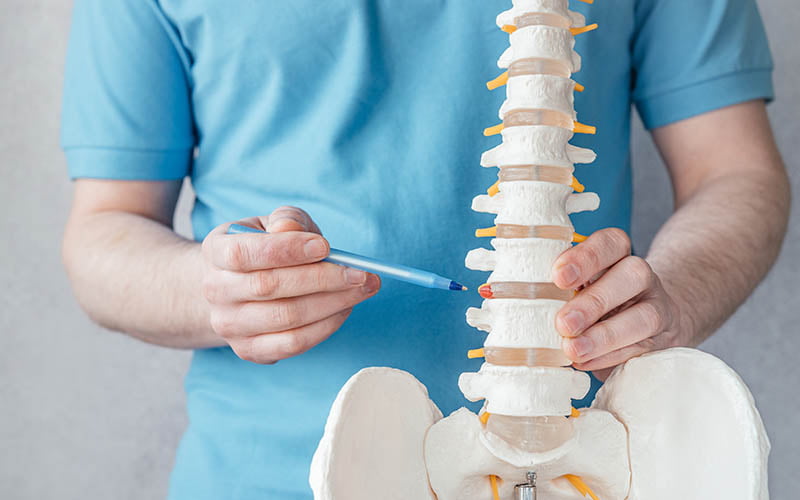
Hernias can recur. Even after treatment with surgery or physical therapy, there is still a possibility of recurrence. The risk of recurrence in the same area after surgery is relatively low, but a hernia may develop in a different location.
What Happens If a Hernia Is Not Treated?
If left untreated, a hernia may enlarge and cause increasing pain. It can also affect physical appearance and lead to serious health complications. In inguinal hernias, enlargement over time is common. There is also a risk of complications such as strangulation and intestinal obstruction.
Ignoring treatment and simply limiting movement due to pain can lead to more severe problems. Therefore, seeking timely medical treatment is essential to prevent serious complications.
