









 TR
TR  EN
EN  AR
AR 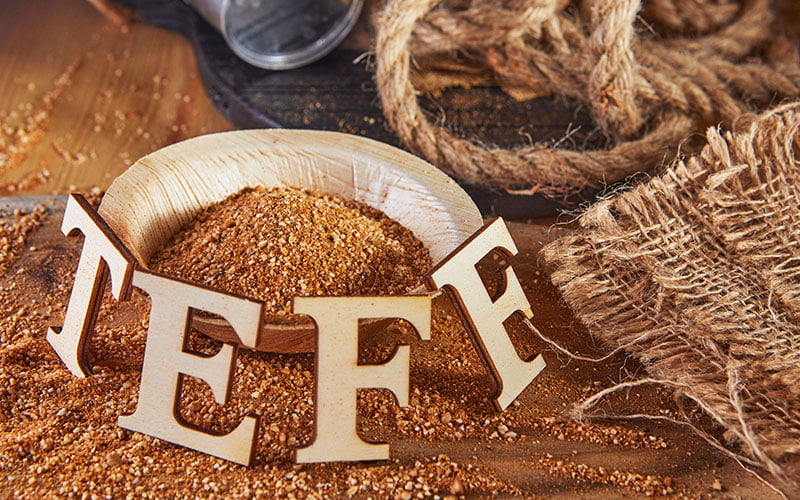
Every passing day, we hear the names of new foods and products in the health sector. While some of these are foods that have actually always existed but whose benefits were discovered later, some are just beginning to enter our lives.
Teff, whose name millions of people in our country haven’t even heard yet, is among the grains whose popularity has been gradually increasing all over the world in recent years. Seen from the outside as a simple type of grain, teff has many unknown benefits.
Teff, called taf or khakshir abroad, is a plant originally grown in Northern Ethiopia. This plant, which can be planted only once a year and is therefore quite valuable, is also known as a sweet type of food with tiny grains. Teff, which gives a feeling of softness to the hand when touched, is produced in 3 different varieties: red, brown, and white.
According to research, the taste of this food, which holds the title of being the smallest grain known in the world, varies according to its type. For example, while the taste of white teff almost resembles a chestnut, red teff, which is one of the richest sources in terms of iron, tastes more like hazelnuts.
Teff, which incorporates many contents beneficial to human health, is mostly produced in the mountainous regions of Ethiopia in the world, but it is also planted outside this country in the United States, Egypt, Canada, and Australia.
How to Use Teff?
There are many different ways to use teff, which can be obtained as both flour and seeds. Consuming it by making bread from teff flour is among the most frequently resorted methods. Apart from this, cooking meals using its seed form or adding it to salads can be given as a different consumption suggestion.
You can start your morning breakfasts with crepes made from teff flour.
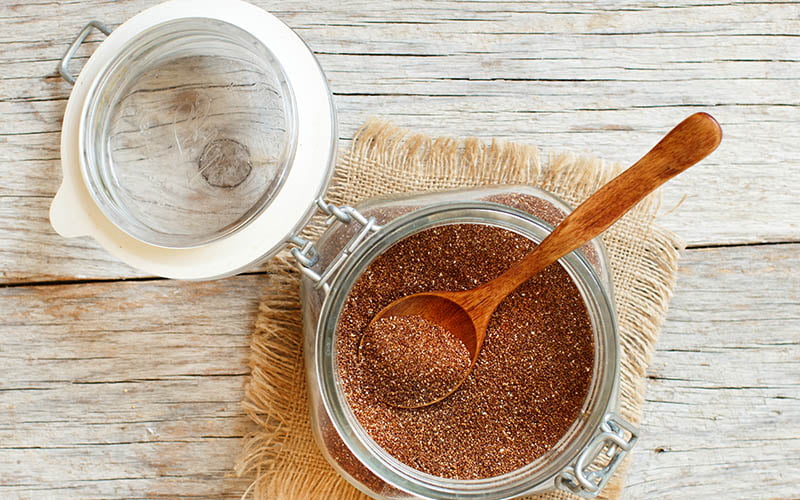
You can especially use teff flour in sweet breads. The flour produced by grinding teff seeds is just as beneficial as the plant itself. Since it is gluten-free and has a very rich content in terms of protein and amino acids, it has become more preferred than other flours in recent years.
What are the Benefits of Teff?
Teff, which has many beneficial effects on the body like quinoa, is a food with a very high iron and fiber ratio. Known as a calcium and protein center, teff can be specified as an ideal food especially for vegetarians who stay away from the consumption of meat and dairy products with these features.
This type of grain, which is also very good for hair in addition to bone and tooth development with the abundant amount of calcium it contains, can be preferred as a preventative in osteoporosis problems with its calcium percentage. If people struggling with anemia disease consume teff daily, they can notice that the symptoms of these problems decrease after a short time.
In addition to all these, teff is one of the biggest diet friends with its contribution to fat burning by accelerating the metabolism. It regulates blood sugar, protects against cancer, and since it is gluten-free, it is an ideal food for celiac patients.
If we summarize the benefits of teff seeds and flour as follows;
It contains calcium, phosphorus, iron, magnesium, thiamine, vitamin C, and protein. Thanks to these vitamins and minerals, it is healthier than many other types of flour.
It regulates the digestive system, ensures healthier functioning of the intestines and metabolism.
It balances blood sugar. Thanks to this feature, it helps to lose weight, which made its name heard. The teff plant, which regulates blood sugar, gives a feeling of satiety, enabling less food to be eaten.
Since it accelerates fat burning, it also helps to lose weight with this feature.
Since it contains low sodium, it is a grain that blood pressure patients can use.
Since some vegetarians do not consume animal foods such as milk and yogurt, teff is an ideal plant for them too. Thanks to breads made with teff flour, they can meet the protein the body needs.
What are the Effects of Teff on Heart Health?
Teff grain has been shown to be very beneficial for heart health. Thanks to its low sodium content, it ensures that the arteries in the body do not get clogged too much.
Several studies have shown that this grain effectively reduces blood pressure. This can reduce your chances of having a heart attack or stroke and reduce the overall strain on your cardiovascular system.
Is It a Good Alternative for Celiacs?
Many people suffer from Celiac disease. Finding alternative options to gluten-containing foods is very important for them.
Celiac disease (gluten sensitivity) can be quite painful and dangerous for people who have this disease. This is why gluten-free foods like teff provide healthy, delicious options for people avoiding gluten, not even counting the abundance of nutrients in it.
Should Teff Flakes Be Consumed in Anemia?

When talking about minerals, unusually, the highest mineral content in this grain is iron. In fact, teff is recommended to patients with anemia.
Iron is a key element for red blood cells, and when there is an iron deficiency in the body, weakness, dizziness, cognitive impairment, muscle cramps, and headaches can frequently be seen (and these are symptoms of anemia).
If you want to increase your blood circulation and increase the oxygen going to the important organs of your body, add some teff or injera bread (sourdough flatbread) to your diet as soon as possible!
What are the Effects of Teff on the Digestive System?
Teff grains have been used for thousands of years as a laxative or at least as a tool to speed up the digestive process. This is because teff is highly rich in fiber.
Having plenty of fiber means that stool can bulk up, peristaltic movement (the passage of food through the intestine) increases, and the regularity and quality of your bowel movements increase.
Dietary fiber can also relieve constipation, bloating, cramping, and more serious gastrointestinal problems. Besides these, it can balance cholesterol levels in the body by eliminating excessively increasing omega-6 fatty acids.
What is the Caloric Value of Teff Flakes?

1 cup of teff seeds contains:
- 252 kcal
- 50g carbohydrates
- 10g protein
- 6g fat
- 7g fiber
- 123mg calcium
- 5mg copper
- 17mg iron
- 20mg sodium
- 2 mg manganese
Healthy Salad Recipe with Teff Flakes
Teff Salad Recipe and Ingredients
- 2 cups of boiled teff
- 1 cup of baby spinach
- 1 medium iceberg lettuce
- 3-4 finely chopped green onions
- 1/4 medium pomegranate or 1/2 apple
- 1/4 lemon juice
- 1 teaspoon of balsamic vinegar
- 1 tablespoon of grated lemon zest
- 2 tablespoons of extra virgin olive oil
- Salt
After chopping the ingredients, add the warm teff and mix with the spices.
